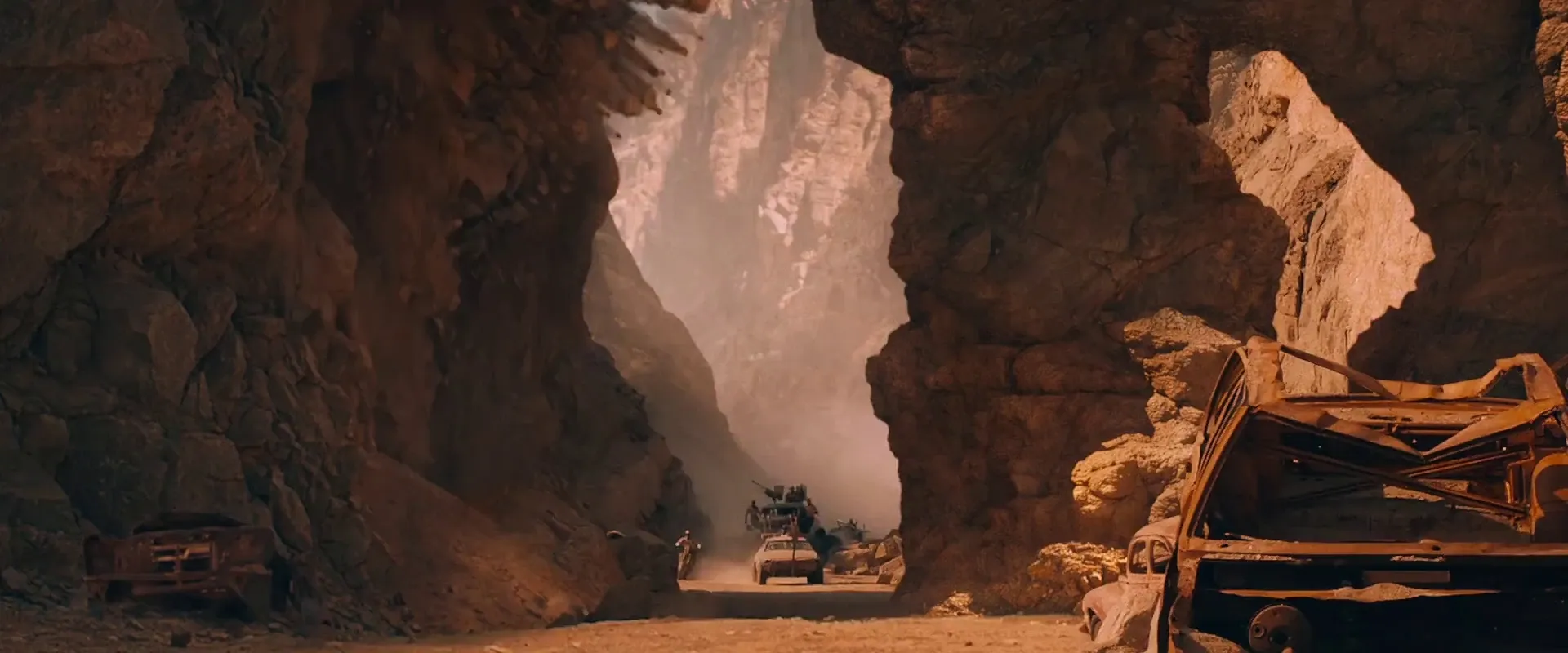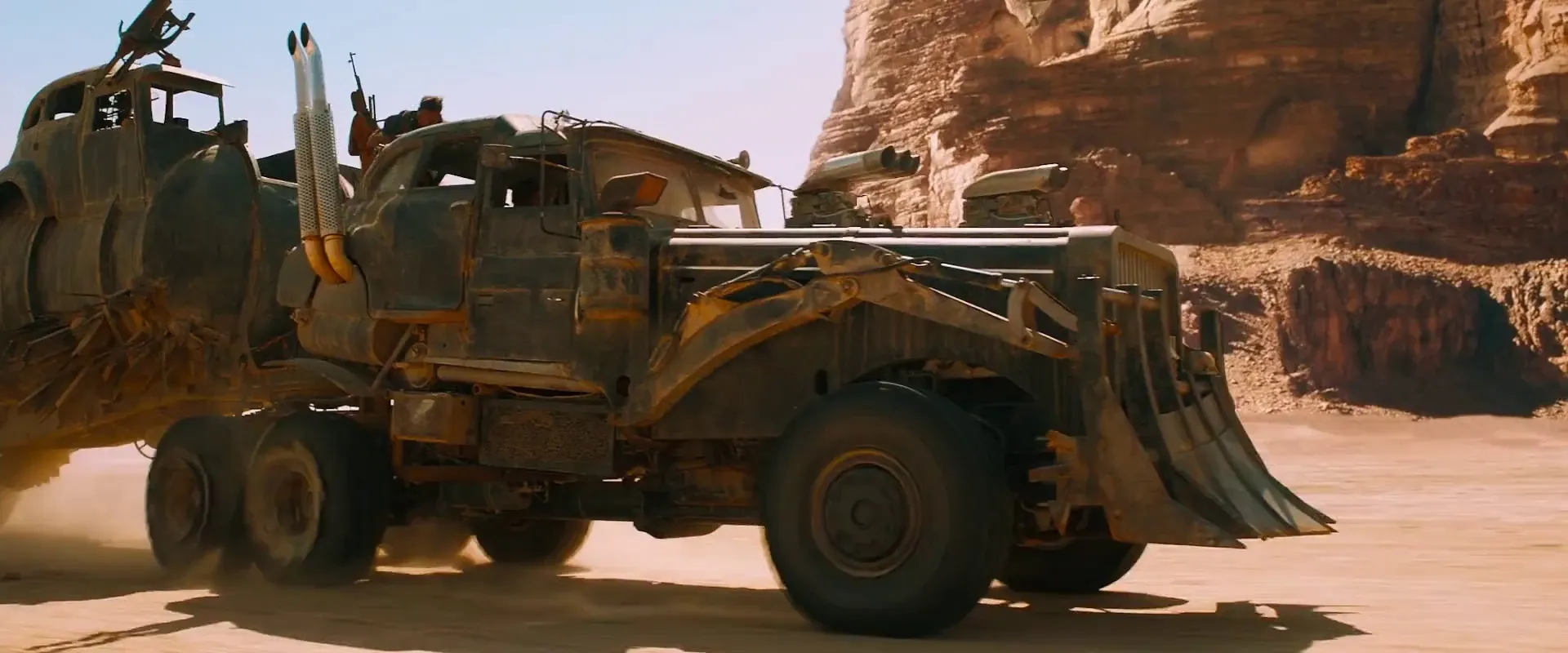
Mad Max: Fury Road — Center-Framing Chaos You Can Actually Follow
George Miller gave his operators one rule — put the important thing dead center and never let it move. It's why the chaos never loses you.
Long-form writing on cinematography, lighting, lensing and visual storytelling — the techniques, the people and the films behind the frames.

George Miller gave his operators one rule — put the important thing dead center and never let it move. It's why the chaos never loses you.

Four tools, judged on the one thing most roundups skip: whether the board actually stays tied to the shot you'll shoot.

Two stops down, cold and blue, sky kept out of frame — how filmmakers fake midnight at noon, from Truffaut to Fury Road.

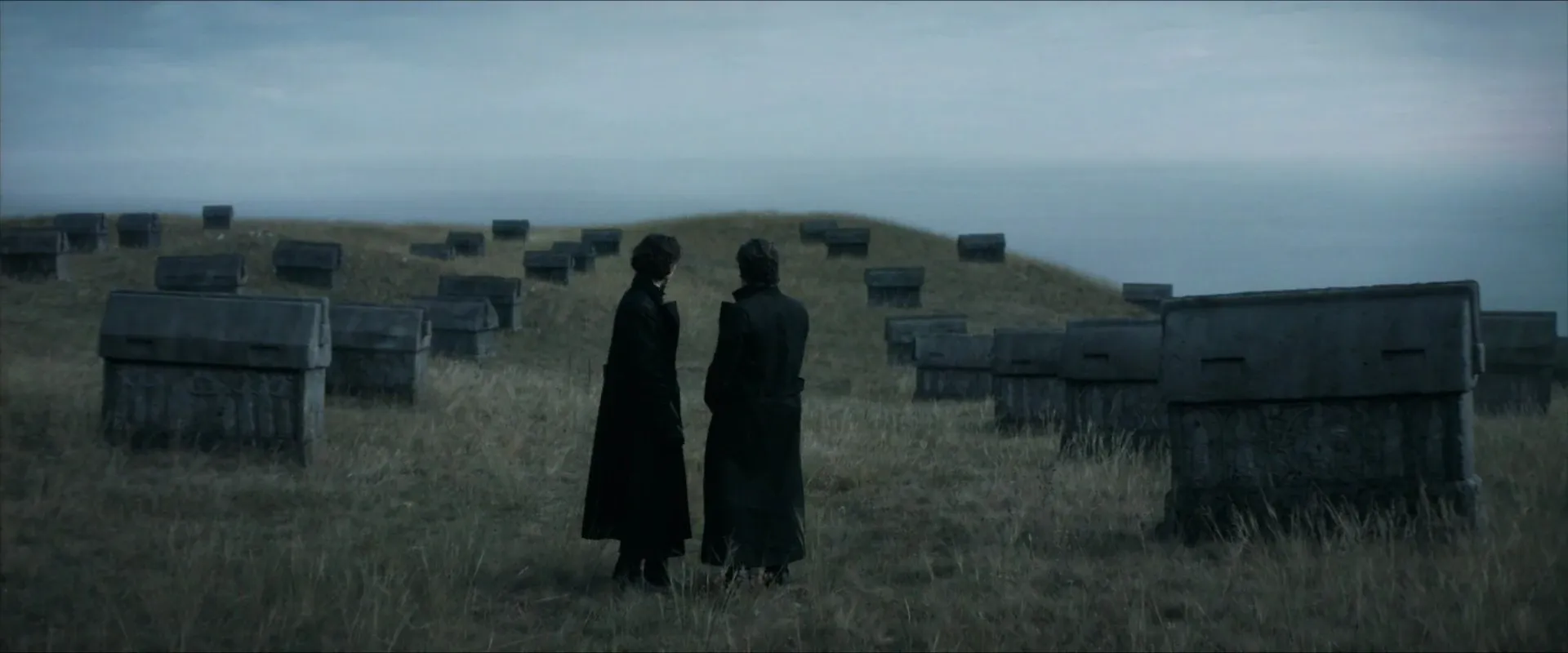
The DP behind Dune and The Batman builds frames the size of a planet, and never once loses the actor inside them.

A light meter reads his frames as a mistake. Look closer and it's the most deliberate call on the set.

Four films, one obsession: control. Here's how Fincher turns restraint into dread.

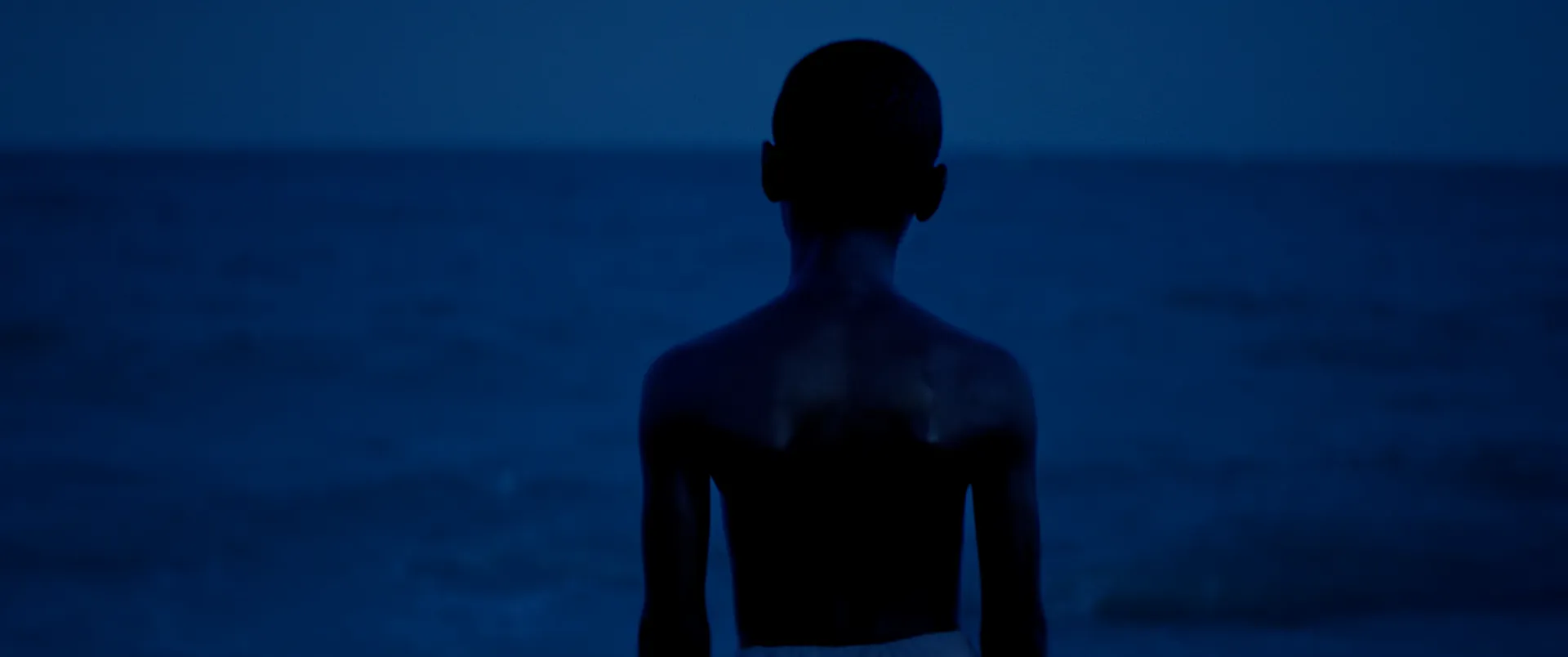
Barry Jenkins called it a fever dream. The color science underneath used three different film stocks to tell one boy's story as he grew.

It's one page. The mistakes that hide on it — the blank box, the stale revision — are the ones that cost you a whole shoot day.

A 1950s format Paramount abandoned, one 50-year-old camera, and 34 shooting days — how Brady Corbet and Lol Crawley built scale without a blockbuster budget.

El Mariachi cost about $7,000 and still looked like a movie. The trick was never spending less — it was writing the script and the budget in the same breath.