What Goes on a Film Call Sheet (and What Quietly Ruins One)
It's one page. The mistakes that hide on it — the blank box, the stale revision — are the ones that cost you a whole shoot day.

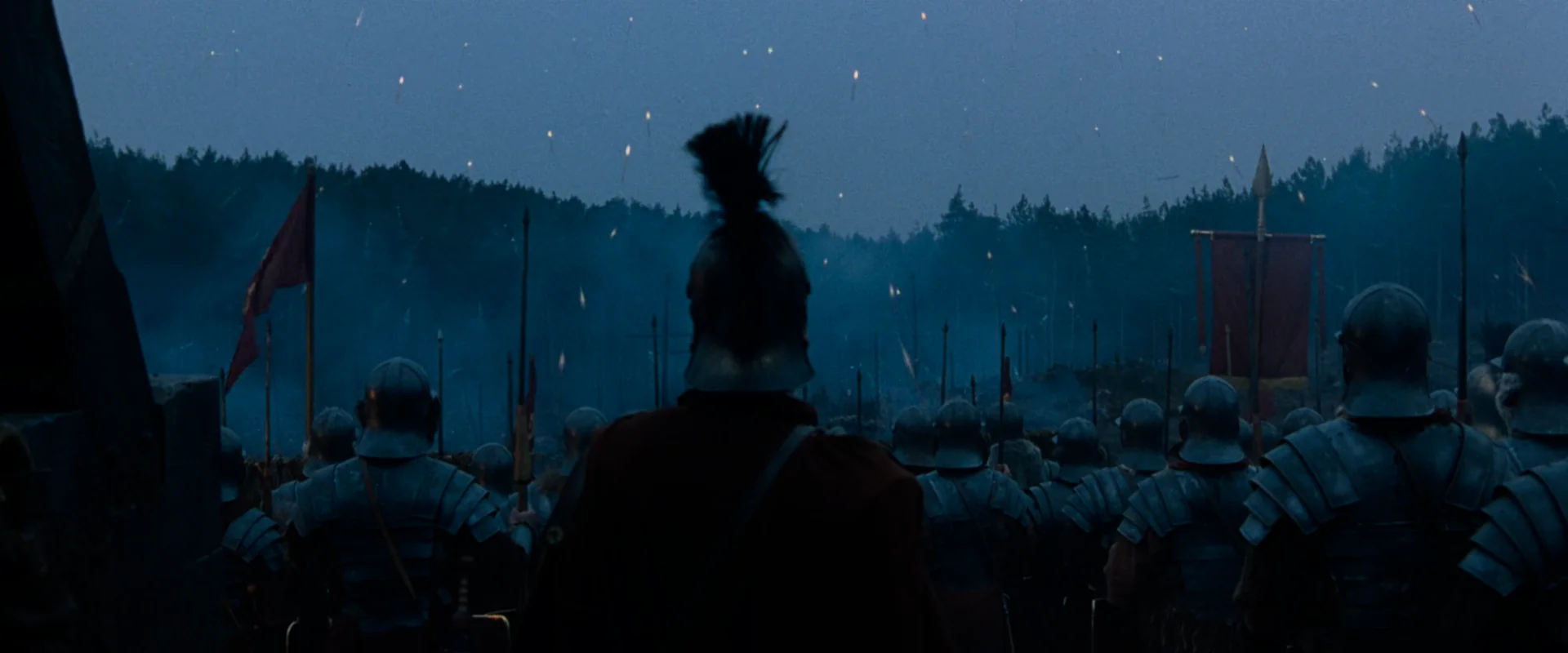
Six in the morning, a field an hour outside the city, forty people crowding a catering table. The first questions the 1st AD fields aren't about the work — they're "where's the bathroom" and "which gate do I drive through." Neither answer is on the sheet. That's fifteen minutes gone before the first setup, and it's exactly the kind of small gap that compounds all day.
A film call sheet is the one-page document sent the night before a shoot day that tells every cast and crew member where to be, when to arrive, and what's being shot. What goes on a film call sheet breaks into four blocks: the top-line logistics, the day's shooting schedule, the cast and background, and the department notes. Get all four right and the day mostly runs itself. Leave the wrong box blank and you'll feel it by lunch.
The top block: the day's coordinates
The header carries the identity of the day. Production title, the date, and which shoot day this is out of the total — "Day 8 of 24" tells a tired crew exactly where they are in the run. Then the two call times that matter most: general crew call (when everyone is on set, ready) and shooting call (when the camera actually rolls).
Below that, locations. Number them if there's more than one, and never assume the set address and the parking or basecamp address are the same — they usually aren't. Spell out the drive between them. The people reading this at 5 a.m. in the dark are trusting the sheet, not their sense of direction.
The schedule: what you're shooting, and by when
The middle of the sheet is the day's work, in the order it'll be shot. Each line gets a scene number, a one-line description, the set, the cast in it, whether it's Day or Night, interior or exterior, and the approximate page count. Somewhere in there is the meal break — and that's not a courtesy note. Union rules generally require a full meal within six hours of crew call, and blowing past that line costs the production real money in penalties.
For anything exterior, the schedule lives and dies by light. Sunrise and last light are the true boundaries of the day, and a plan that ignores the sunset time on the sheet will lose its final setup to the dark — no matter how good the intentions were at call.
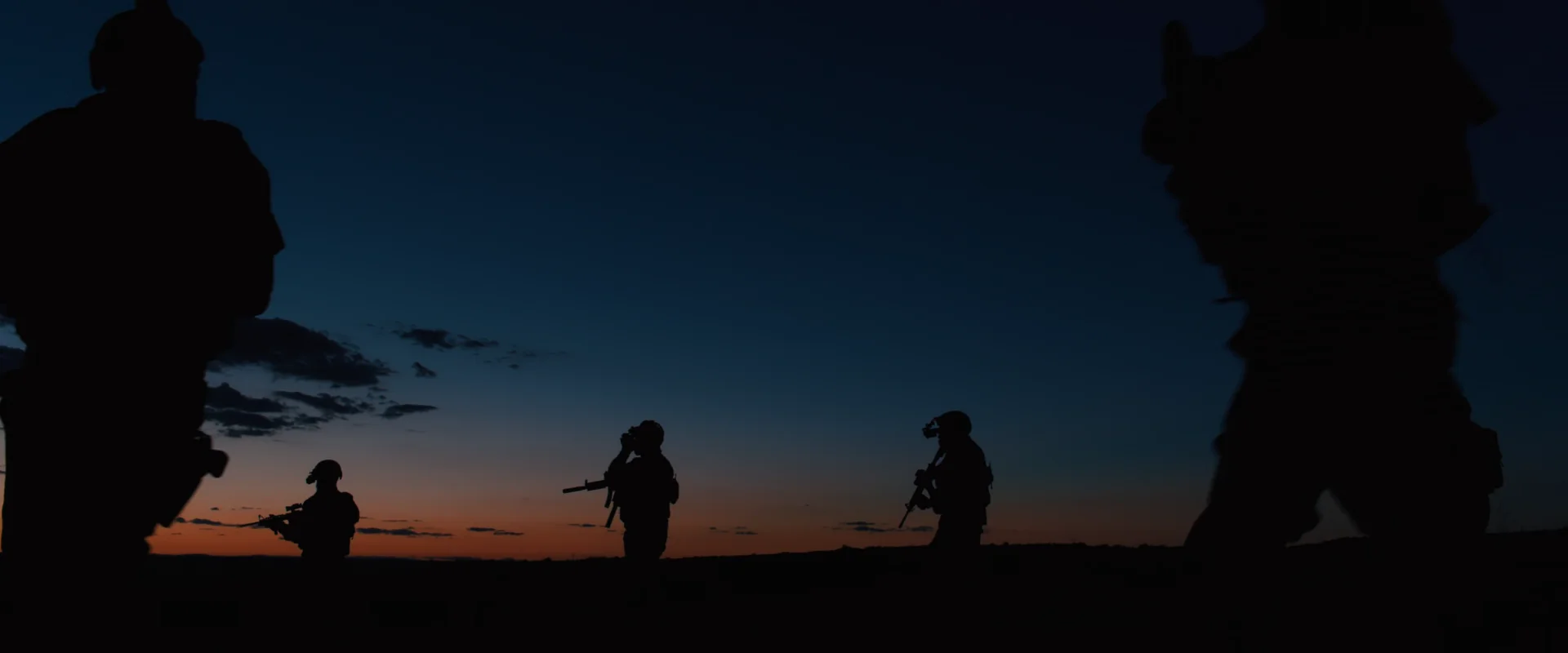
Deakins shot the border-crossing sequence in Sicario right at that hinge, the crew walking down a hilltop into blackness as the sky went. That look is deliberate on screen and merciless on a schedule: you get one window, and the call sheet is where you either protected it or didn't. This is why the schedule is only as strong as the shot list feeding it — the sheet inherits every ambiguity the list still carries.
The people: call times, status, and headcount
Under the schedule sits the cast. Each performer gets a number, their character, a status code, and a call time. The status column is shorthand for where they are in the shoot — SW (start work), W (work), WF (work finish), H (hold) — and it tells wardrobe, makeup, and accounting who's arriving, who's wrapping, and who's being paid to wait.
Background and stand-ins get their own line, usually just a headcount and a call time. That number isn't trivia: it tells catering how many mouths to feed, the ADs how many people to wrangle, and transport how many vans to send. An extras count that's off by ten is a lunch order that's off by ten.
The lines that quietly ruin a day
Here's the part nobody teaches you: a call sheet rarely fails on the big fields. It fails on the small ones that everyone assumes someone else handled.
Weather. The forecast, the high and low, and the wind belong on the sheet — and not as decoration. A crew that reads "rain after 2 p.m." at breakfast tents the gear and reorders the day. A crew that finds out at 2 p.m. loses the afternoon.
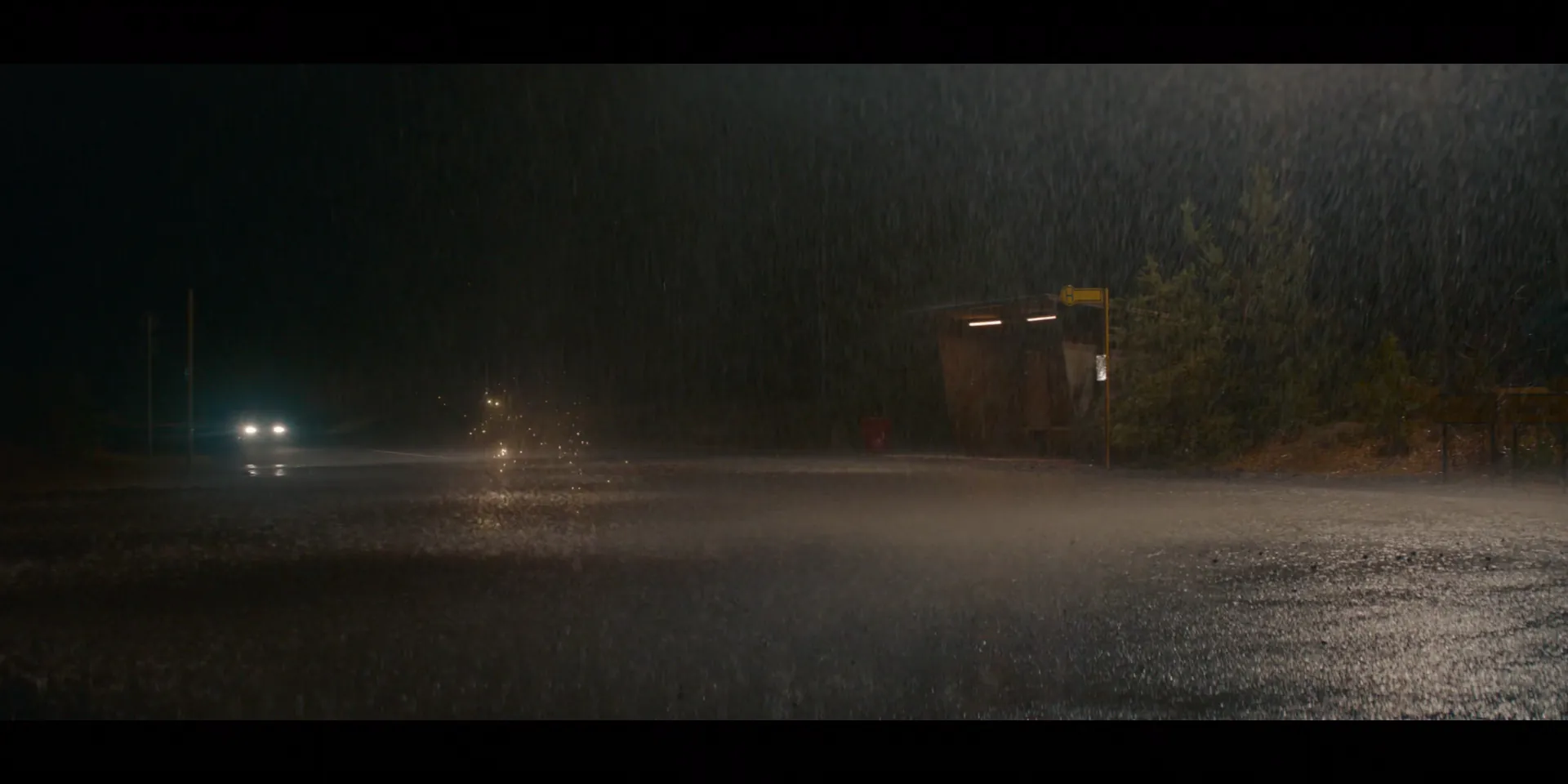
Nearest hospital. Name, address, and drive time to the closest emergency room. It's the field most often left blank on small productions and the one you least want to be improvising when it matters. It changes every time the location changes, so it can't be copied from yesterday's sheet without a second look.
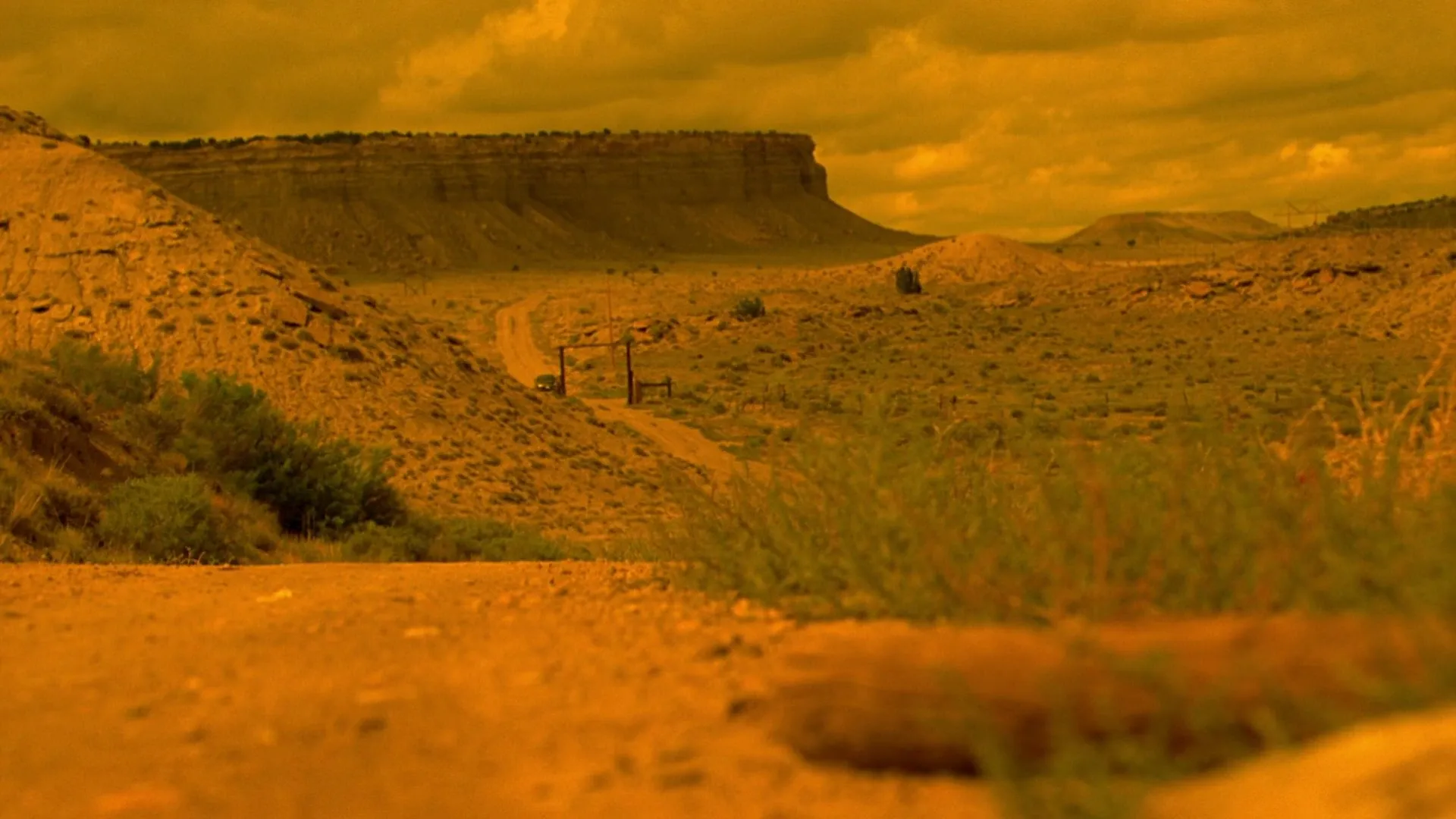
Shoot somewhere like that — out past cell range, an hour of dirt road from the highway — and the hospital line is the difference between a plan and a panic. Safety notes live in the same neighborhood: stunts, weapons, minors, animals, water, fire, working at height. Anything that changes how a moment is run gets flagged here, clearly, so the people standing next to the hazard see it coming.
The version nobody updated. The most dangerous call sheet is the one that's beautifully filled out and a revision behind. A location moves, a scene drops, a call time shifts — and half the crew is working from last night's PDF because the change never actually reached them. The document being correct and the document being received are two different problems, and only one of them is about formatting.
That last one is where a call sheet wired to the rest of your production earns its place. When the schedule changes, the sheet should change with it, and the same current version should land with everyone at once — pulled from the shot list and references your team already built, not retyped into a fresh document at midnight. Generate the call sheet from the plan instead of alongside it, and the version everyone's holding is the version that's true.
How did you like this article?
Login to react to this article
Discussion (0)
💬 No comments yet. Be the first to share your thoughts!