Shot List vs. Storyboard: What Each One Is Actually For
Shot list vs storyboard: what each pre-production document does, when you need one or both, and how top directors use them to plan a shoot.

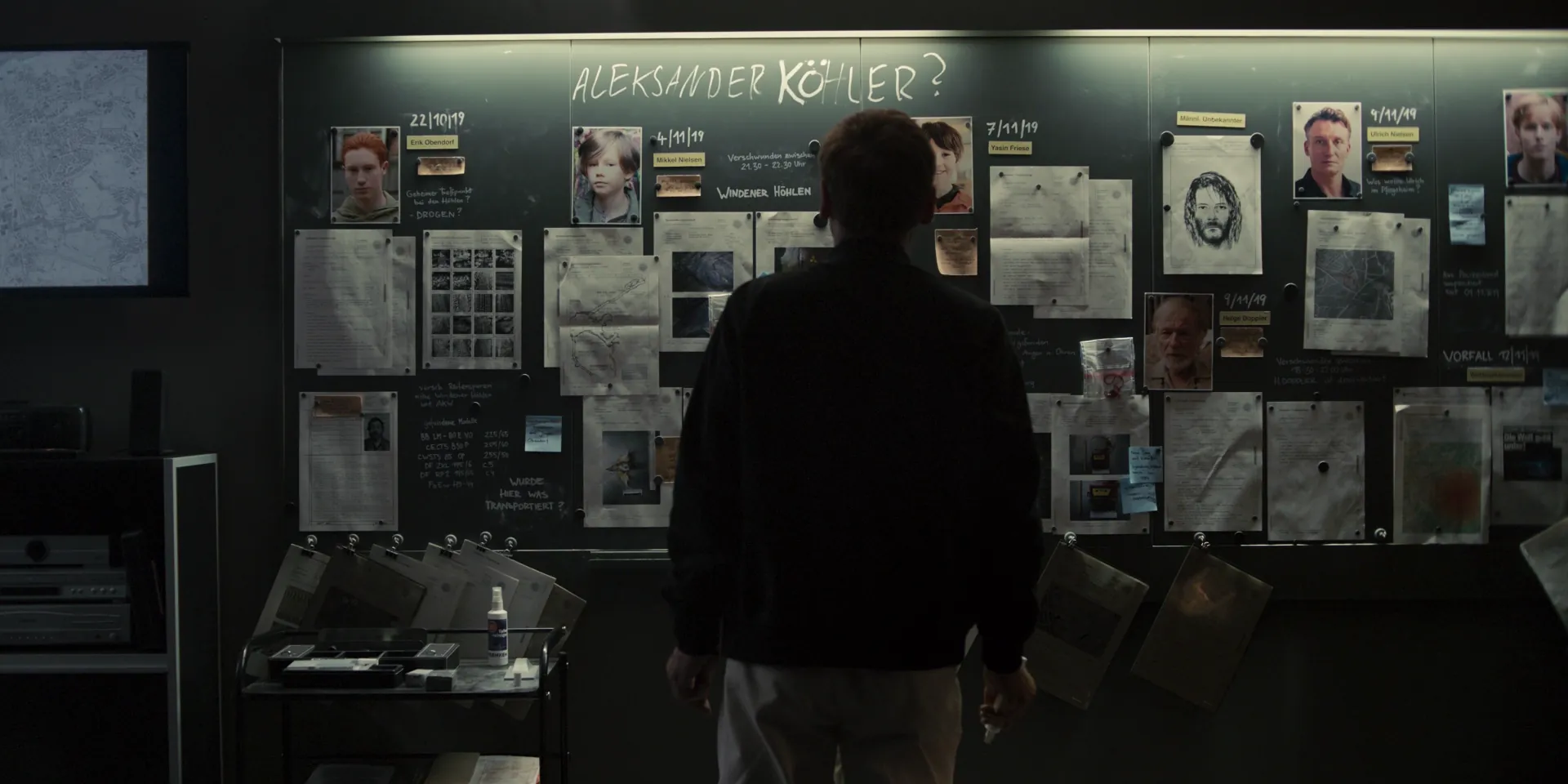
A director walks a location with a picture in their head. The DP sees the same room and starts counting setups, daylight, and how many company moves it'll take to get out by wrap. Two people, same scene, thinking in completely different languages. The shot list and the storyboard are how you get those two heads pointed at the same shoot.
Here's the short version of shot list vs. storyboard. A storyboard is a sequence of drawings that shows what each shot looks like: framing, blocking, camera position, movement. A shot list is a written breakdown of every shot you plan to capture, with the technical and logistical details a crew needs to actually get it: shot number, scene, shot size, lens, movement, location, and notes. The storyboard answers what will it look like. The shot list answers what are we shooting, in what order, and what does it need. Productions that plan well tend to use both, and they're not interchangeable.
What a shot list actually is
A shot list is the production's to-do list. Every row is one setup, and the columns are whatever your team needs to not forget anything on the day:
- Shot number and the scene it belongs to
- Shot size (WS, MS, CU) and angle
- Camera movement (locked-off, pan, dolly, handheld)
- Lens or focal length
- Location and a rough time estimate
- Notes: blocking, props, VFX flags, anything that changes the setup
The reason it matters isn't the director. It's everyone downstream. The 1st AD reads the shot list to count setups, estimate time per scene, and build the shooting schedule. The DP reads it to prep lenses and lighting. The script supervisor tracks coverage against it. A storyboard can't do any of that, because you can't schedule a drawing. This is the document that turns a creative plan into a day that finishes on time.
What a storyboard actually is
A storyboard is the film before the film: a sequence of frames that lets everyone see the movie before a single light goes up. Artistic quality is beside the point. A stick-figure board that clearly shows eyeline, frame edge, and where the camera sits does its job. The point is communication, getting the shot out of the director's head and onto something the DP, the AD, and the stunt coordinator can all point at.
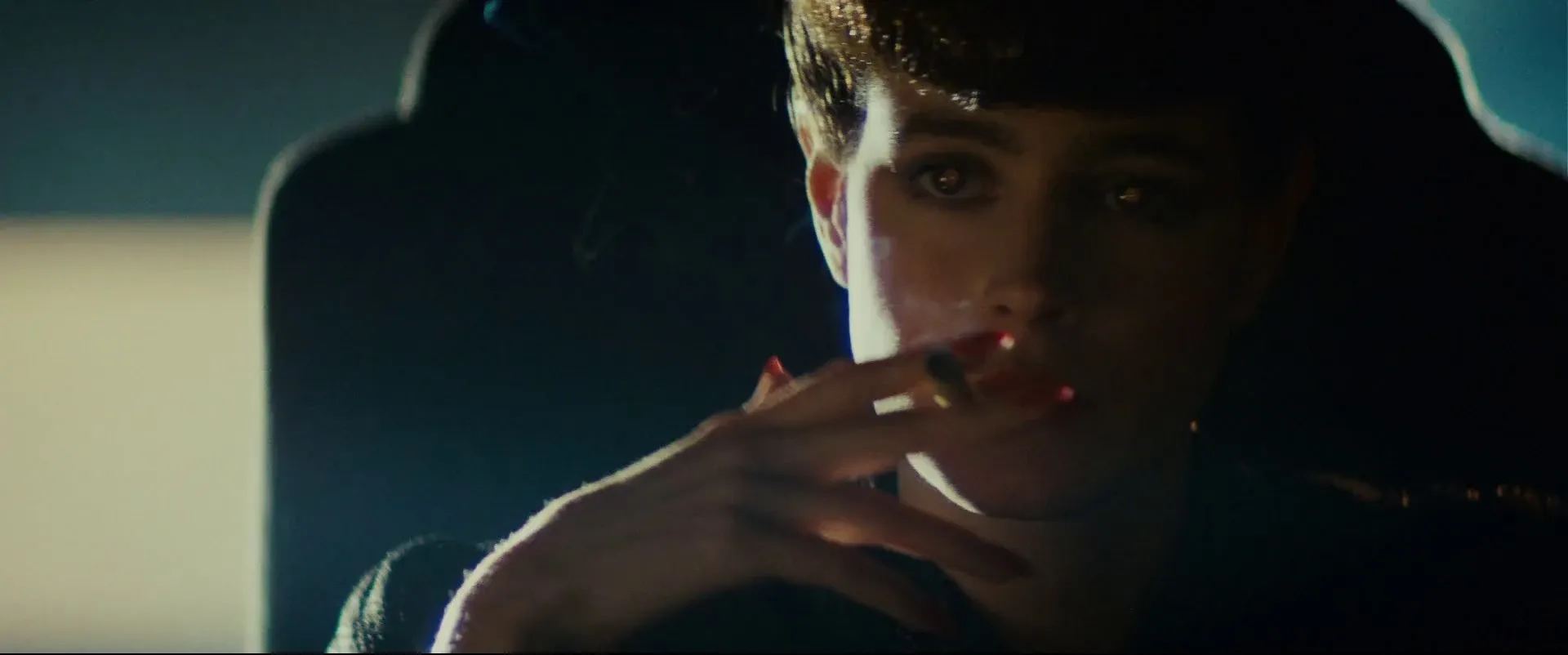
Some directors live in this space. Ridley Scott came up through art school and a decade of directing commercials, and he draws his own boards, the famously detailed sketches his collaborators nicknamed "Ridleygrams." His storyboards for Alien were so complete that they helped convince the studio to double the budget. When a director can hand you an image instead of a paragraph, the whole department stops guessing.
Shot list vs. storyboard: the real difference
Drawings versus columns is the obvious distinction, but the useful one is what each document is for:
- Vision vs. logistics. The storyboard protects the look. The shot list protects the schedule.
- Audience. The storyboard mostly speaks to the director, the DP, and anyone visualizing the scene. The shot list speaks to the AD, the crew, and the budget.
- Timeline. Boards usually come first, right out of the script, while you're still figuring out how the scene plays. The shot list firms up later, once you know what's actually feasible on your locations and days.
Think of the storyboard as the argument for why a scene is shot a certain way, and the shot list as the plan for how you'll physically pull it off.
Do you actually need both?
Not always. A three-page dialogue scene in one location rarely needs boards. A shot list covers it, and you'll block it on the day. But the moment a scene gets complicated, with stunts, VFX, a crowd, precise geography, anything where a mistake costs a reshoot, the storyboard earns its place.
The directors known for control tend to prove the point. Bong Joon-ho storyboards every shot of every film before he rolls; the boards for Parasite were later published as a 304-page graphic novel, and the finished film tracks them closely.

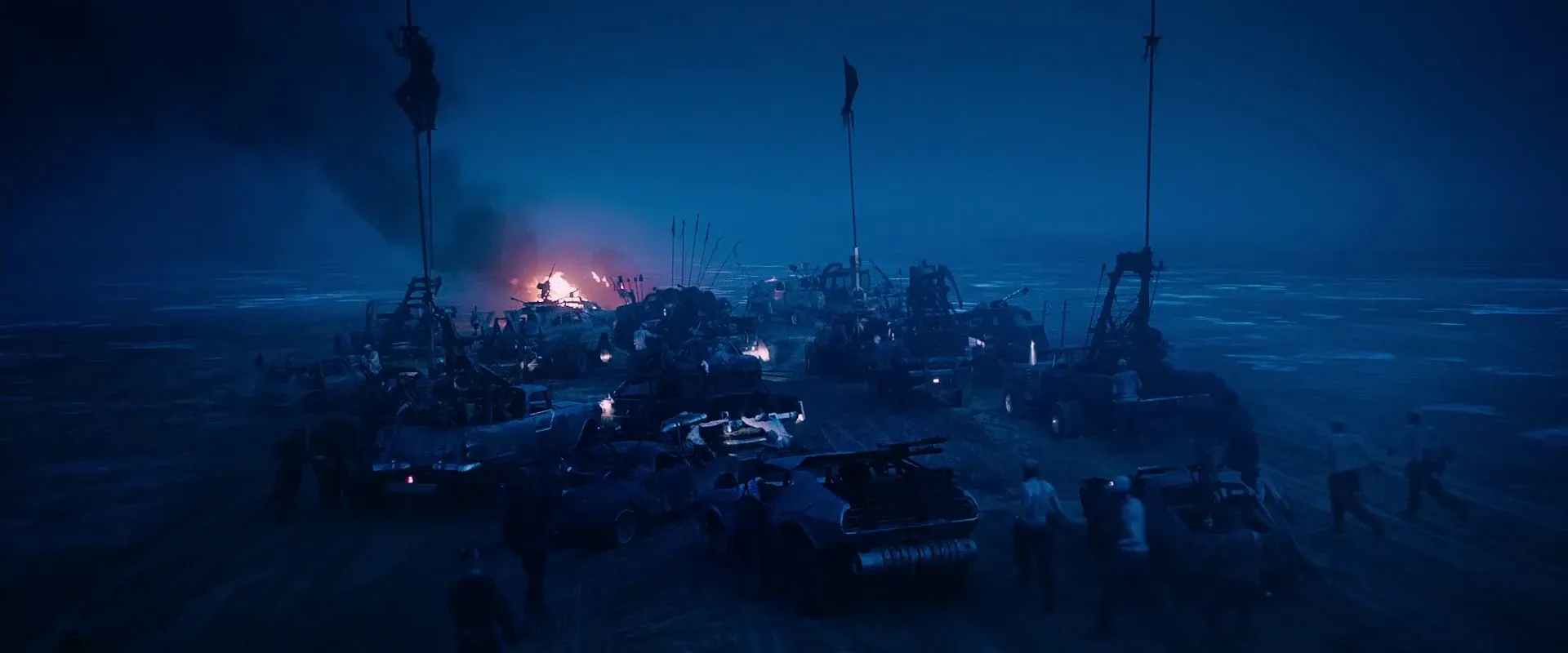
George Miller took it further on Mad Max: Fury Road. He and a team of artists designed the film across roughly 3,500 storyboard panels over about two years, and storyboard artist Brendan McCarthy's contribution was significant enough to earn a co-writer credit. (Miller has pushed back on the "no script" myth: a screenplay existed, not least to pitch the studio.) On a film that's almost wall-to-wall action, the boards were the plan, and the shot list was how that plan met the schedule.
Building both without doing the work twice
Here's where a lot of productions lose time. The board lives in one app, the shot list in a spreadsheet, and the visual references sit in a third folder nobody opens on set. By the time the DP is lighting, the three don't agree.
They should be one thing. A shot list is far more useful when each row carries its visual intent, whether that's the board panel or a reference frame that shows the exact look you're chasing. That's the case for pulling your references and your shot list into the same place, which is the whole reason a searchable visual reference library is worth building before the shoot rather than during it. When you're using a film still to nail a lighting setup, that reference should live on the shot it belongs to, not in a separate mood folder.
Draw the board when the scene needs it. Write the shot list always. And keep the look, the plan, and the reference in the same document. That's what StillsLab is built to do: link real frames straight to the shots on your list, so the vision and the logistics finally stop living in different apps.
How did you like this article?
Login to react to this article
Discussion (0)
💬 No comments yet. Be the first to share your thoughts!