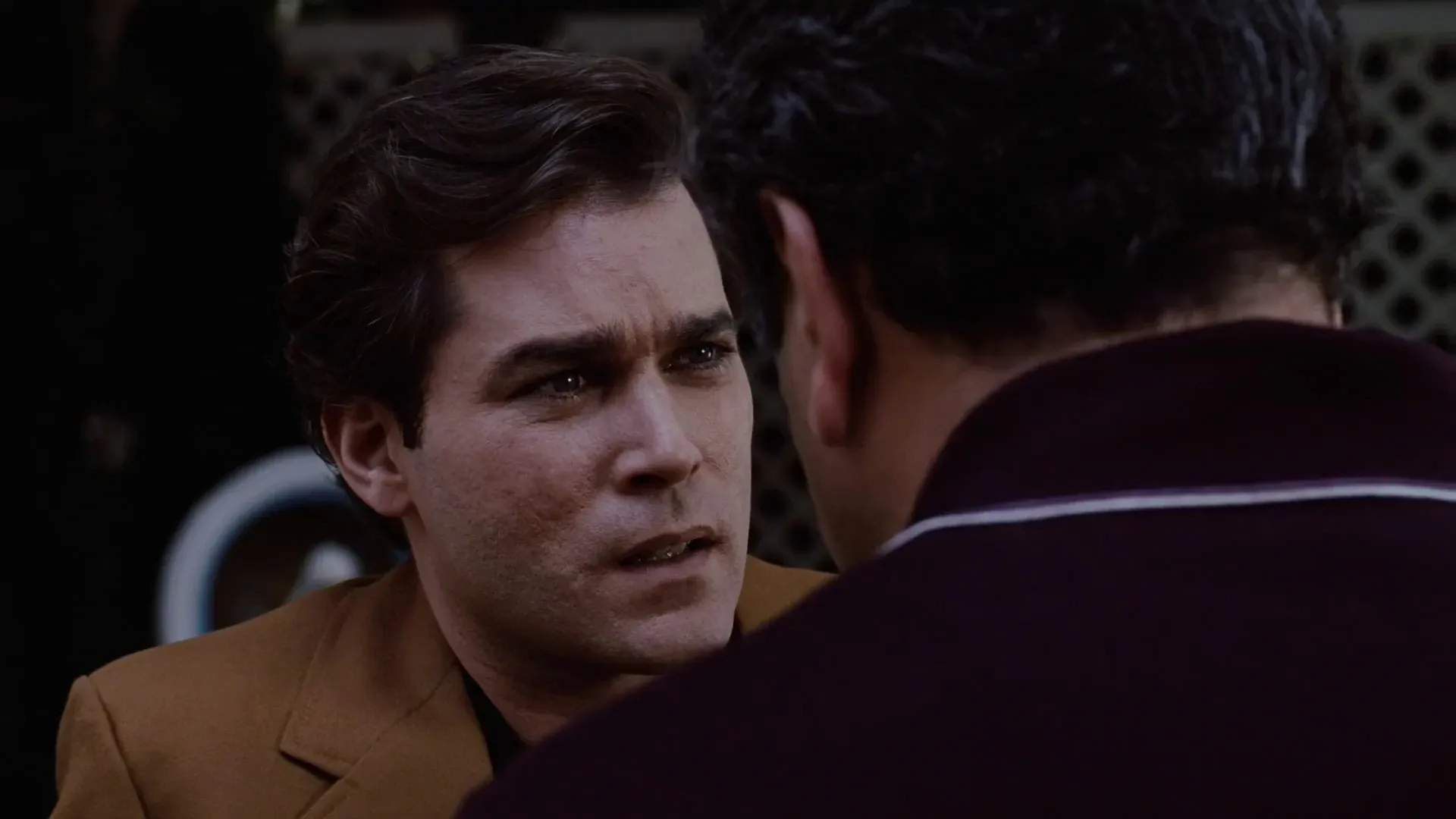
The 180-Degree Rule: When to Follow It and When to Break It on Purpose
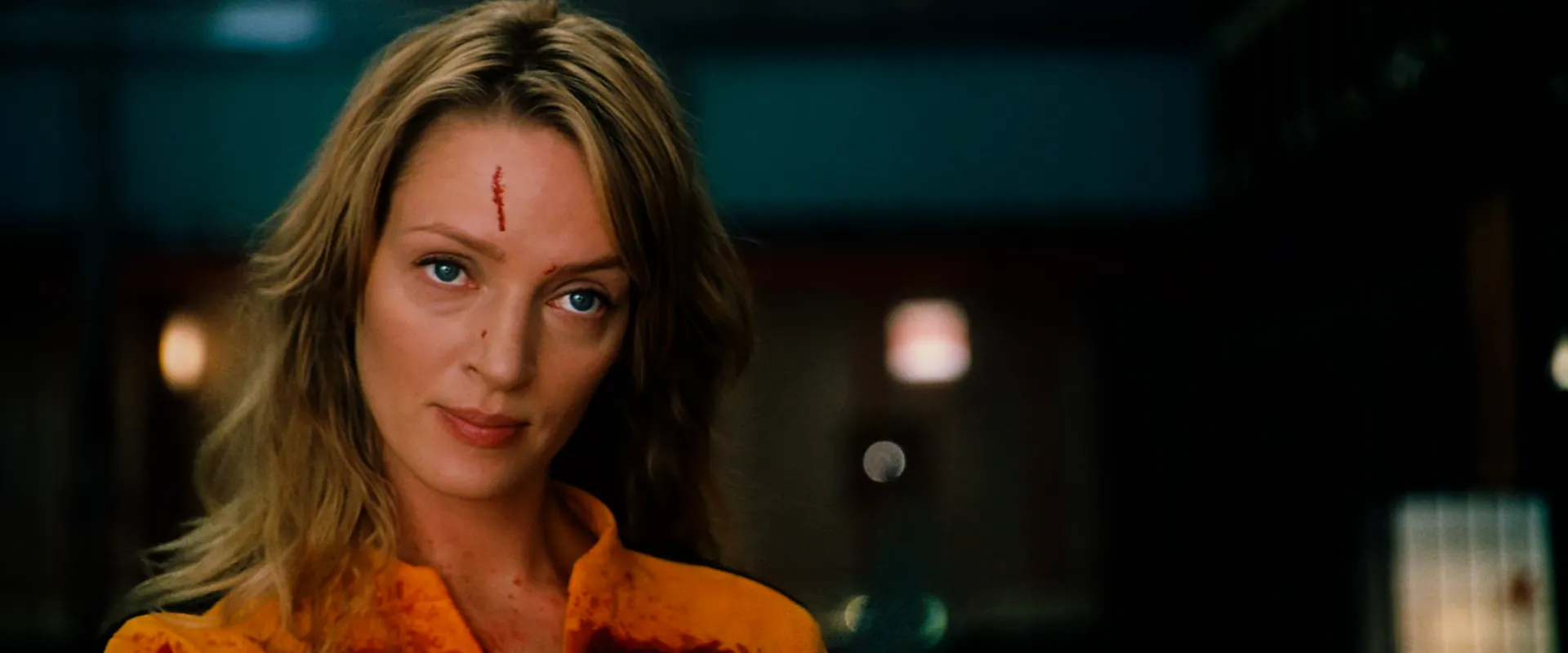
Kubrick and Demme both trained the audience to trust the frame, then pulled the floor out. Here's how to break the line so it lands instead of reading as a mistake.
Cinematography breakdowns, filmmaker profiles and film analysis — plus every new feature and improvement we ship at StillsLab.

Kubrick and Demme both trained the audience to trust the frame, then pulled the floor out. Here's how to break the line so it lands instead of reading as a mistake.

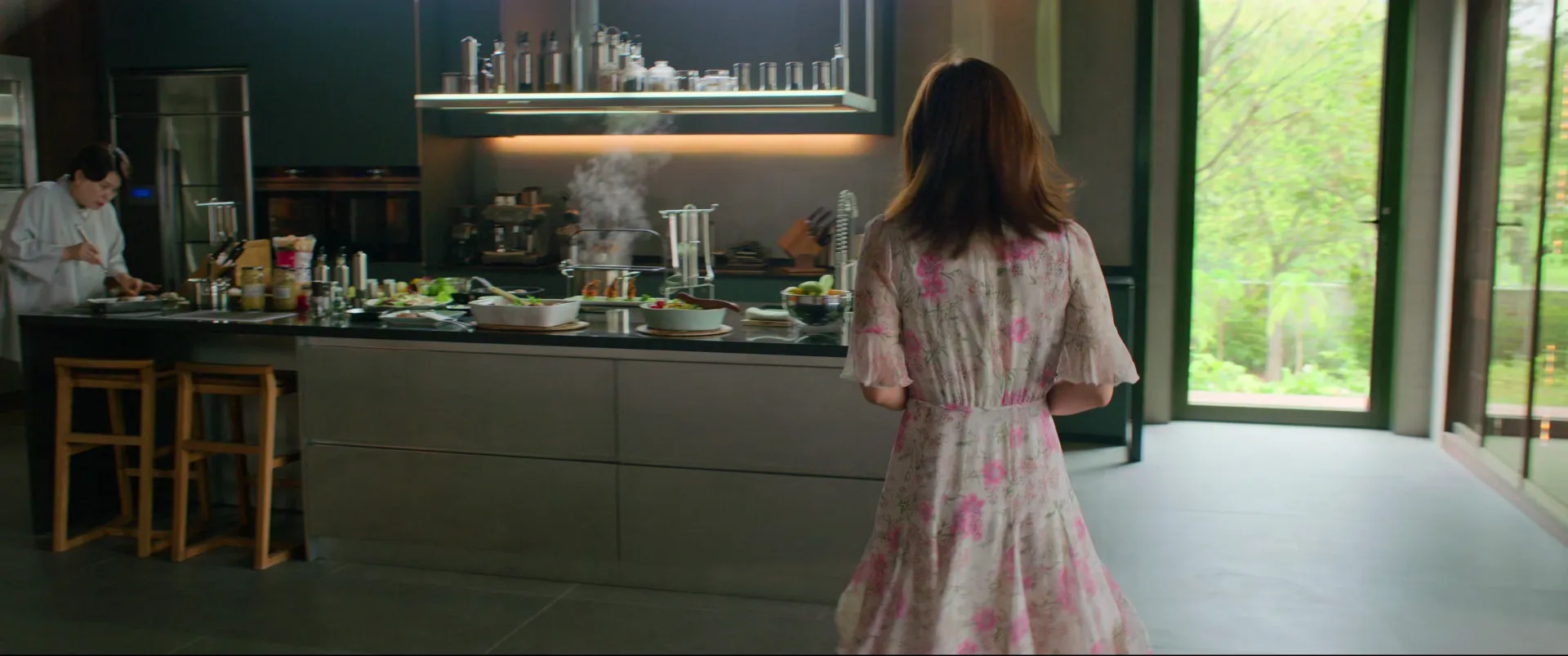
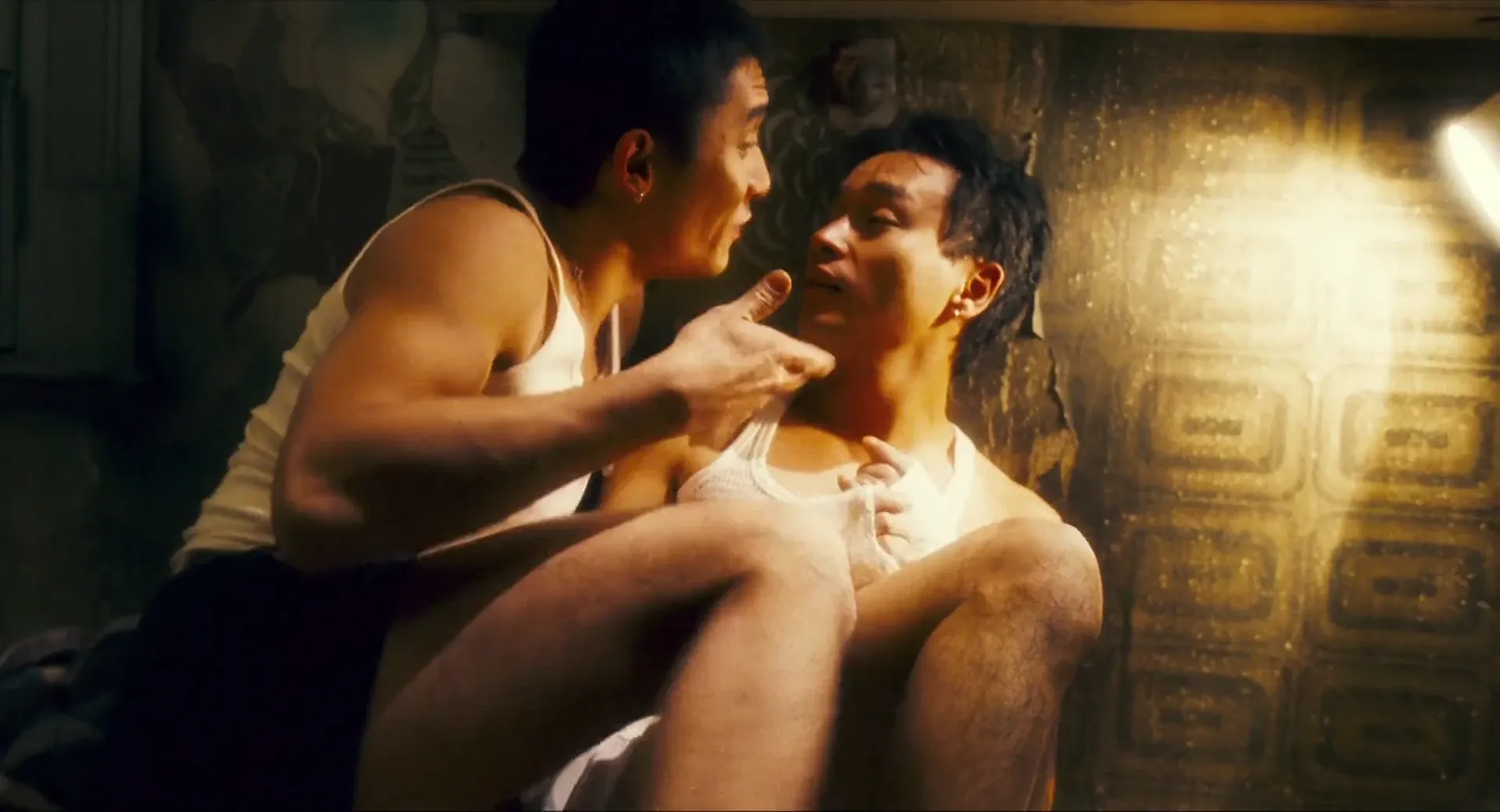
Hong Kyung-pyo never lets a rich character and a poor one share an eye level — and once you notice the rule, the whole film reorganizes itself.

Contrast ratio is the first creative call on any scene, long before the truck is unloaded. Here's how to make it on purpose.

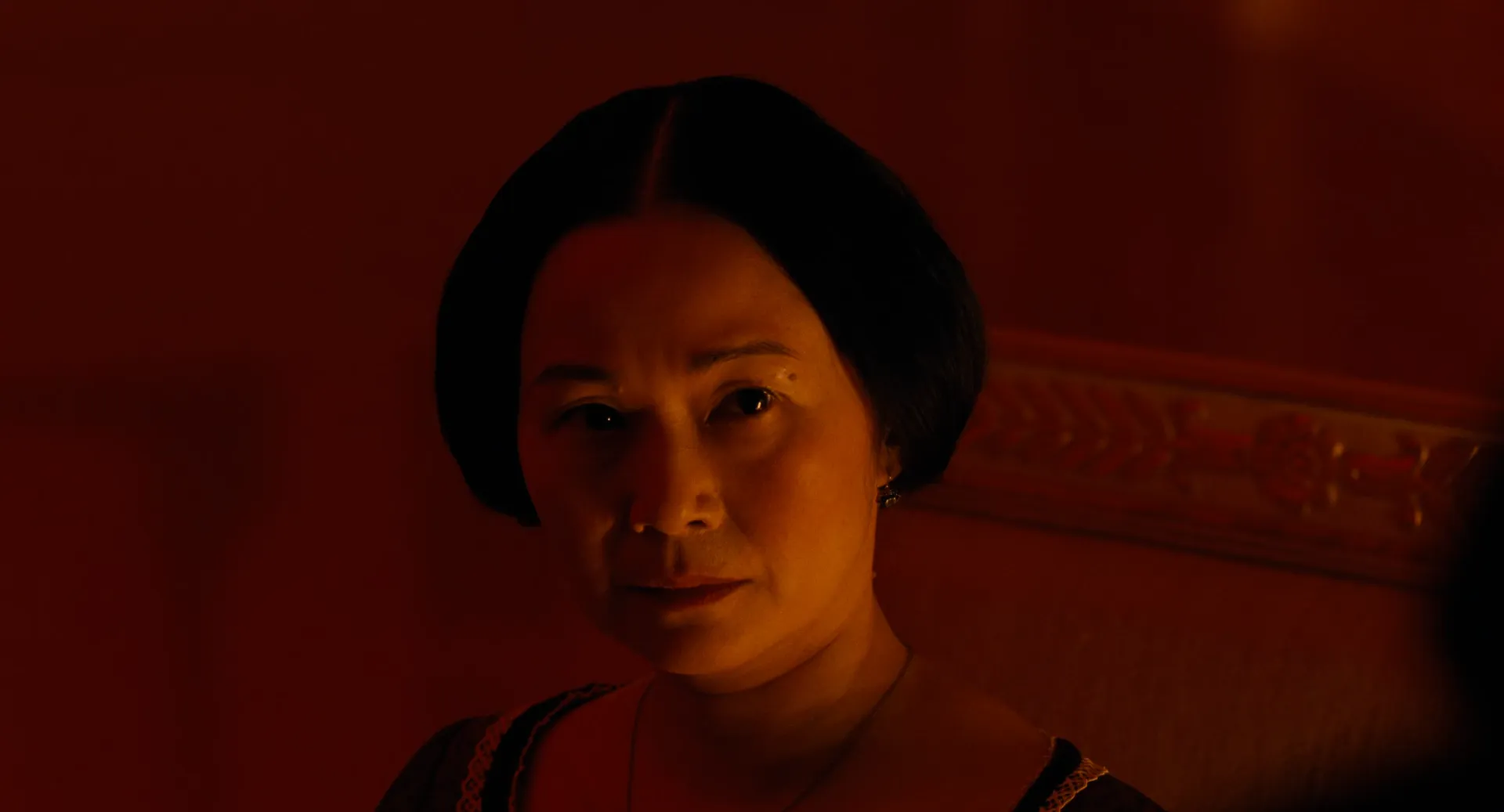
One film, two temperatures — firelit interiors that never flatten a face, and a coast lit like the opposite of romance.

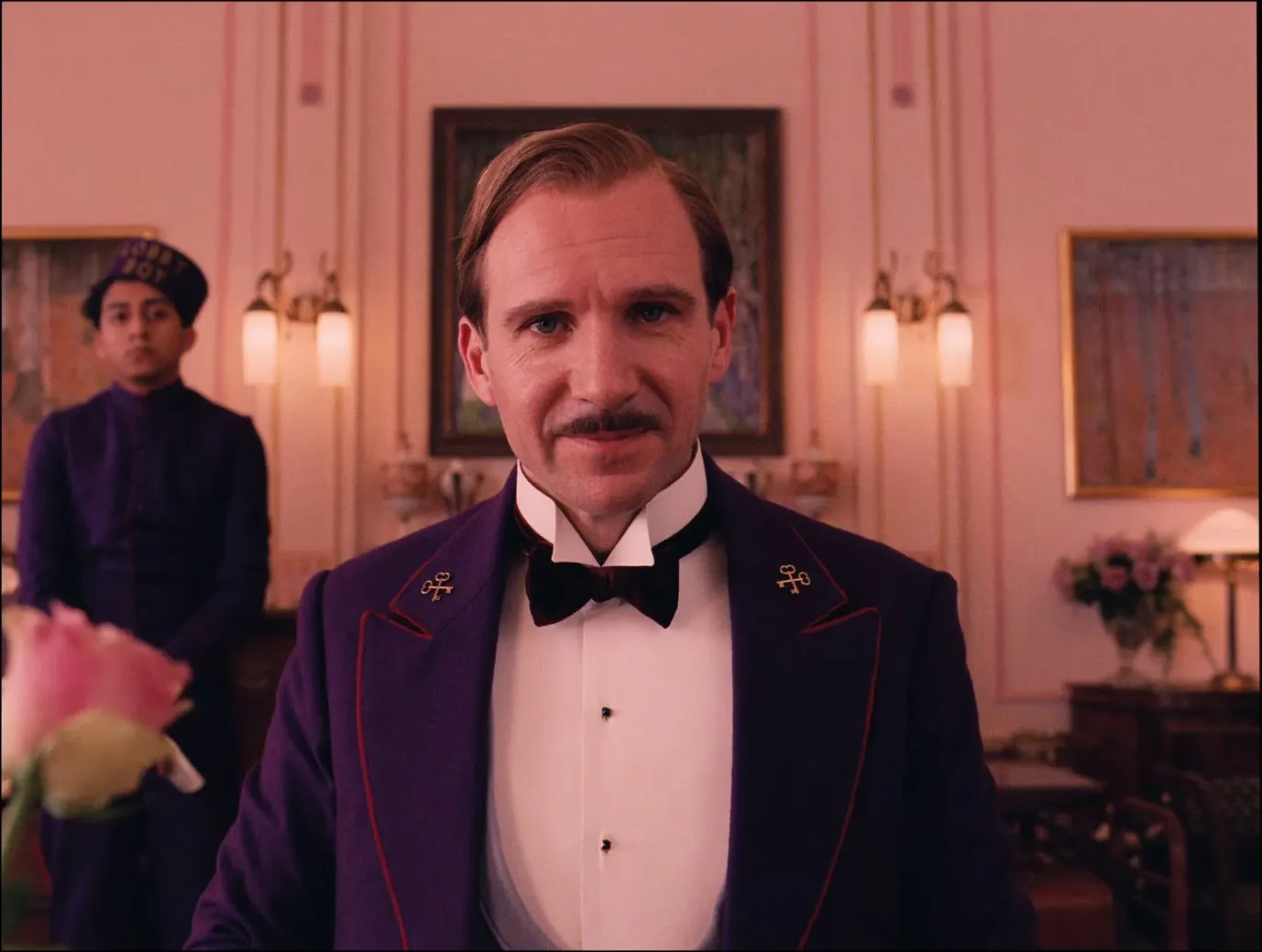
Stop rescuing your color in the DI. A palette is a prep decision — hand it out to characters, acts, and locations before you roll a single frame.

The gap between a scout that pays off and one that sends you back for a second trip is simply what you bothered to write down.

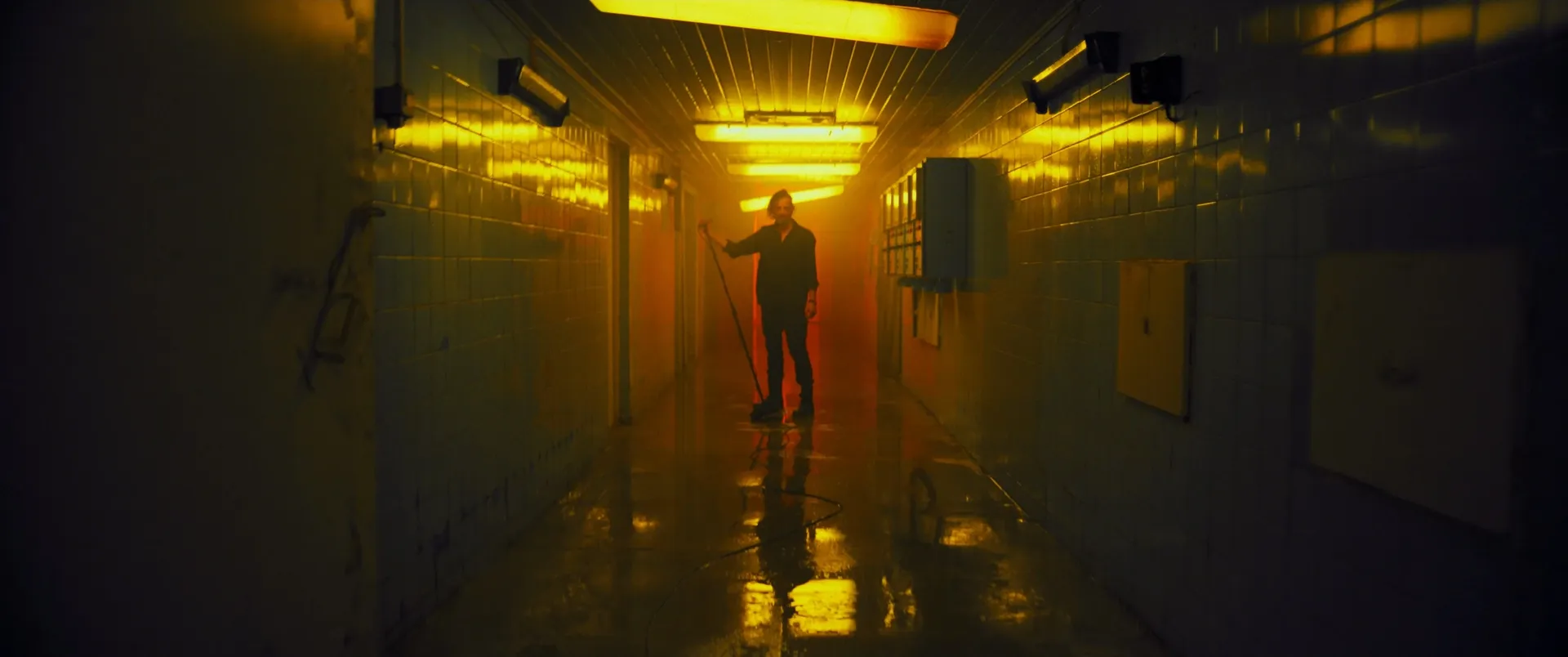
The step-printed blur, the 6.8mm lens, the acid-green tungsten — a working look at the choices behind film's most imitated mood.

Three Oscars, three very different directors, one unmistakable lighting move that follows him everywhere.

You can get your film, music video, or commercial featured in a professional cinematography reference library used by thousands of filmmakers — completely free. Here's how the submission process works and what your project gets.

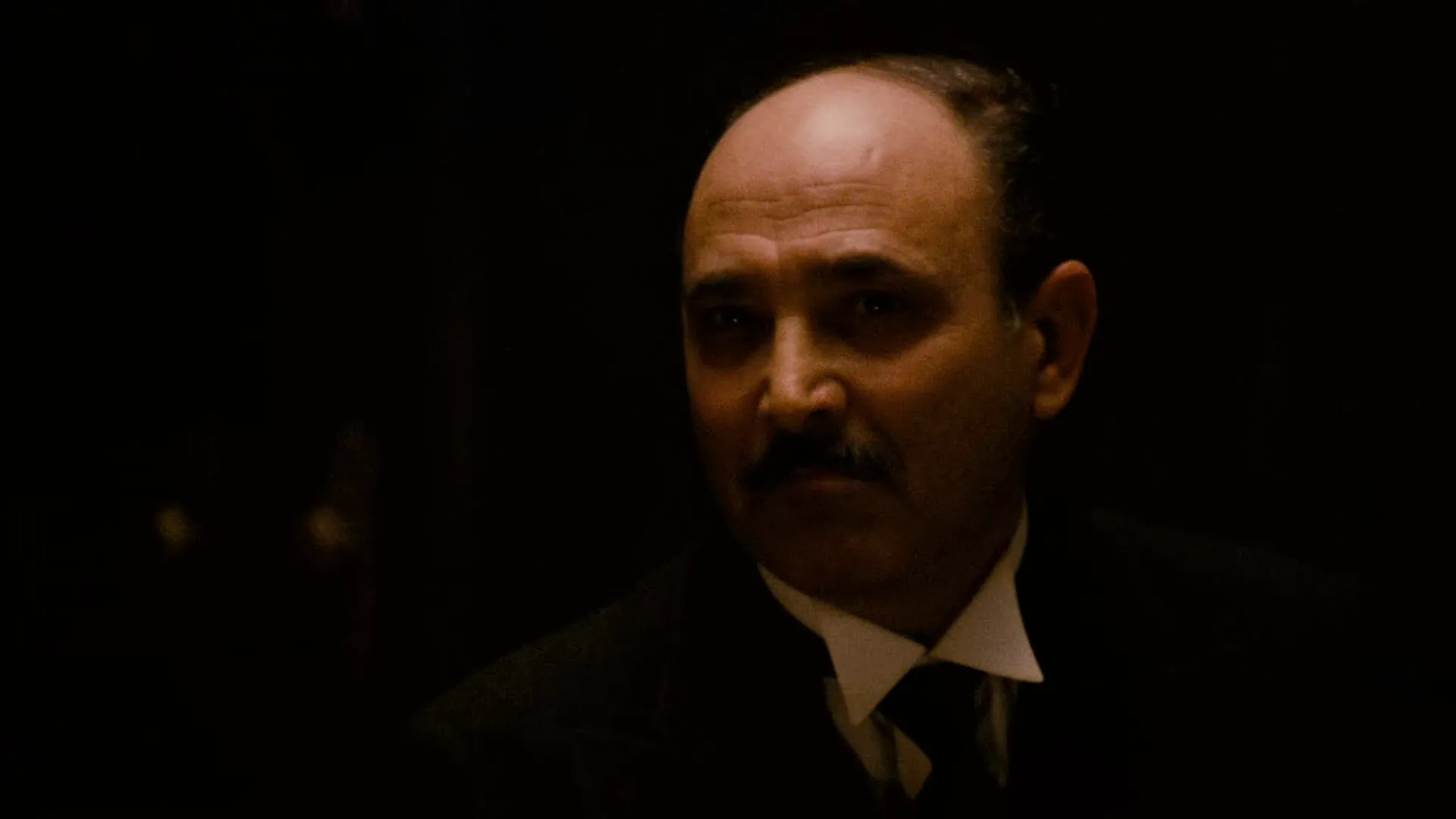
Paramount wanted the DP who lit The Godfather fired for keeping the light off Brando's face. The Academy took 37 years to admit he was right.