How to Scout and Document a Location So the Whole Crew Can Use It
The gap between a scout that pays off and one that sends you back for a second trip is simply what you bothered to write down.

Everyone remembers the location. The director found a stretch of coastline, or a stairwell, or a diner that felt exactly right, and the whole van agreed on the spot. Three weeks later you're building the shot list and nobody can answer the simple questions: which way did the windows face, was there power in the back room, how loud was the road at five. So someone drives back out. That second trip is the tax you pay for a scout that captured a feeling instead of information.
A good location scouting workflow is what keeps that from happening. Treat the scout as the one day you gather everything the DP, the AD, and the production designer will need to plan the place without ever standing in it again. You're not there to fall in love. You're there to take the location apart and write it down.
Shoot reference photos the crew can actually plan from
Snapshots of the prettiest angle are useless to everyone but you. The people planning the shoot need coverage, not a highlight reel. Shoot every wall. Shoot the approach — how a truck gets to the door — and the exits. Put a crew member in a few frames so there's scale, because a room reads completely differently once you know the ceiling is nine feet and not fourteen.
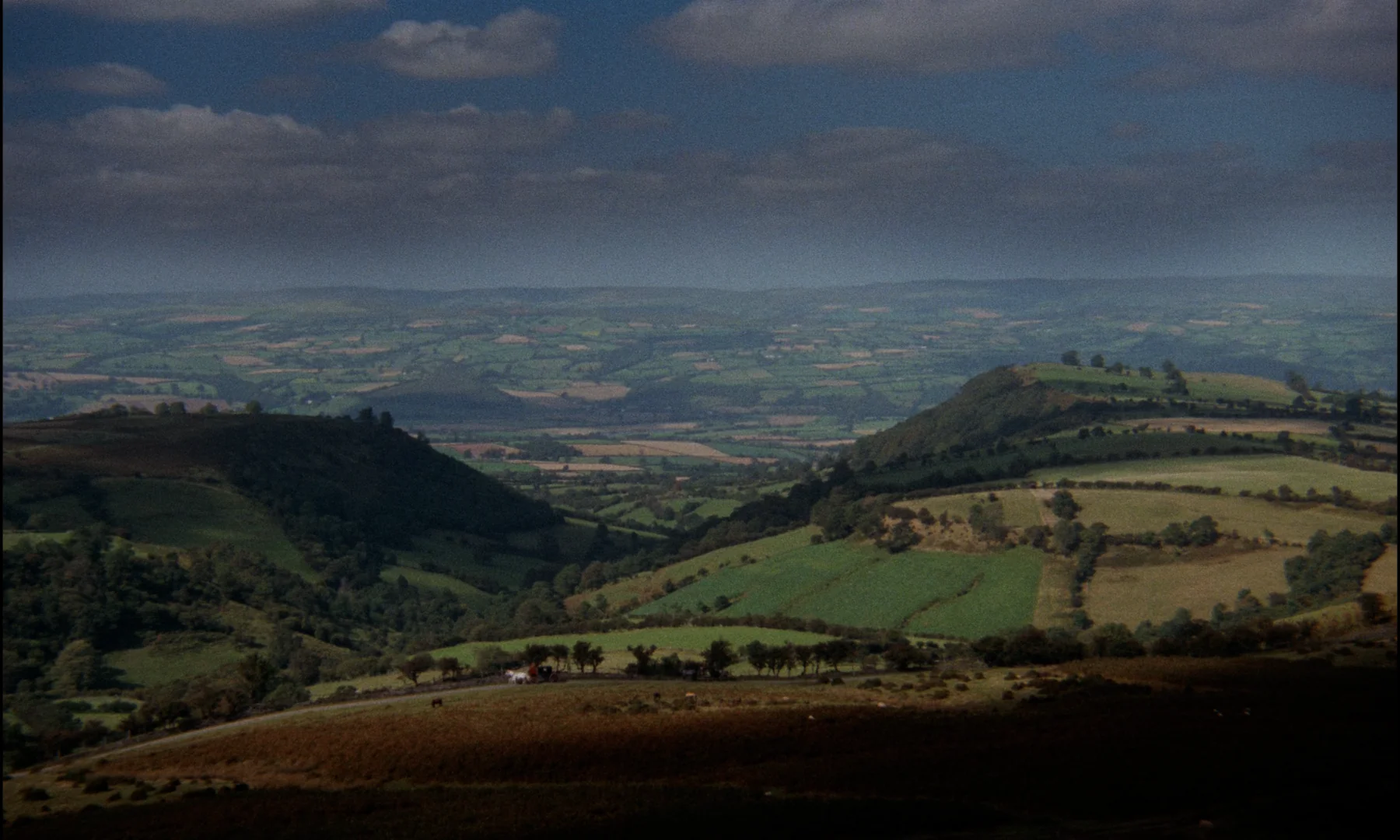
Then shoot the boring stuff on purpose. The corner nobody will film is exactly where the genny goes, or where sound hides, or where a 12-by ends up. When Kubrick let a valley like the one above do the acting, it worked because someone understood the ground first — the same discipline that makes Barry Lyndon's natural-light landscapes hold up is what a scout owes the location: look at what's really there, not just the part you like.
Read the light before you commit
The single most valuable thing you can bring back is where the sun is going to be. A room that's magic at nine can be flat and gray by noon. Note which direction the space faces and when the good light actually lands. Apps do this cold — Sun Seeker, Helios, Sun Surveyor and PhotoPills will overlay the sun's arc onto a photo of the location for any date, so you can see the raking light before you've committed a single crew day to it.
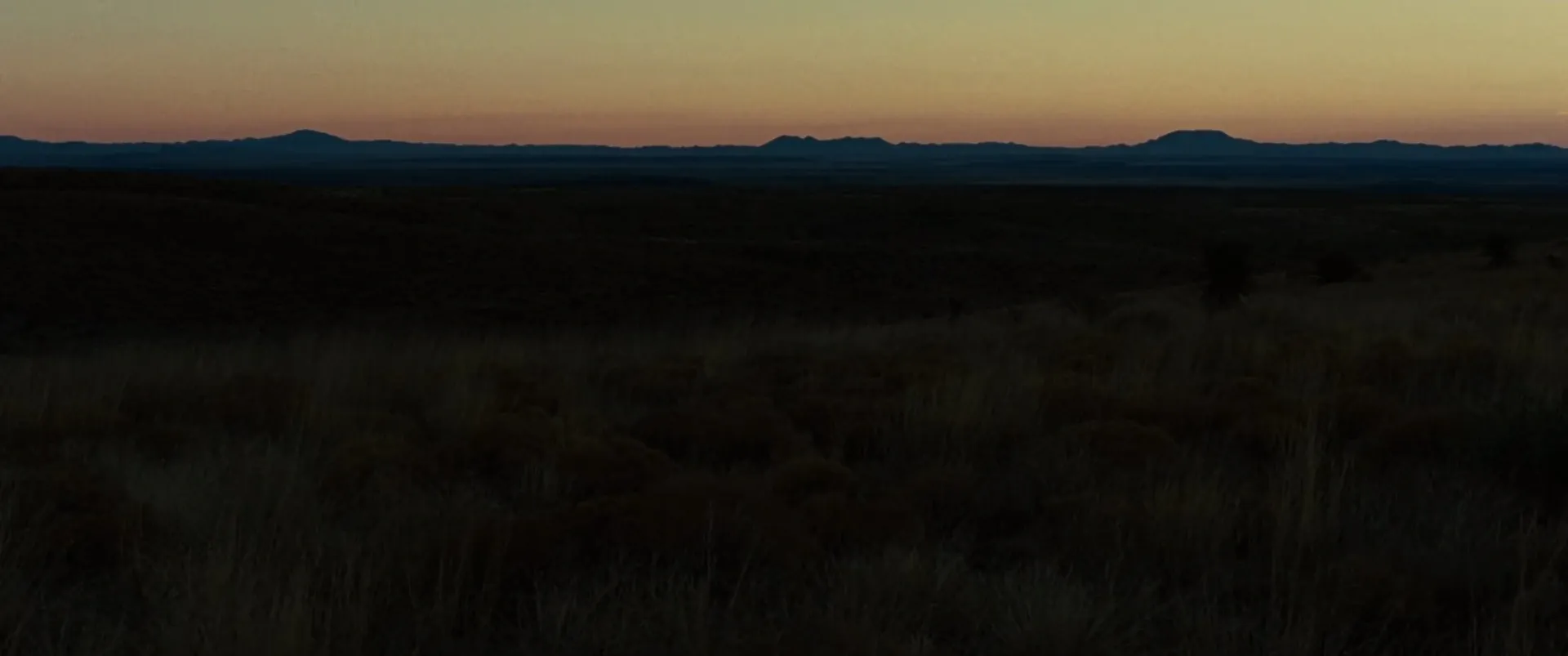
Two things people forget to log. First, true north versus magnetic north, so your notes still make sense when the gaffer reads them. Second, that golden hour is not an hour — depending on latitude and season, the usable light in a frame like the one above lasts more like fifteen minutes. If a day's biggest shot depends on it, the AD needs that number now, not on the morning of.
Power, sound, and the notes nobody thanks you for
Walk the space asking the unglamorous questions. Where's the power — is there a tie-in you can use, or are you running a generator, and where does it sit so it isn't in every wide? What makes noise: an HVAC unit, a buzzing fridge, a flight path overhead, traffic that thickens at rush hour, a school that empties out at three. Check the floor, because a creaky wooden one is both a dolly problem and a sound problem. Note ceiling height for rigging, then parking, the nearest bathroom, cell signal, and how far base camp has to sit.
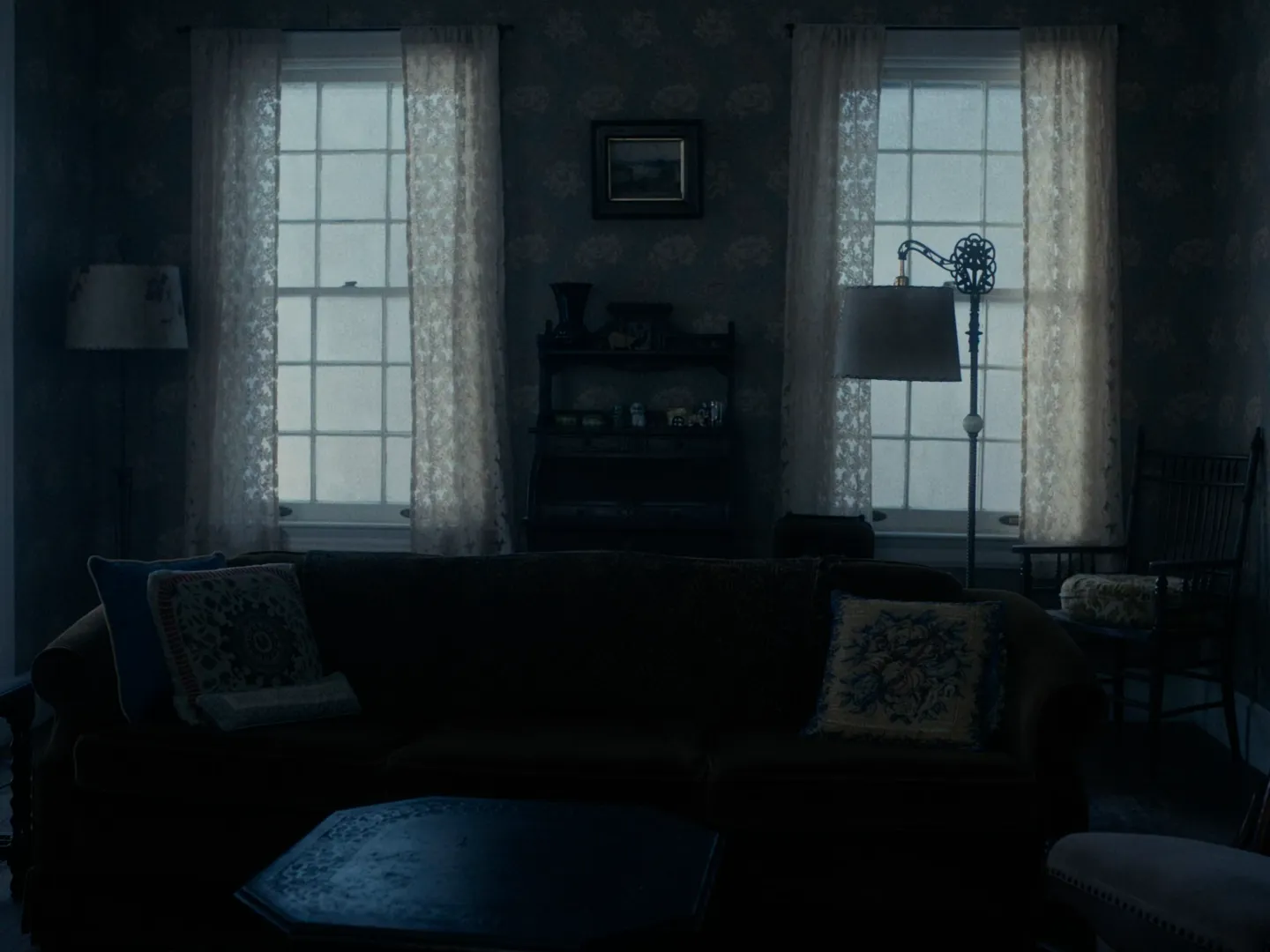
An interior lives or dies on its windows and its practicals. Note where the daylight comes from and what you'll have to power before the truck arrives — the lamps that need to read on camera, the fixtures you'll gel or kill. None of this is glamorous, and all of it ends up on a call sheet, so it may as well be captured once, cleanly, by the person actually standing in the room.
Build a location scouting workflow the crew can actually use
A scout only pays off if the data leaves your phone. Ten thousand photos buried in a camera roll, sorted by nothing, help no one. Organize by location and by scene, label each photo with what it shows, and keep the sun notes, the power notes, and the reference frames in one place the DP, AD, and designer can all open. When your script breakdown already spells out what each location has to do, the scout becomes the direct answer to it.
That's the whole difference between a scout and a second scout. When the reference photos live next to the shot list and the details feed straight into the call sheet, nobody's guessing which way the light falls or where the generator goes. This is where keeping your references and your plan in one system stops being a nice-to-have: StillsLab holds your scout photos, your visual references, and your shot list together, so the frame the director fell for on the scout is right there when the DP builds the coverage — and the details you logged travel with it instead of getting re-discovered, expensively, on the day.
How did you like this article?
Login to react to this article
Discussion (0)
💬 No comments yet. Be the first to share your thoughts!