How to Break Down a Script for Production
Every horse, squib, and hero prop your shoot needs is already hiding in the pages. Here's how to drag them all into daylight before day one.

The script is locked, the money is half-raised, and someone asks how many days you need. You can't answer that from a feeling. The real answer is already sitting inside the pages, and prying it out is the whole job of a script breakdown — the pass where you stop reading the screenplay as a story and start reading it as a list of things you have to cast, buy, build, light, and schedule.
Done properly, a script breakdown for a film turns forty scenes of "and then he walks in" into a spreadsheet you can actually budget and shoot. Done late or halfway, you find out you needed a horse wrangler on day three sometime around the end of day two.
What a script breakdown actually is
A script breakdown is the process of reading a screenplay scene by scene and tagging every physical element each scene demands — cast, extras, props, wardrobe, vehicles, stunts, special effects, sound — then logging each scene's location, its interior/exterior status, its time of day, and its length. The output is a stack of breakdown sheets, one per scene, plus the tallies that feed everything downstream.
On most productions the 1st AD owns this pass, with the producer and director weighing in, because the AD is the one who then has to turn it into a schedule (StudioBinder, Wrapbook). On a small indie you might be the AD, the producer, and the person who forgot to book the wrangler, all at once. The process is the same either way. It is slow, it is not glamorous, and it is the single most important thing that happens between "we have a script" and "we're rolling."
Tag every element, not just the obvious ones
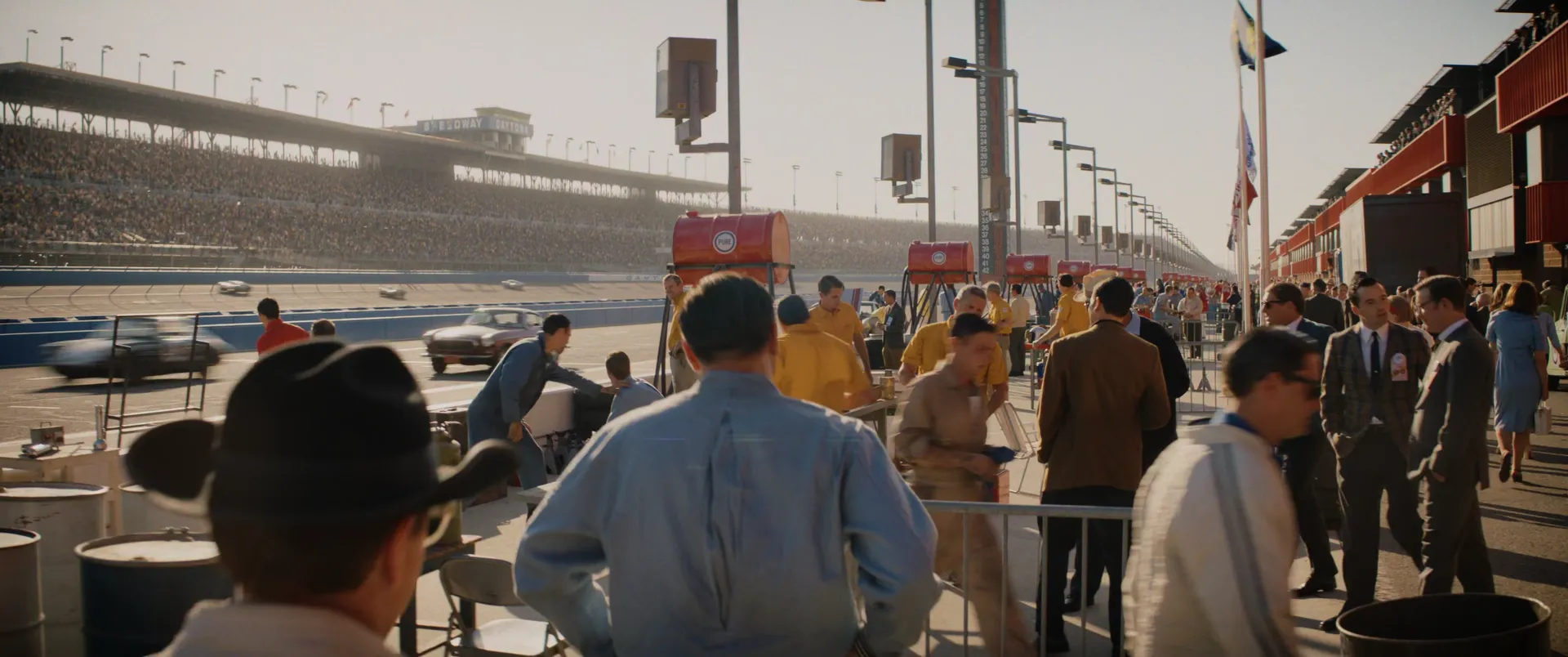
Here is the trap: a scene reads as one line of action and hides a dozen things you have to provide. "She pours a drink and the radio crackles" is a prop (the glass), a set dressing choice (the bottle), a sound cue (the radio), and possibly a music clearance. A single racetrack scene can carry lead cast, forty background extras, a fleet of picture vehicles, mechanics' costumes, and safety coverage for anything that moves fast.
To catch all of it consistently, the industry sorts elements into categories, and most breakdown workflows color-code them so nothing slips. The common legend runs roughly like this: cast in red (anyone with a line), stunts in orange, silent bit extras in yellow, background atmosphere in green, props in purple, special effects in blue, vehicles and animals in pink, sound and music in brown, with wardrobe circled and makeup/hair flagged with an asterisk (StudioBinder, Filmustage). Legends vary from show to show, and breakdown software lets you customize them — the colors matter less than the discipline of tagging the same way every scene.
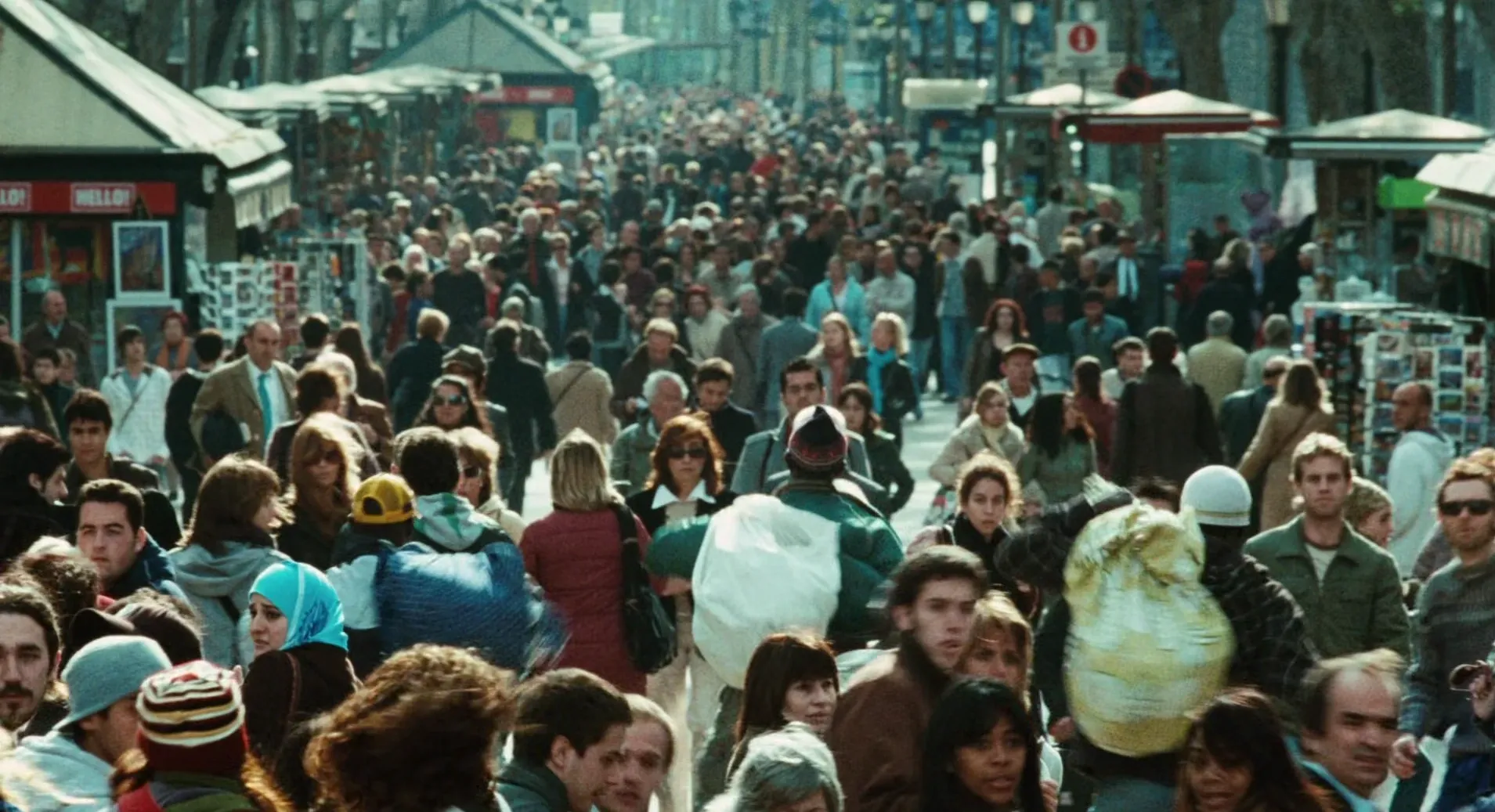
Background is where numbers quietly explode. "A busy street" is not a mood; it is a headcount, a wardrobe order, and a chunk of your day. Decide early whether a scene needs ten bodies or a hundred, because that decision writes itself into the budget whether you make it on purpose or not.
Measure every scene in eighths
While you tag, you also measure. Film production breaks each script page into eight equal parts — eighths — so a scene that runs five inches down the page is "5/8." One full page is 8/8, and a rough rule of thumb is that a script page equals about a minute of screen time (StudioBinder, MovieMaker).
Eighths are the unit your whole schedule is built from. A feature often lands somewhere around five pages a shooting day, though that number swings hard with complexity — a five-eighths dialogue scene at a kitchen table is not the same day's work as a five-eighths stunt. Add the eighths per location, per cast member, per day, and the plan stops being a guess. Breakdown software tallies eighths automatically as you tag; on paper, you count them by hand. Either way, the totals are what let you tell a producer "eighteen days," and mean it.
INT/EXT and day/night run your schedule
Two tiny tags on every breakdown sheet — interior versus exterior, day versus night — control more of your schedule than almost anything else. Night exteriors are the expensive ones: shorter usable hours, more lighting, turnaround rules, crew fatigue, and weather you don't control. Group them, protect them, and never let them scatter across the calendar one at a time.
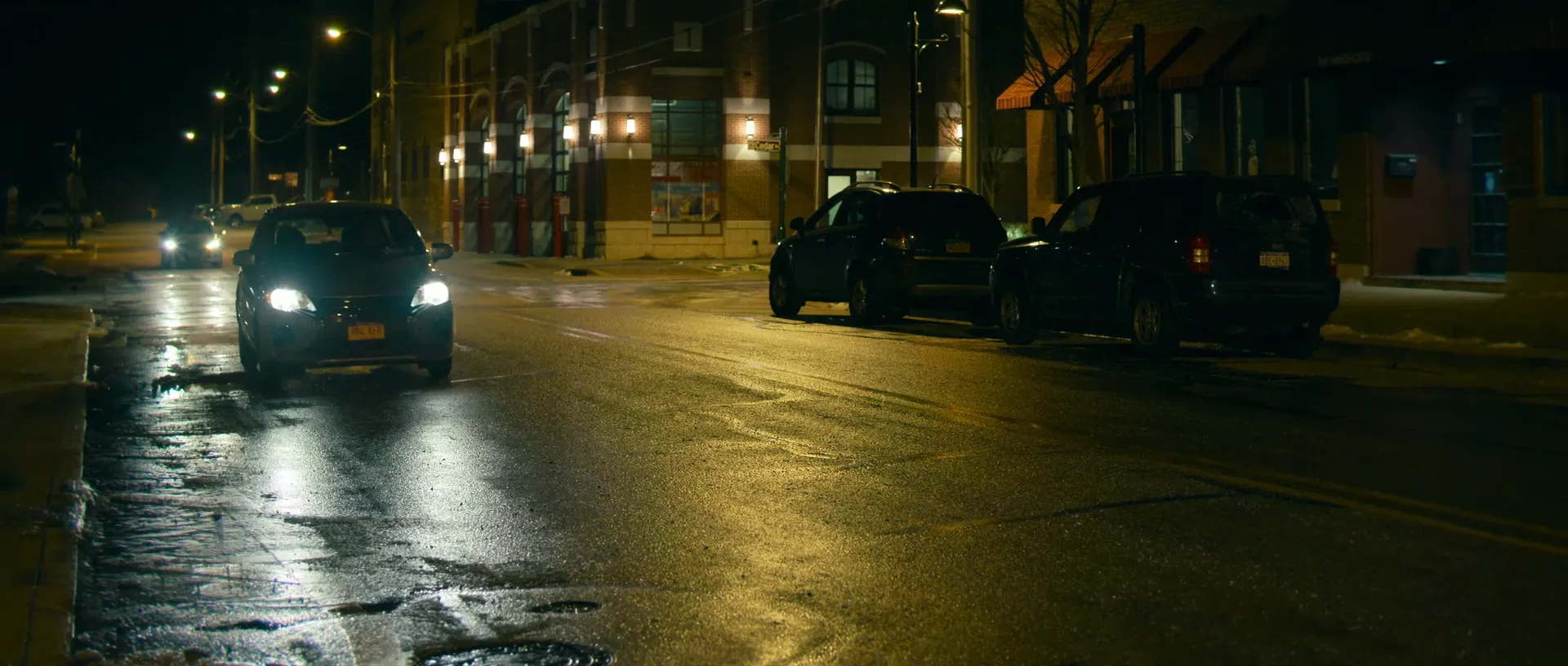
This is also where the breakdown feeds coverage. Once you know a scene is a night exterior with two principals and a picture car, you can start thinking about how many shots that scene actually needs — and the answer shapes how long that expensive night runs.
Group the scenes, then schedule out of order
You do not shoot a script front to back. The breakdown is what lets you shoot it smart. With every scene tagged by location, cast, and time of day, you regroup: all the scenes at the diner on one day regardless of where they fall in the story, all of one actor's scenes clustered so you don't pay for idle days, all the night exteriors banked together.
That regrouping is the bridge from breakdown to everything else. Your shot list inherits the scene's elements and coverage plan. Your schedule inherits the eighths and the location groups. And the call sheet inherits the cast, the props, and the day/night flags — which is exactly why a clean breakdown means nobody shows up for a scene missing the one prop it was built around.
Where the references live
A breakdown tells you what is in every scene. It doesn't tell you what any of it should look like — and the moment you tag "1965 pit lane" or "rain-soaked night street," someone has to decide the palette, the light, and the texture before the AD can schedule it and the DP can prep it.
That is the seam where a breakdown and a visual plan meet. Keep your reference frames attached to the scenes they describe, and the same pass that tells you you need forty extras and a night exterior also shows the whole crew what that night is supposed to feel like. StillsLab exists to hold that half — the frames next to the scenes — so the breakdown you build in the morning still means the same thing to the DP, the director, and the AD by the time it hits the floor.
How did you like this article?
Login to react to this article
Discussion (0)
💬 No comments yet. Be the first to share your thoughts!