Mad Max: Fury Road — How John Seale Made Chaos Legible
George Miller lured an Oscar-winning DP out of retirement, then had him break most of the rules he'd built a career on. Here's how they engineered a two-hour car chase you can actually follow.

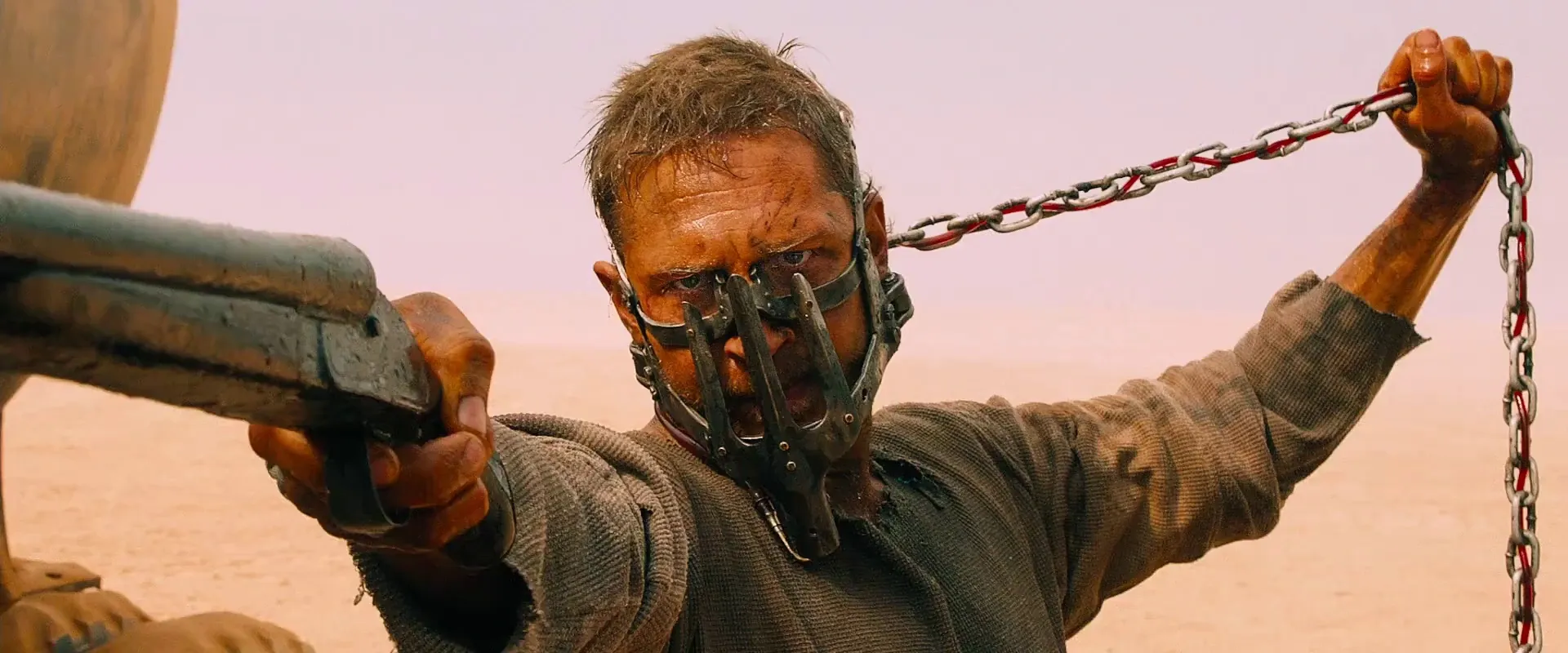
Roughly half of Mad Max: Fury Road never runs at twenty-four frames a second. John Seale, the man who shot it, has said as much plainly — if George Miller couldn't read what was happening in a shot, he slowed it down until you could; if it read too easily, he sped it back up. That single decision, applied shot by shot across a two-hour car chase, is a big part of why the most relentless action film of the last decade is also one of the easiest to follow.
Seale wasn't supposed to be on it at all. He'd retired after a career that already included Witness, Rain Man, The English Patient — which won him the Academy Award for Cinematography — and Cold Mountain. Miller coaxed him back out for Fury Road, and it earned him his fifth Oscar nomination. What the two of them built on that shoot is worth studying less as spectacle than as engineering: a set of rules that made chaos legible.
Frame rate as an editing tool
Most productions pick a frame rate and forget it. Fury Road treated it as a dial. By Seale's own account, somewhere between fifty and sixty percent of the finished film sits off the standard 24fps — undercranked so a stunt reads faster and more frantic, or shot higher and stepped down so a critical beat stays readable at speed.
This matters because speed and clarity usually fight each other. Undercrank a chase and it picks up that jittery, sped-up urgency — but push it too far and the audience loses the thread. Miller's fix was to tune each shot to the edge of comprehension and stop there. Legibility became a setting, not an accident.
Put it in the center and never let it move
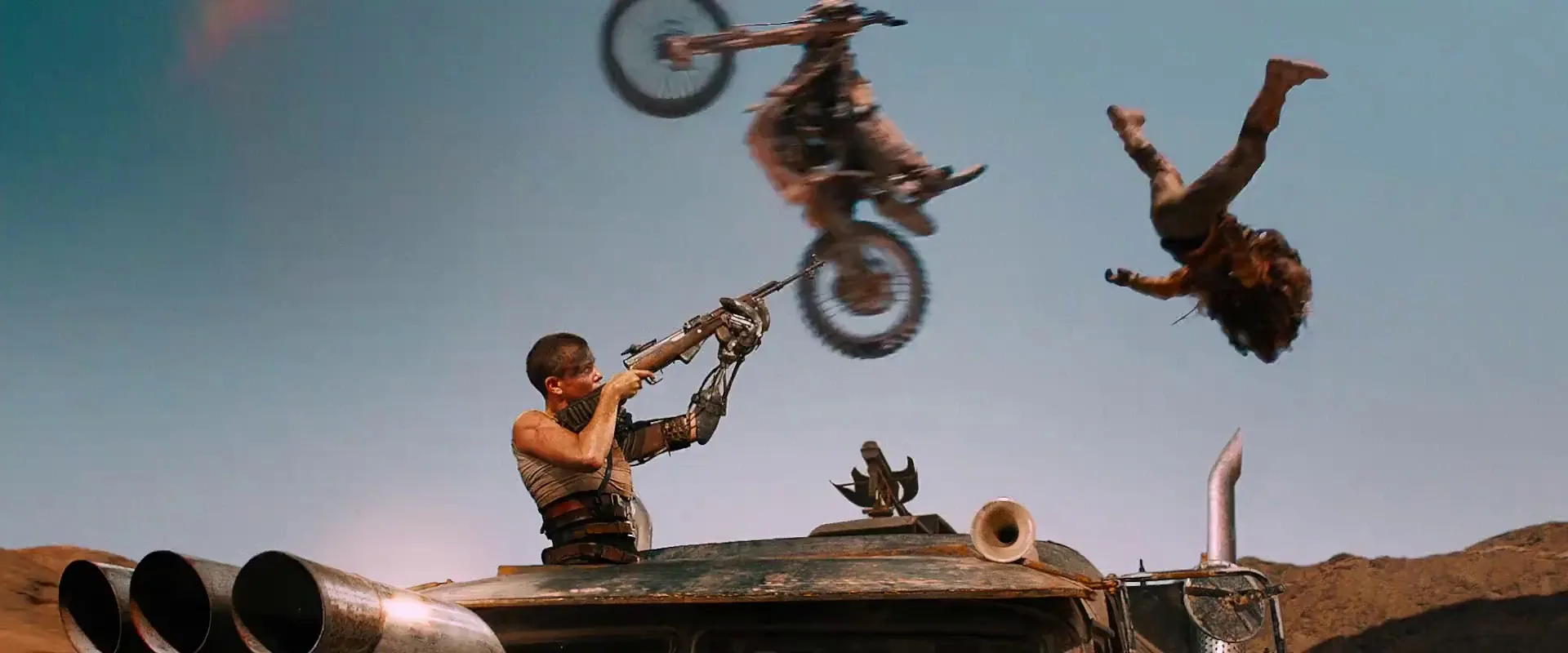
Frame rate bought clarity in time. Composition bought it in space. Miller's instruction to his operators — and on the biggest sequences there were three or four cameras rolling at once — was blunt: put the point of interest dead center. Put Charlize in the center of the frame, as the note went, and don't worry about what's happening at the edges.
It runs against everything a cinematographer is trained to do with the rule of thirds and negative space, and Seale has said it took discipline to override that instinct. But it gave editor Margaret Sixel — Miller's wife, who had never cut an action picture — a fighting chance. When the subject lands in the same spot frame after frame, the eye doesn't have to re-hunt for it on every cut. Sixel could hold a shot on screen for well under a second and still keep you oriented; the finished film runs to roughly 2,700 cuts and never feels like it's shaking you off. She won the Academy Award for it. We pulled the composition apart on its own in a breakdown of why Fury Road is so easy to follow — that's the spatial half of the same idea.
A two-color world
The last layer is color, and it's the one people remember. Working with colorist Eric Whipp, Miller and Seale pushed the daylight desert toward saturated amber and the night toward deep teal-blue — a two-tone palette closer to a comic panel than to the bleached, desaturated look most post-apocalyptic films reach for. The stated goal on the grade was to keep it looking like a graphic novel.
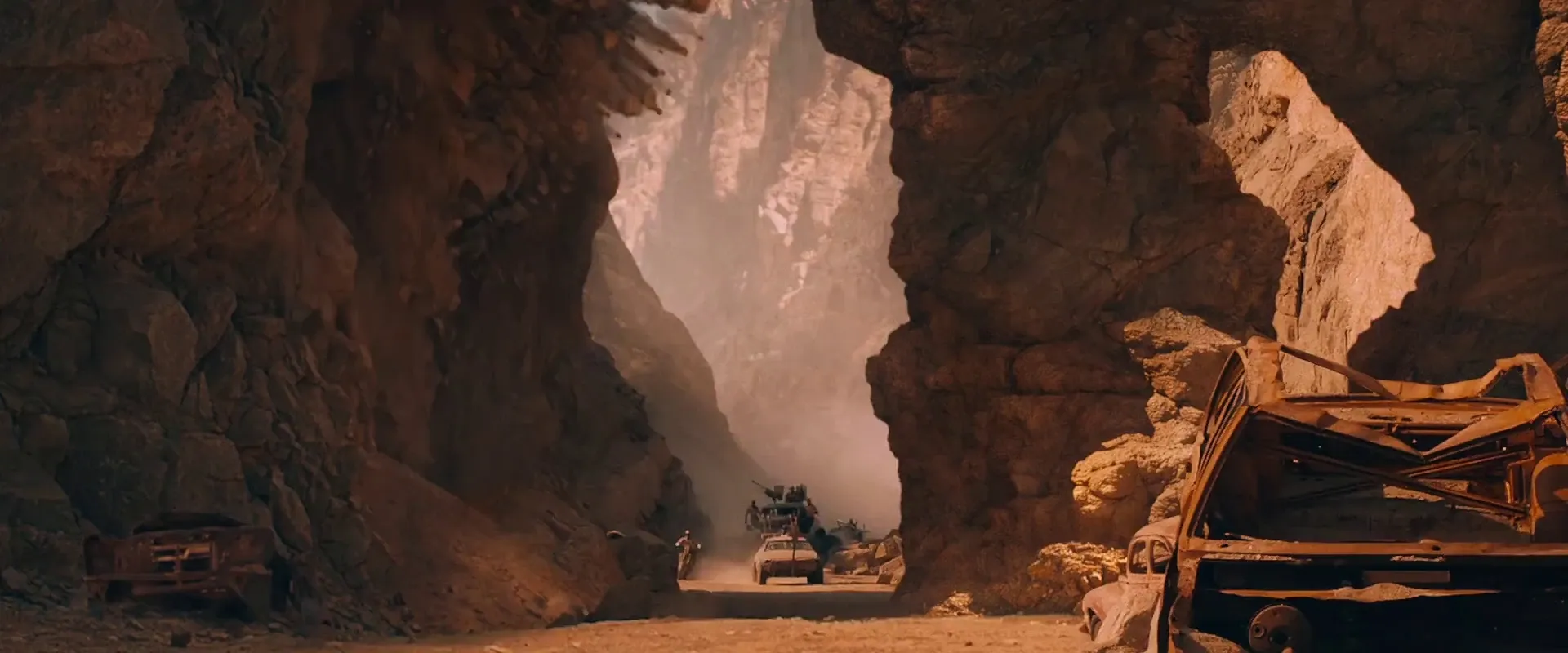
The saturation isn't only style. A strongly separated palette does the same job as center framing: it helps figure and ground pull apart, so even a packed frame of dust, metal and bodies stays readable.
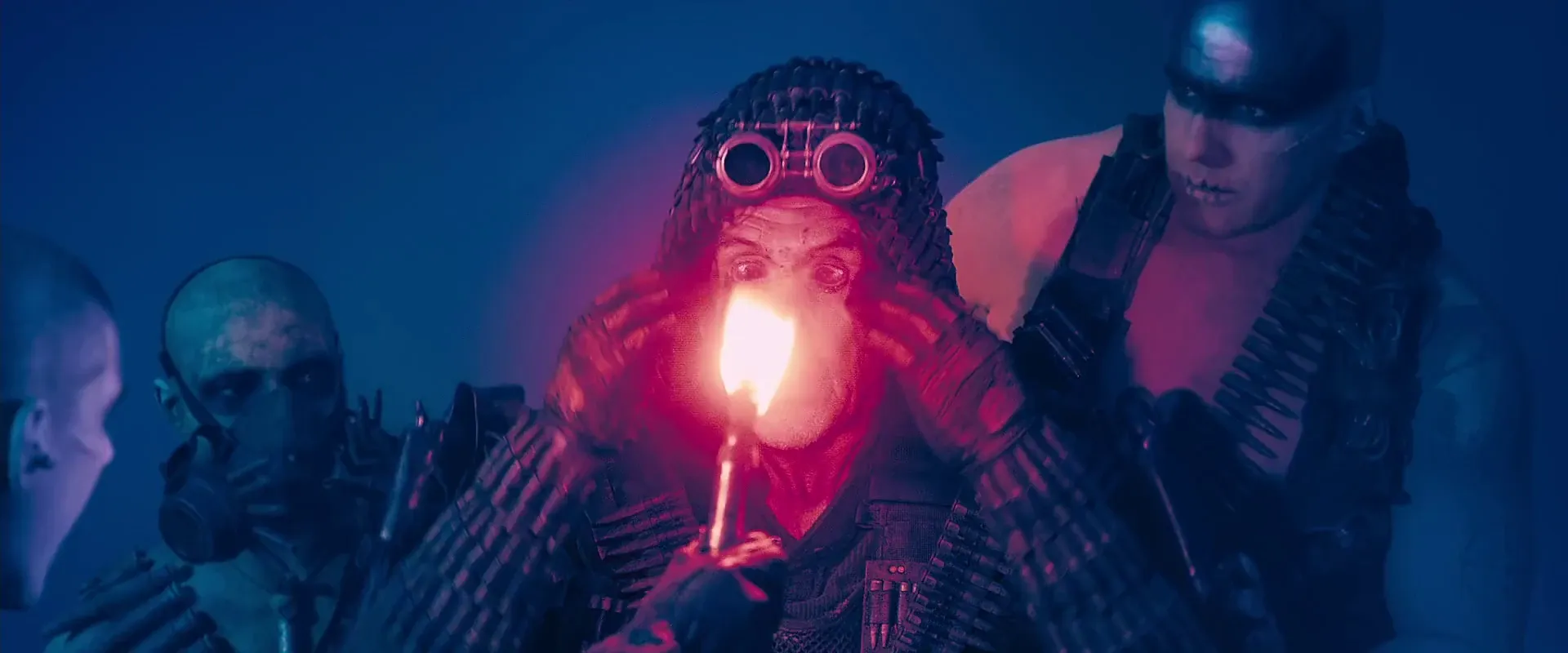
The night look is the neat trick underneath it. Those blue nocturnal sequences were shot in daylight in the Namibian desert, deliberately overexposed by around two stops on VFX supervisor Andrew Jackson's suggestion, then graded down into near-total blue with only a sliver of the original color kept — a plume of fire, a spray of blood. It's day-for-night done digitally, and it's a technique worth understanding before you ever have to fake night on a schedule.
What it adds up to
Fury Road walked away with six Academy Awards from ten nominations — editing, production design, costume, makeup and both sound categories. Seale's cinematography was nominated and, in one of that season's odder outcomes, didn't win. The lesson of the film isn't in the trophy count, though. It's that "legible" and "overwhelming" aren't opposites. Miller and Seale got both by deciding, in advance, exactly where the eye would go — in time, in space, and in color — and then stripping out every reason for it to wander.
That kind of control starts long before the camera rolls, with knowing what each frame is supposed to look like shot by shot. Pulling reference stills like these into your shot list — one beside each setup, showing where the subject sits and how the color reads — is how you carry a plan this deliberate out of your head and onto the truck. That's exactly what StillsLab is built for: searchable movie frames wired straight into the shot list your crew actually works from.
How did you like this article?
Login to react to this article
Discussion (0)
💬 No comments yet. Be the first to share your thoughts!