Robert Richardson's Cinematography Style: The Blast of Top Light
Three Oscars, three very different directors, one unmistakable lighting move that follows him everywhere.

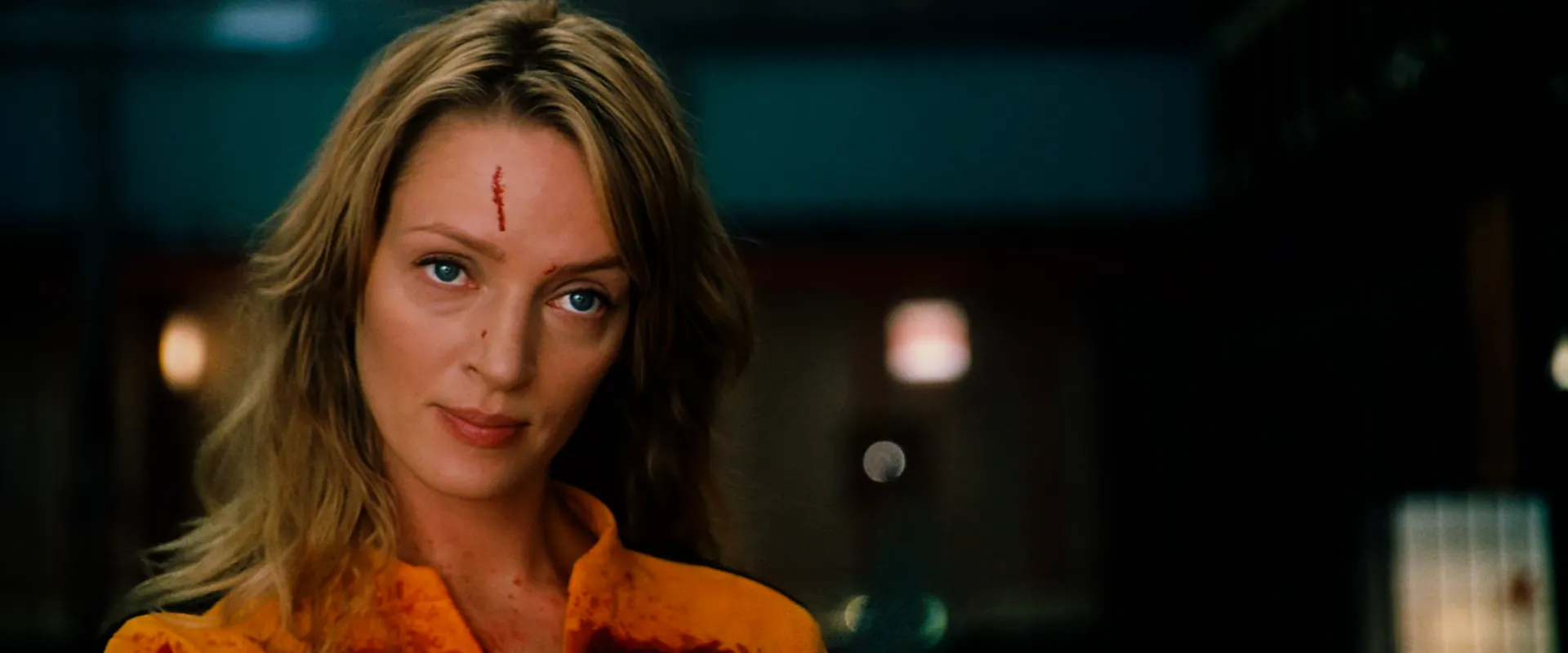
You can usually name a director by their choices. Naming a cinematographer by a single lighting move is rarer. Robert Richardson is the exception — put almost any frame he shot in front of a room full of DPs and someone will call it before the dialogue starts. There's a hot, hard source sitting high in the frame, the highlights are pushed past the point most people would panic and pull back, and the subject looks like they've been carved out of the surrounding dark. That's the tell.
Richardson has three Academy Awards for Best Cinematography — JFK in 1991 for Oliver Stone, then The Aviator (2004) and Hugo (2011) for Martin Scorsese — and ten nominations across a career that started in Stone's war pictures and runs straight through Quentin Tarantino's filmography. He's one of only a handful of people to win the cinematography Oscar three times. And the thing that makes the Robert Richardson cinematography style so easy to spot is that he found one bold idea early and refused to be embarrassed by it.
The top light, and why it shouldn't work
The move most people mean when they say "a Richardson shot" is the top light: a hard, often overhead or three-quarter-back source, dialed hot, aimed so it rakes across the top of the head and shoulders and rims everything it touches. The blonde hair goes incandescent. The forehead and cheekbones bloom. On paper this is a mistake — you're clipping detail, blowing out skin, letting a light source dominate the frame instead of hiding it.
He does it on purpose, and it reads as style rather than error for a specific reason: he controls the fill. A raw hot backlight alone would just silhouette someone. Richardson bounces the spill back into the face — off a white card, a tabletop, a sheet of muslin, sometimes another actor's shirt — so the front of the face stays readable while the top and rim scream. The tension between a blown-out halo and a still-legible face is the whole trick. It's not sloppy exposure. It's two exposures living in one shot.
Reach for the gear list and it's less exotic than the look suggests: big hard units — Maxi Brutes, Pars — pushed hard, often with a Tiffen diffusion filter on the lens to bloom the highlights into that soft glow instead of a hard clipped edge. The filter is doing a lot of the signature. It takes an overexposed hot spot and makes it feel like light rather than a blown pixel.
Stone taught it, Tarantino ran with it
The style was forged in Oliver Stone's cutting room and on his sets. Starting with Salvador and Platoon in 1986 and running through Wall Street, JFK, Natural Born Killers and Nixon, Richardson learned to light aggressively for a director who cut aggressively — mixed stocks, mixed formats, high-contrast frames that could survive being intercut with archival footage and hard graphic cuts. When you're building images for that kind of assembly, a soft naturalistic look disappears. A hot top light does not.
Then Tarantino handed him a stage where the artifice was the point. From Kill Bill onward — through Inglourious Basterds, Django Unchained, The Hateful Eight and Once Upon a Time in Hollywood — Richardson stopped pretending the light was motivated by a window or a lamp. The blast of top light on Uma Thurman's hair in Kill Bill isn't coming from anywhere in the room. It's coming from the movie itself.
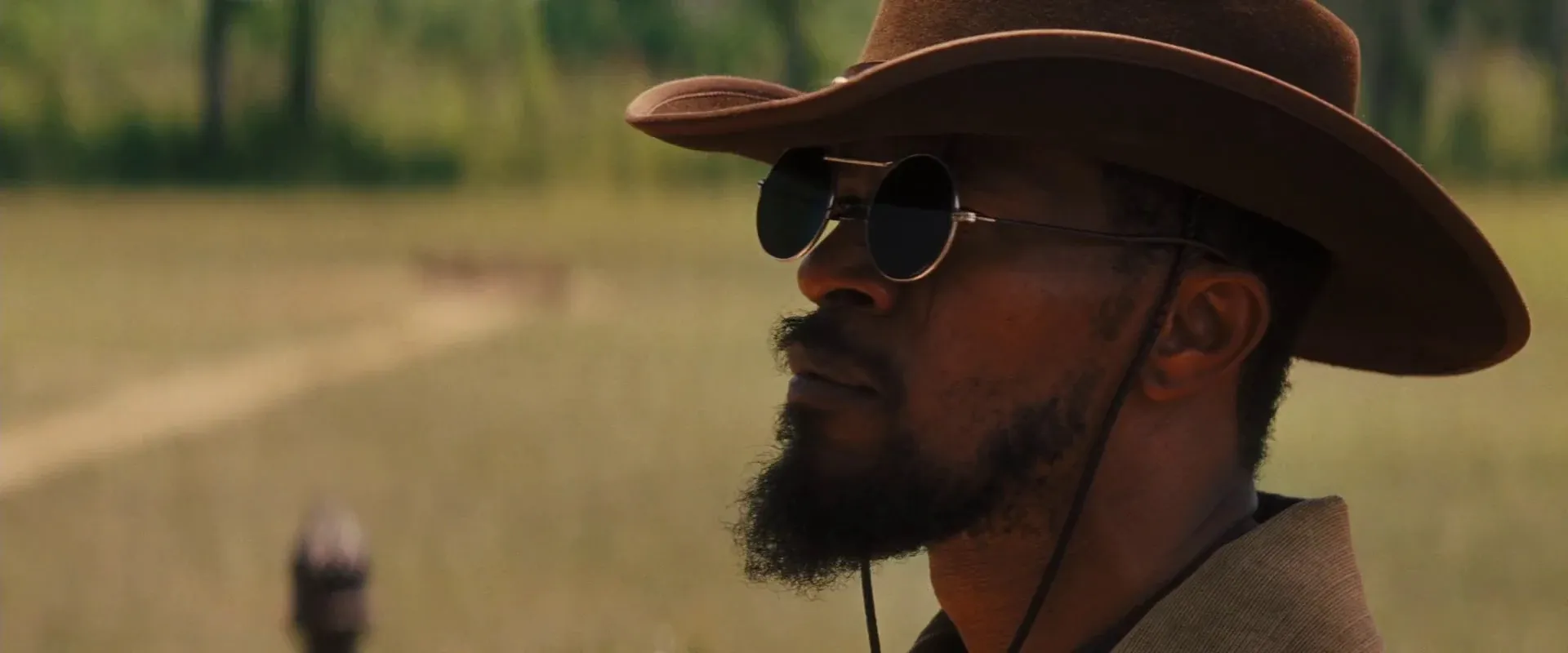
Watch what the light does under a hat. A wide-brimmed cowboy hat should kill a face — it's a built-in topper that throws everything below the brim into shadow. Richardson turns that into a feature. He gets a hot source above and behind, then kicks bounce up from below so the underside of the brim glows and the face reads in the pocket of shade it creates. In Django and The Hateful Eight that uplit-under-the-brim look gives the characters a slightly unreal, iconographic weight — they stop being men in hats and start being figures on a poster.
The same idea, turned quiet
It would be easy to file Richardson under "big and loud" and stop there. His Scorsese work argues otherwise. The instinct — one strong source, deep shadow, no apology for the contrast — is the same, but the volume changes.
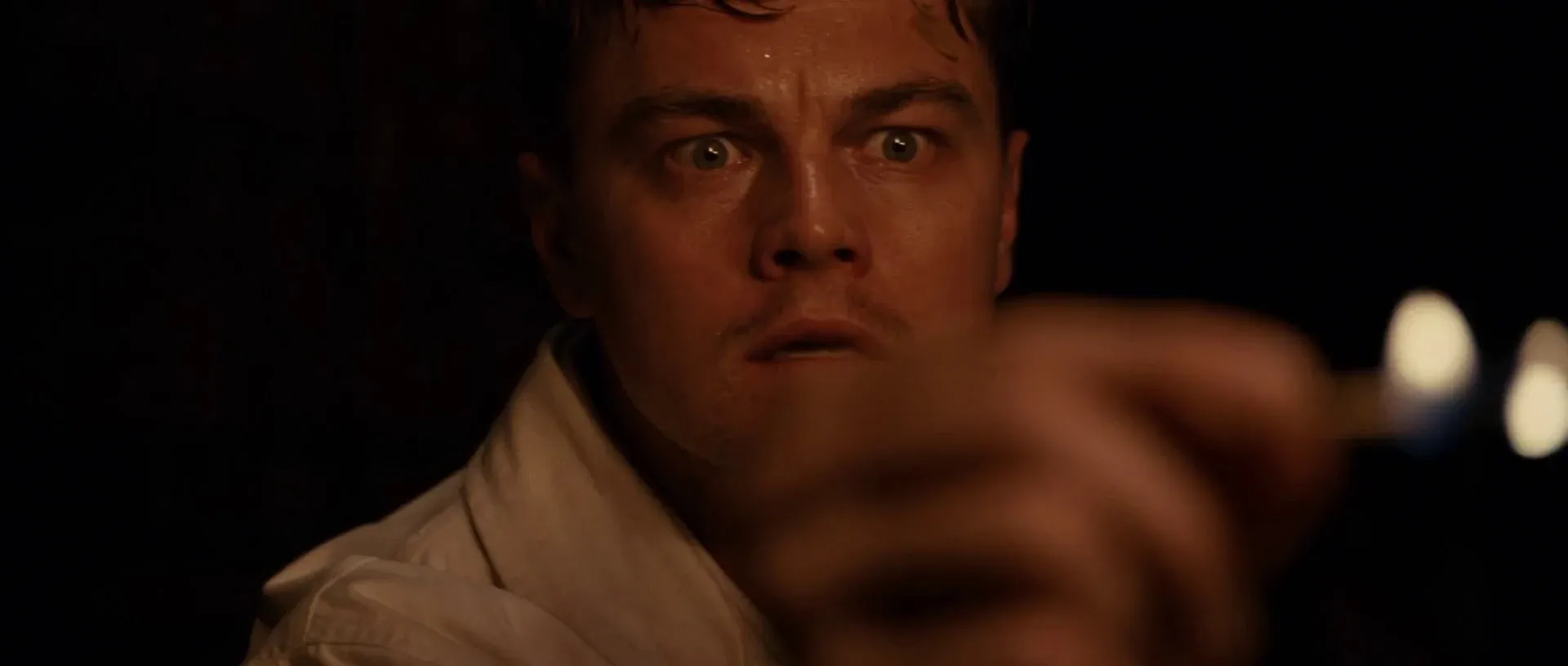
In Shutter Island he lets faces fall into near-total black and holds a single warm pool of light on an eye, a brow, a mouth. It's the top-light philosophy inverted: instead of a hot halo carving a subject out of darkness, it's darkness swallowing everything except the one thing he wants you to see. Same conviction that a frame can commit hard to one source and be stronger for it. This is the through-line worth stealing — not the specific fixture, but the willingness to let most of the frame go dark so one area can carry all the weight. If you want the naturalistic end of that same single-source discipline, it's close cousin to building a whole scene out of practical lights and nothing else.
That refusal to hedge is what puts him in rare company. He belongs on the short list with Vittorio Storaro, who treats color as an actual language — DPs who decided early that a signature is worth more than invisibility, and then spent decades earning it. You don't hire Richardson for restraint. You hire him because he'll commit to a look and make the commitment feel inevitable.
Stealing it without cosplaying it
If you want to borrow from this, don't start with the fixture. Start with the decision: pick one source, make it hard, and let it dominate. Then solve the face — a bounce card, a table, a wall, whatever kicks enough light back so the eyes read. The gap between a hot rim and a legible face is the entire style, and it's the part most people skip when they try to copy the look off a single still.
Which is exactly why the still matters. You can't reverse-engineer a lighting move from a memory of it — you need the frame in front of you, at size, where you can actually see where the halo lands, how far the fill reaches, where the shadow line falls across the cheek. Pulling real Richardson frames into a reference board next to your own lighting diagrams turns "I want that Kill Bill look" into a plan the gaffer can actually rig — which is the whole reason a visual reference library sits right next to the shotlist in StillsLab, instead of dying in a folder nobody opens on shoot day.
How did you like this article?
Login to react to this article
Discussion (0)
💬 No comments yet. Be the first to share your thoughts!