How to Use Movie Stills as Lighting Reference on Set
Use movie stills as lighting reference on set: read a frame's direction, quality, and ratio, then build a library you can actually search.

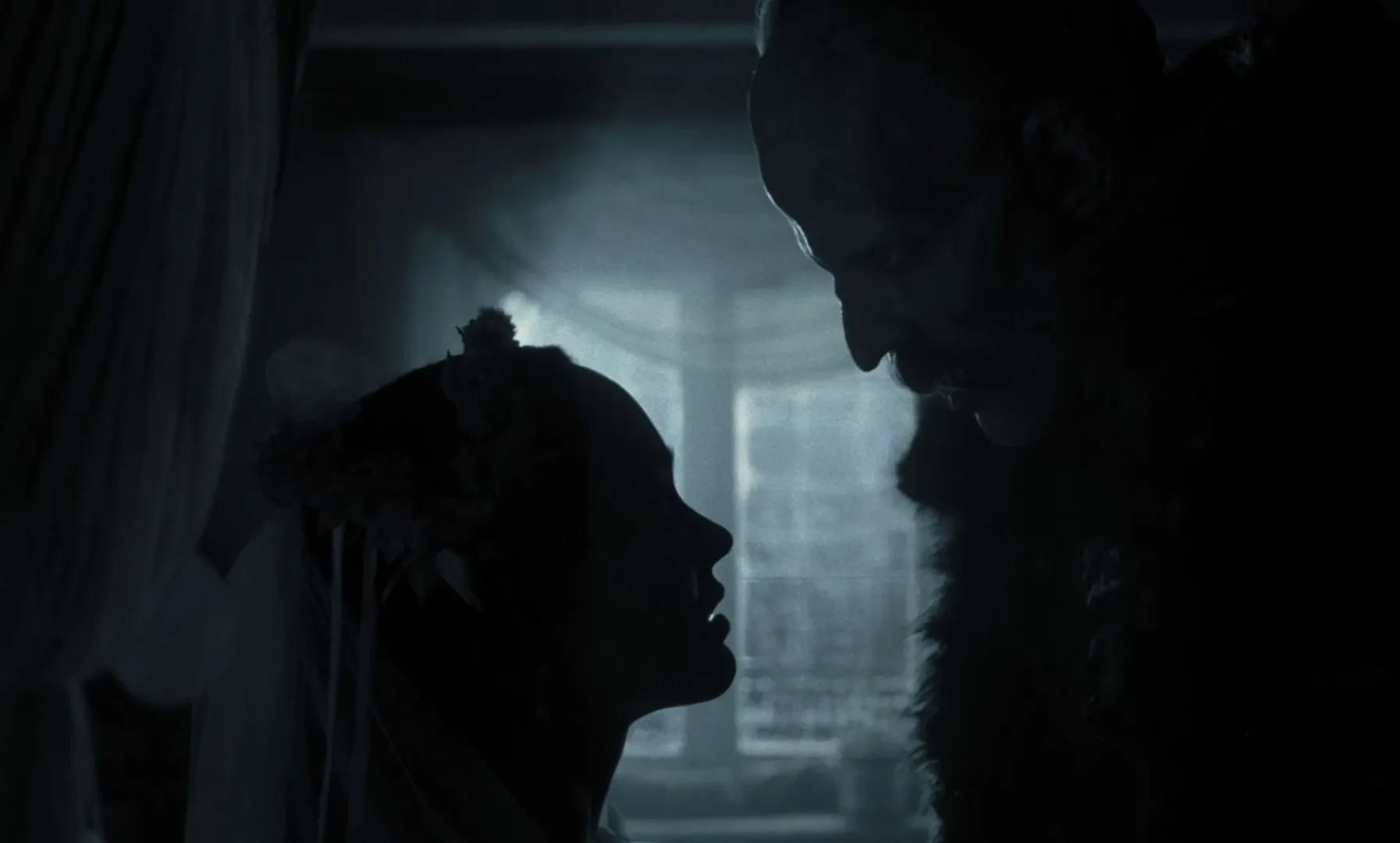
A director hands you a frame from a movie and says, "Make it look like this." No lighting diagram, no gear list, no note about what time of day it was or how many units were rigged just out of frame. Just the image. Working out how that light got made, and whether you can rebuild it on your day rate, is one of the quiet skills that separates a DP who can talk about lighting from one who can actually put it on the wall.
Using movie stills as lighting reference means reverse-engineering a frame: reading the direction, quality, and contrast ratio of the light, working out what motivated it, then translating that into a setup you can rig. A still won't hand you the recipe. But a trained eye reads most of it straight off the image, and a well-organized set of reference frames makes that read faster for everyone standing around the monitor.
What a Still Actually Tells You — and What It Hides
Shadows are the honest part of any frame. Where they fall tells you the direction of the key. How hard their edges are tells you the relative size of the source — a crisp, black-edged shadow came off something small and far away, while a soft shadow that fades into the skin came off something big and close. The depth of the shadow, the gap between the brightest highlight and the darkest fill, is your ratio. Catchlights in the eyes will often show you the shape of the source and roughly where it sat. Skin tone against a neutral wall gives you a read on color temperature.
That's a lot to pull from one image. Here's what the still won't tell you, and where filmmakers get burned trusting one too literally:
- Unit count. A look that reads as one soft window could be a 12x12 diffusion frame with three units punching through it. The image flattens all of that into a single quality of light.
- Negative fill. Half of what makes a dramatic frame work is the black flags you can't see, pulling light off the shadow side. Reference stills almost never reveal the subtractive side of the setup.
- The grade. This is the big one. A still is the end of a long chain: lens, stock or sensor, then a colorist in a DI suite months later. Two setups lit identically on the day can look nothing alike after the grade. When you pull a frame from a finished film, you're referencing a decision that was half-made in post.
Treat a still as evidence, not instructions. It tells you the intent. You still have to do the forensics.
Read the Frame Like a Gaffer
Run every reference through the same four questions, in order: direction, quality, ratio, motivation.
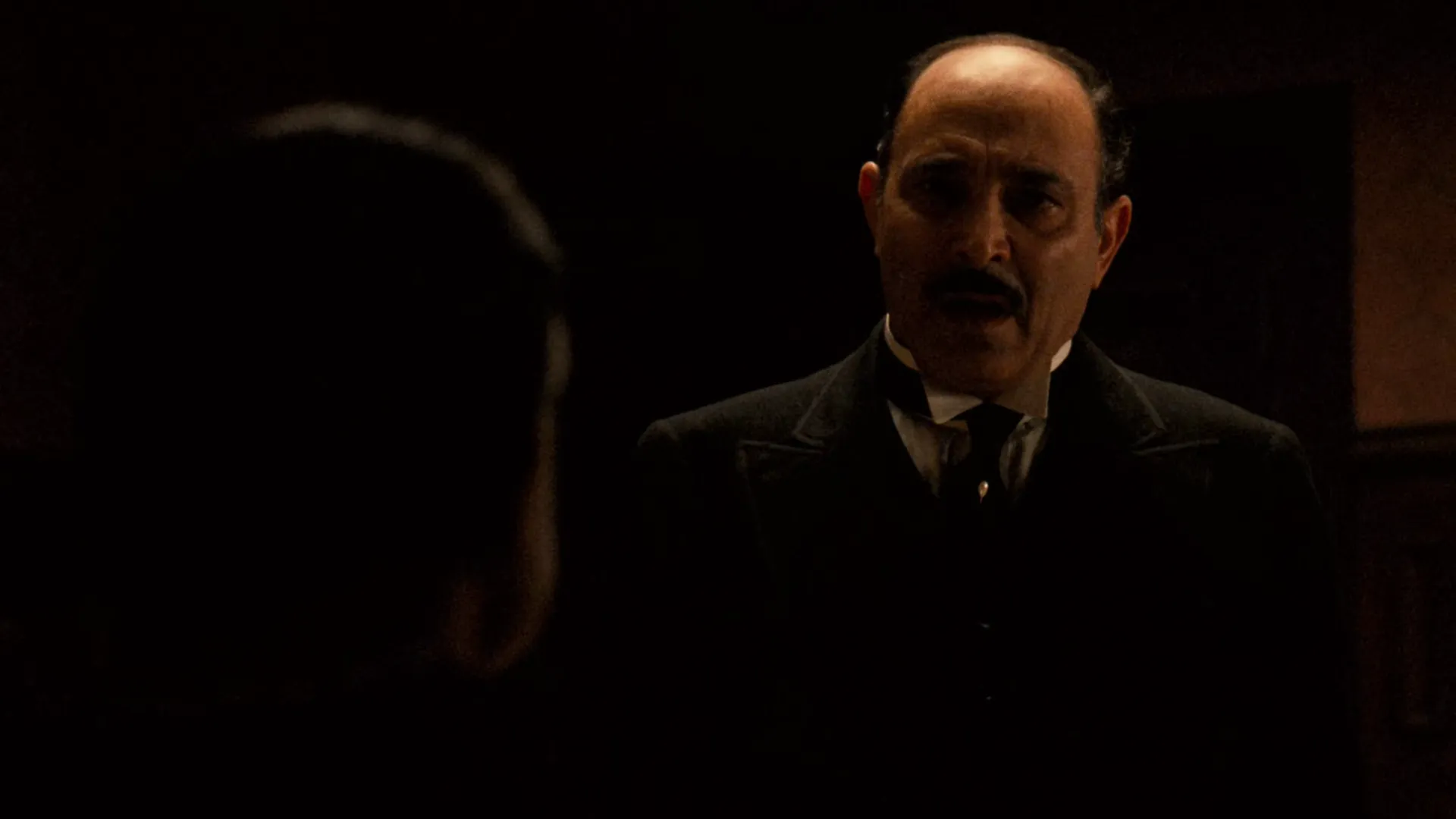
Take Gordon Willis on The Godfather. His frames are a masterclass because the lighting is doing story work you can see in a single still: hard toplight dropping Marlon Brando's eyes into shadow, faces going darker as characters sink further into the family business. Willis was among the first to shoot at very low light levels with near-absolute blacks, underexposing deliberately where other DPs would have panicked (No Film School). Conrad Hall reportedly nicknamed him the "Prince of Darkness" for it. If you only copied the direction and quality of that toplight without asking why the eyes are dark, you'd get a technically similar frame that means nothing.
That last question — motivation — is the one worth chasing. Direction and quality tell you how to rig. Motivation tells you whether the look will survive contact with your actual scene.
Motivation Is the Part You Can Actually Steal
You usually can't copy the gear behind a great frame, and you shouldn't try. What you can lift is the reasoning.
Barry Lyndon is the classic trap. John Alcott and Stanley Kubrick shot interiors by candlelight using Zeiss Planar 50mm f/0.7 lenses originally built for NASA's Apollo program — Kubrick bought three of the ten ever made (American Cinematographer). You are never renting those lenses. But strip the legend away and the reference is really about a single warm source, low and soft, wrapping the face and falling off fast into the room. That you can approximate with a china ball and some restraint. The frame is worth keeping; the hardware isn't the point.
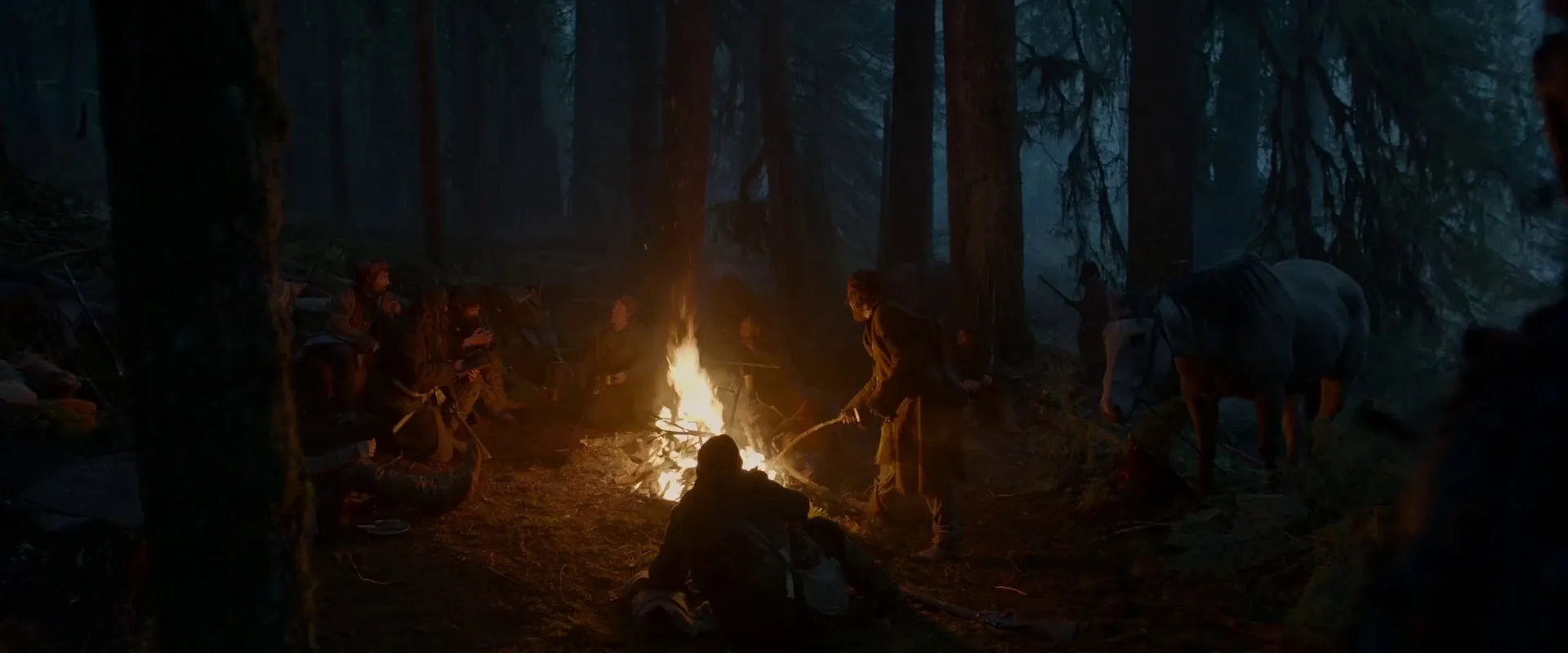
Same lesson, opposite method, on The Revenant. Emmanuel Lubezki shot almost the entire film in available light, with barely a scene lit artificially beyond one campfire sequence (Variety). The "reference" there isn't a lighting setup at all — it's a discipline: find the window or the sky you already have and build the blocking around it. Deakins and Villeneuve went the other way on Blade Runner 2049, shooting practicals and in-camera effects wherever they could rather than fixing it later, work that finally won Deakins his first Oscar (American Cinematographer). Three completely different frames, three different answers to the same question — where is this light supposed to be coming from, and how do I make the audience believe it.
When you save a reference, save the intent next to it. "Single hard toplight, motivated by an overhead practical" is a note you can act on. A pretty screenshot with no annotation is just a screensaver.
Build a Lighting Reference Library That Survives Set
The reference that helps at 6 a.m. on a location is the one you can find in ten seconds. That means organizing by the problem, not by the movie.
File and tag by what you'll search for under pressure: direction (toplight, side key, backlit), quality (hard, soft, single-source), mood (high-key, low-key, naturalistic), and situation (car interior, night exterior, office fluorescents). When the director says "make it look like this," you want to answer with three more frames that hit the same note from films you both know, so the conversation is about a shared picture instead of two people describing light with their hands. That shared frame is also what keeps the gaffer, the director, and you from quietly imagining three different setups — which is the same reason a strong visual reference library built before the shoot is worth the pre-production hours. Studying one cinematographer's frames in a batch — the way you can pull Hoyte van Hoytema's Nolan work into a single view — trains the read faster than looking at one image at a time.
Pull the frames themselves from a source that lets you search by film, scene, or look instead of scrubbing through your own screenshots folder — which is exactly what StillsLab's stills library is built to do, so the reference you need is a search away when the director asks for it on set.
How did you like this article?
Login to react to this article
Discussion (0)
💬 No comments yet. Be the first to share your thoughts!