David Fincher's Cinematography Style: Precision as a Weapon
Four films, one obsession: control. Here's how Fincher turns restraint into dread.

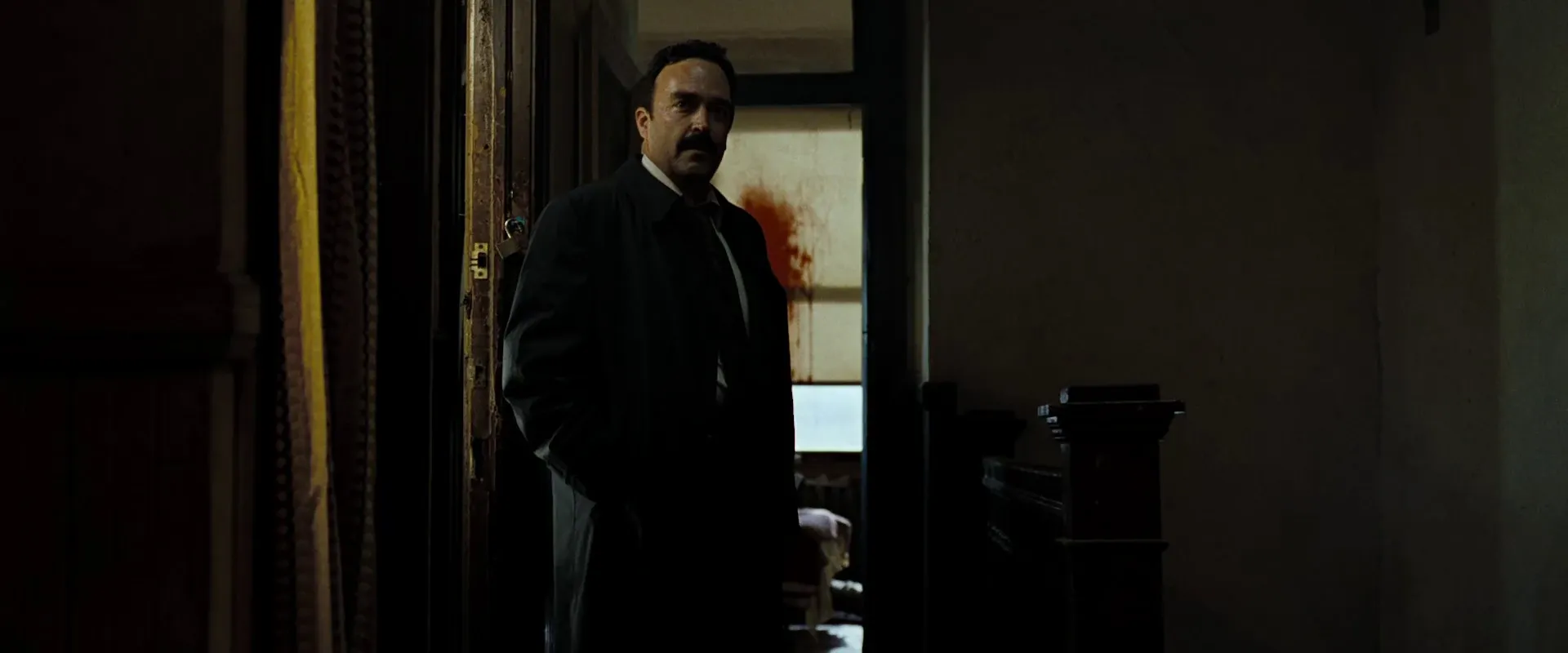
Watch a Fincher film with the sound off and you start noticing what isn't there. No handheld camera hunting for a moment. No whip-pans, no lucky coverage grabbed on the day and rescued in the edit. Every frame looks decided long before anyone rolled — because it was.
That's the whole thing. David Fincher's cinematography style is built on control: locked-off frames, camera moves motivated to the inch, and a clean image that refuses to hide anything from you. He shoots take after take to pull chance out of a performance, and he lights so the room does half the acting. The payoff is a very specific unease — the feeling that someone has been watching this scene, and thinking about it, far longer than you have.
Precision starts in the frame
Go back to Se7en (1995), shot by Darius Khondji. The look everyone remembers — the crushed, inky blacks, the rain that never quite lets up — came out of a bleach-bypass process (Khondji called it CCE), where silver is left in the emulsion instead of being washed out. It deepens the shadows and drains the color until the whole city feels like it's rotting. Khondji underexposed hard and let the darkness eat most of the frame.
None of that works if the camera is restless. A soft, searching handheld shot would fight the composition. So Fincher and Khondji nailed things down: the darkness is a decision, and the frame holds still long enough for you to sit in it. That combination — a punishing image and a camera that refuses to flinch — is the foundation everything else is built on.
The camera moves, but you're not supposed to notice
Fincher isn't allergic to movement. He's allergic to movement that calls attention to itself. Most of his shots are on a tripod or a dolly, and when the camera does move, it's rehearsed until the shake is gone. The move tracks the actor — a character leans in, the camera creeps with them; a small shift in a performance motivates a small tilt. You feel it before you see it.
That's the opposite of the modern instinct to shoot loose and "find it" in the cut. Fincher decides the geography first, then repeats it. It's also why his reputation for shooting dozens of takes makes sense: if the frame is fixed and the blocking is exact, the only variable left is the performance, so that's what he hammers on.
Coverage built like architecture
Look at the dialogue scenes in The Social Network (2010), shot by Jeff Cronenweth on the RED One. The deposition rooms are almost aggressively symmetrical — people squared up to the lens, backgrounds balanced, eyelines locked. Nothing drifts.
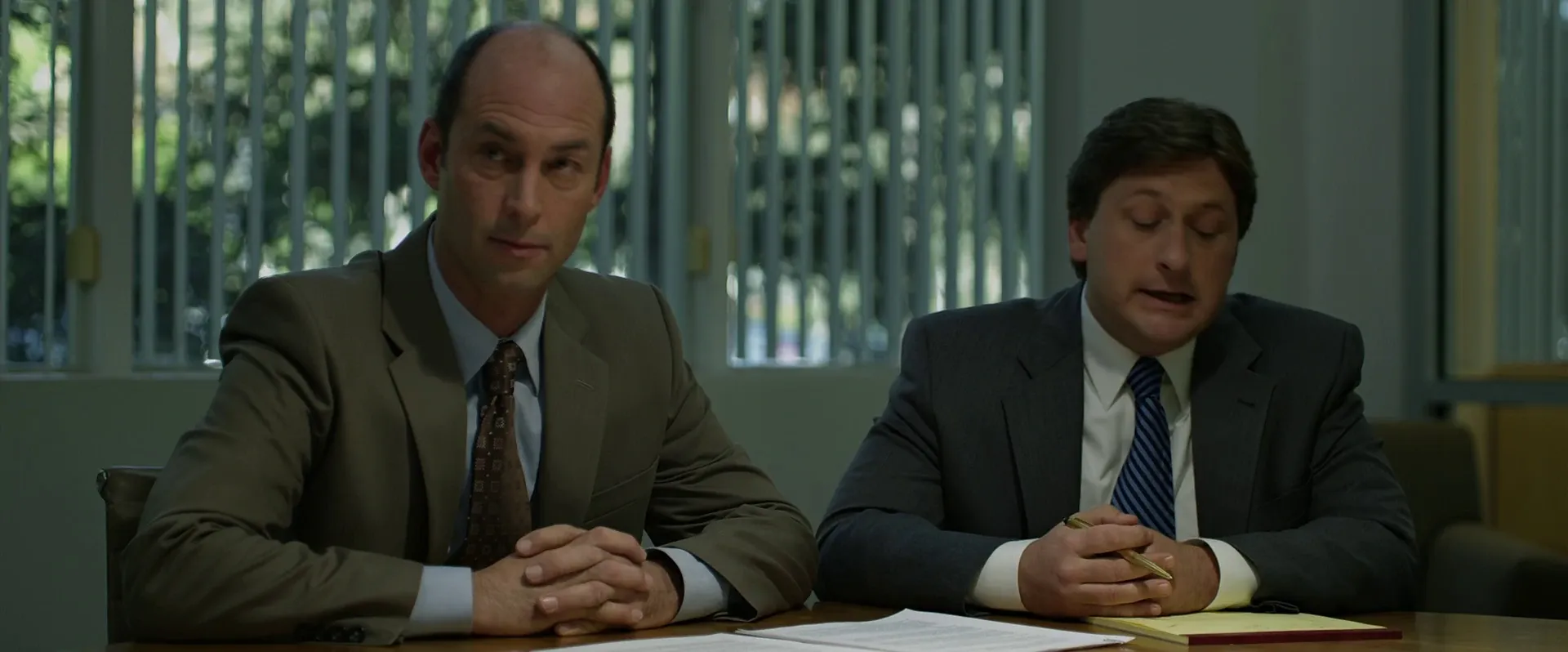
This is coverage designed like architecture instead of gathered like footage. Every setup has a job and a place, and because the frames are so controlled, cutting between them feels less like editing and more like snapping bricks into a wall. It reads as clinical, which is exactly the point in a film about people who treat other people as data. The precision is the characterization.
Why Fincher went digital
Fincher was one of the first big-studio directors to walk away from film entirely. Zodiac (2007), shot by Harris Savides on the Thomson Viper FilmStream, was the first major-studio feature captured and cut digitally without tape or compression — a genuine line in the sand at the time.
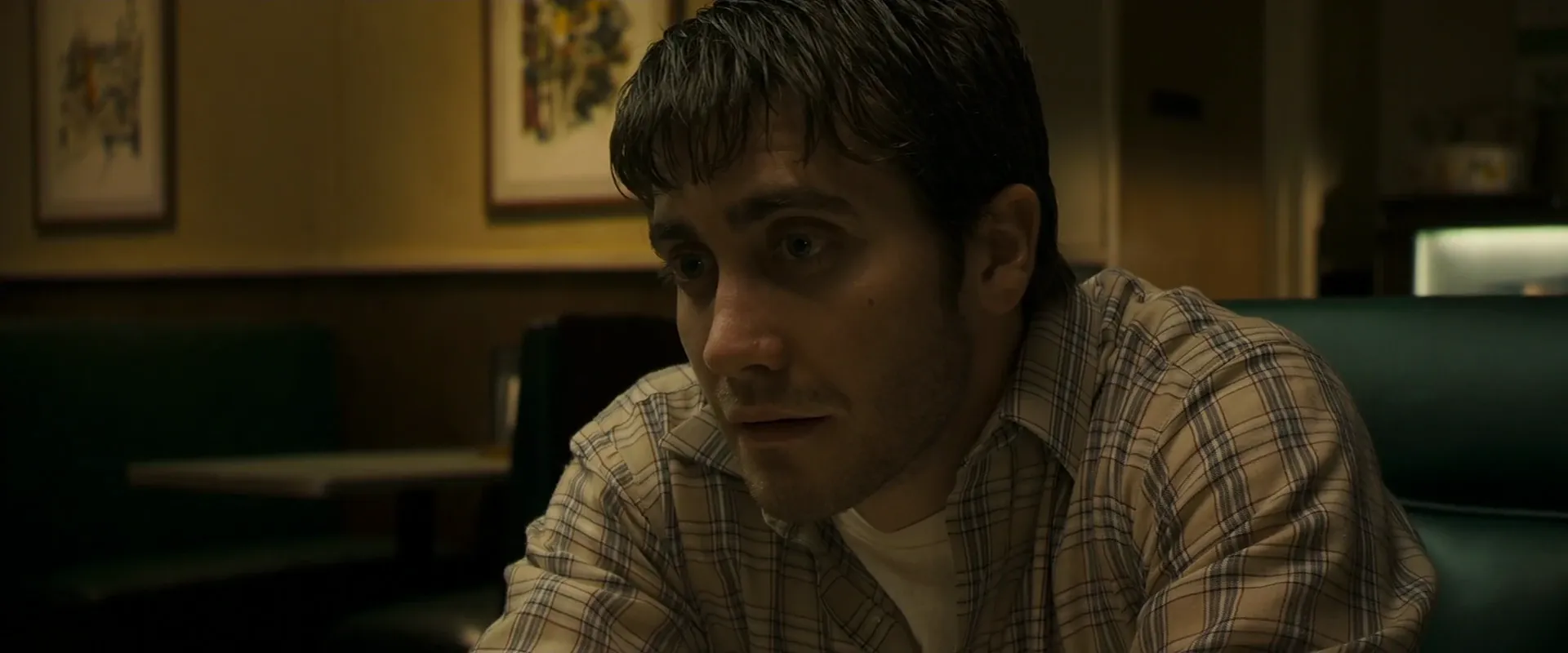
The reason is consistency. Digital gave him a repeatable image across the endless takes, cleaner shadow detail, and far more room to push exposure and grade in post without the frame-to-frame variation of a photochemical process. For a director whose entire style is about removing variables, that wasn't a gimmick — it was the tool that finally matched how he thinks. He went from the Viper to the RED One on The Social Network and kept climbing from there.
The cold polish of Gone Girl
By Gone Girl (2014), Cronenweth and Fincher shot the entire feature in 6K on the RED Epic Dragon — the first film captured start to finish at that resolution. All that resolution buys a very Fincher thing: nothing softens, nothing forgives. The suburban interiors are lit clean and even, the color pushed toward a cold, slightly sick cast.
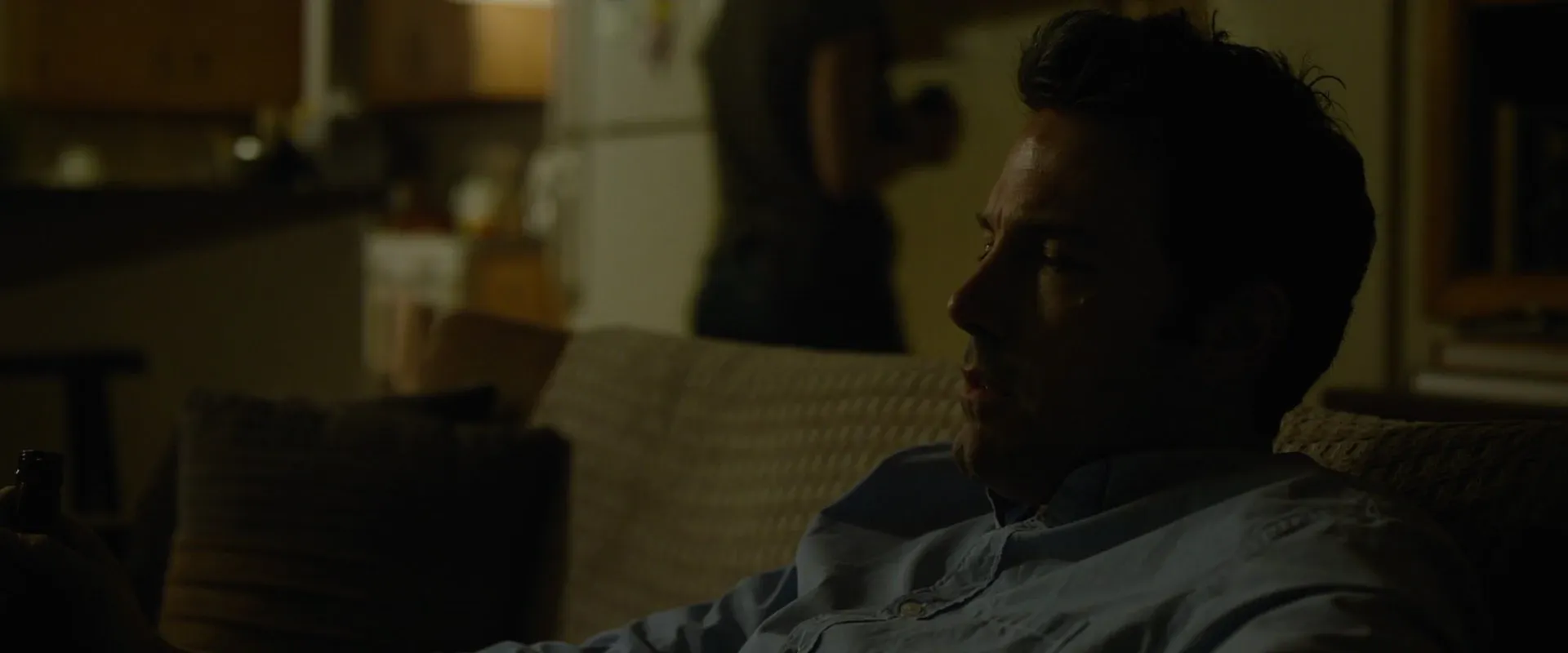
A messier image would let the audience relax. Fincher won't allow it. The polish keeps you at arm's length, staring at a marriage the way a forensics tech stares at a stain — which is precisely the discomfort the story is going for. Control isn't the absence of style here. It is the style.
Stealing from the discipline
You don't need a 6K sensor and sixty takes to borrow what Fincher is actually doing, which is deciding the image before the day instead of discovering it during. Lock your key frames on paper. Know why the camera moves before you tell it to. Treat coverage as a structure you're building, not footage you're collecting.
That's easier when your references live in one place instead of scattered across bookmarks and group chats. Pulling exact frames — the Khondji shadows, the flat Social Network symmetry, the clinical Gone Girl palette — into a visual reference library and hanging them on your shotlist means your DP and director are arguing about the same picture, not two different memories of one. Precision as a style has to start somewhere. It usually starts before anyone shows up on set.
How did you like this article?
Login to react to this article
Discussion (0)
💬 No comments yet. Be the first to share your thoughts!