Bradford Young: Shooting in Shadow and the Case for Underexposure
A light meter reads his frames as a mistake. Look closer and it's the most deliberate call on the set.

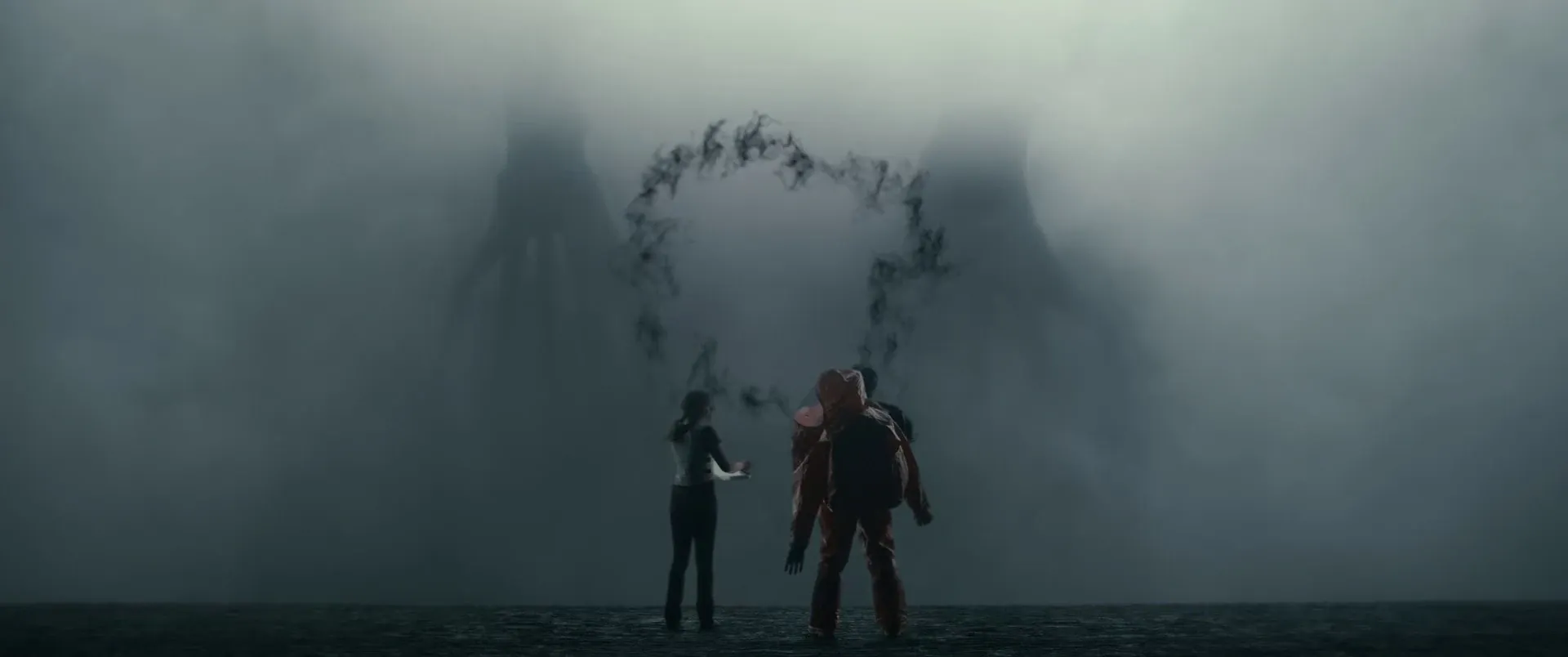
Point a light meter at a Bradford Young frame and it will tell you the shot is a stop or two under. He already knows. That reading is the entire point.
Most of what people call Bradford Young cinematography underexposure isn't a mistake the colorist saved later — it's a decision made at the lens, on the day, with the meter reading "wrong" on purpose. Young pulls the exposure down not to hide the image but to hold onto something a correctly-exposed frame tends to wash away: the actual color and weight of skin, especially darker skin, in the room's real light.
Underexposing to protect the skin, not the meter
Young has been blunt about the mechanic behind the look. "Once that bounced light reaches your light meter, it's technically 'underexposed,'" he's said of his approach, "but really what we're doing is decreasing the light so we can increase the richness of the skin tone." Read that twice, because it inverts the reflex most of us are trained into. The instinct on set is to add light until the meter is happy. Young does the opposite: he takes light away until the skin looks like skin.
That matters most with the faces Hollywood spent decades lighting badly. Film stocks and default lighting setups were built around a lighter reference point, and the usual fix for darker skin was to blast more light at it — which flattens it, greys it out, robs it of the deep reds and browns that are actually there. On Selma, Ava DuVernay's 2014 film about Martin Luther King Jr. and the voting-rights marches, Young went the other way. He let the shadow do the work and exposed for richness instead of brightness. People walked out of that film saying they'd never seen Black faces photographed like that on a big screen — not lit up and floating, but sitting inside the image, reflective and present.
It's the same principle James Laxton chased on Moonlight, and if you want to see how far a single face can carry a film when the light respects it, our breakdown of Moonlight's three chapters and one face sits right next to this idea.
The available-light gamble on Arrival
Arrival (2016) is where the method met a studio-scale sci-fi and won. Working with Denis Villeneuve — who flatly calls him "a master of light" — Young shot the film mostly on the Arri Alexa XT, recording ArriRaw in Open Gate, and rated the camera at ISO 1,280. That's a high rating to commit to, and he did it precisely so he could work with less light and let some grain and texture live in the frame. Roughly ninety percent of the movie ran on two lenses, an Ultra Prime 28mm and a Super Speed 35mm, wide open at a constant T1.9.
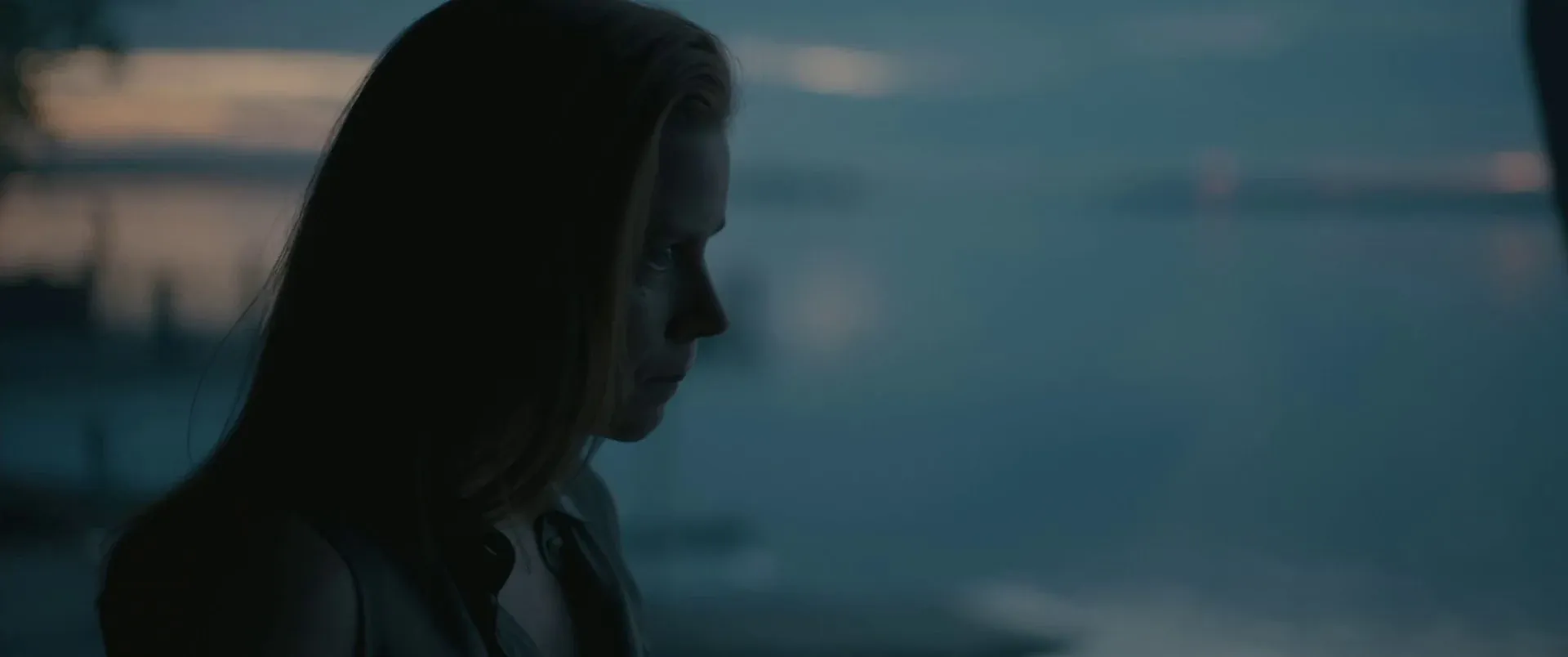
Wide open, high ISO, driven by available light and LED practicals hidden in the sets — that's a recipe for a nervous first AC and a nervous studio. It's also why the film feels the way it does. Faces emerge out of the murk rather than getting pinned to it. The frame above is the whole thesis in one shot: Amy Adams is barely a stop off silhouette, the dusk behind her doing more work than any key light, and she reads as completely legible anyway. That legibility-in-the-dark is the skill. It earned Young an Academy Award nomination for Best Cinematography — the first ever for an African-American cinematographer — the same instinct he'd been sharpening since his Sundance run on Pariah, Mother of George, and Ain't Them Bodies Saints.
Where the dark edge breaks: Solo
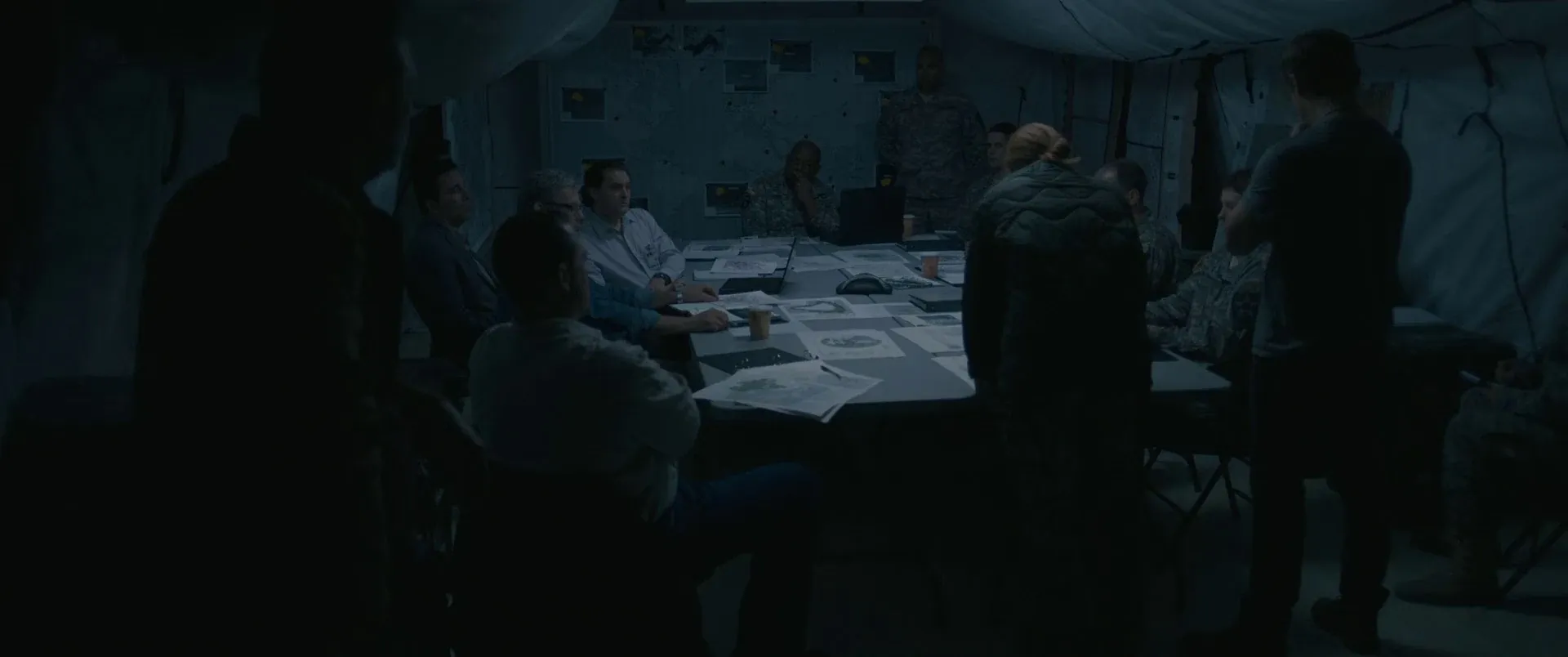
Then came Solo: A Star Wars Story (2018), and the exact same approach ran into a wall it couldn't light its way out of. Young brought his murky blues, muddy browns, and constant haze to a tentpole — a real, textured, lived-in look that most Star Wars films never risk. Opening weekend, a chunk of the audience complained they literally couldn't see it. Faces went to mud. Detail disappeared into the backgrounds.
Here's the honest part: some of that was the theaters. Critics who caught the film on a properly calibrated projector described a completely different, gorgeous movie than the one playing in a dim multiplex with an underpowered bulb. When you expose for a strong backlight and let faces fall to the dark edge of the sensor, you're handing the last mile of your image to the exhibitor — and a lot of them dropped it. But some of it was the choice itself. Push far enough into underexposure and you leave no margin; there's no headroom left for a weak projector, a bad transfer, or a phone screen. The richness that reads as depth in a grading suite reads as a broken bulb at the mall.
That's the real lesson in Young's work, and it's not "shoot dark." It's that exposure is a negotiation with everything downstream of the sensor — the grade, the delivery, the screen it finally lands on. Restraint with light is powerful, the same way Deakins built a career on light and restraint, but restraint only works when you know exactly how much room you've got.
Stealing the technique without the horror stories
You don't need a Villeneuve budget to test this. Pull three or four Young frames, sit them next to a conventionally-lit scene, and study where the light is actually landing — how little of the face is lit, how much of the read comes from a single soft source and a lot of controlled shadow. Then take that reference to your gaffer before you commit a frame.
That's exactly the kind of thing a reference library is for. When you're building a look around underexposure, the safest place to fail is in prep — pulling stills, comparing exposures, and using movie stills as a lighting reference on set so the whole camera team is chasing the same dark edge instead of guessing at it. Save the frames that show you what "correctly underexposed" looks like, and the meter stops being the boss of your set.
How did you like this article?
Login to react to this article
Discussion (0)
💬 No comments yet. Be the first to share your thoughts!