How to Create a Filming Budget for Your Video Project
El Mariachi cost about $7,000 and still looked like a movie. The trick was never spending less — it was writing the script and the budget in the same breath.

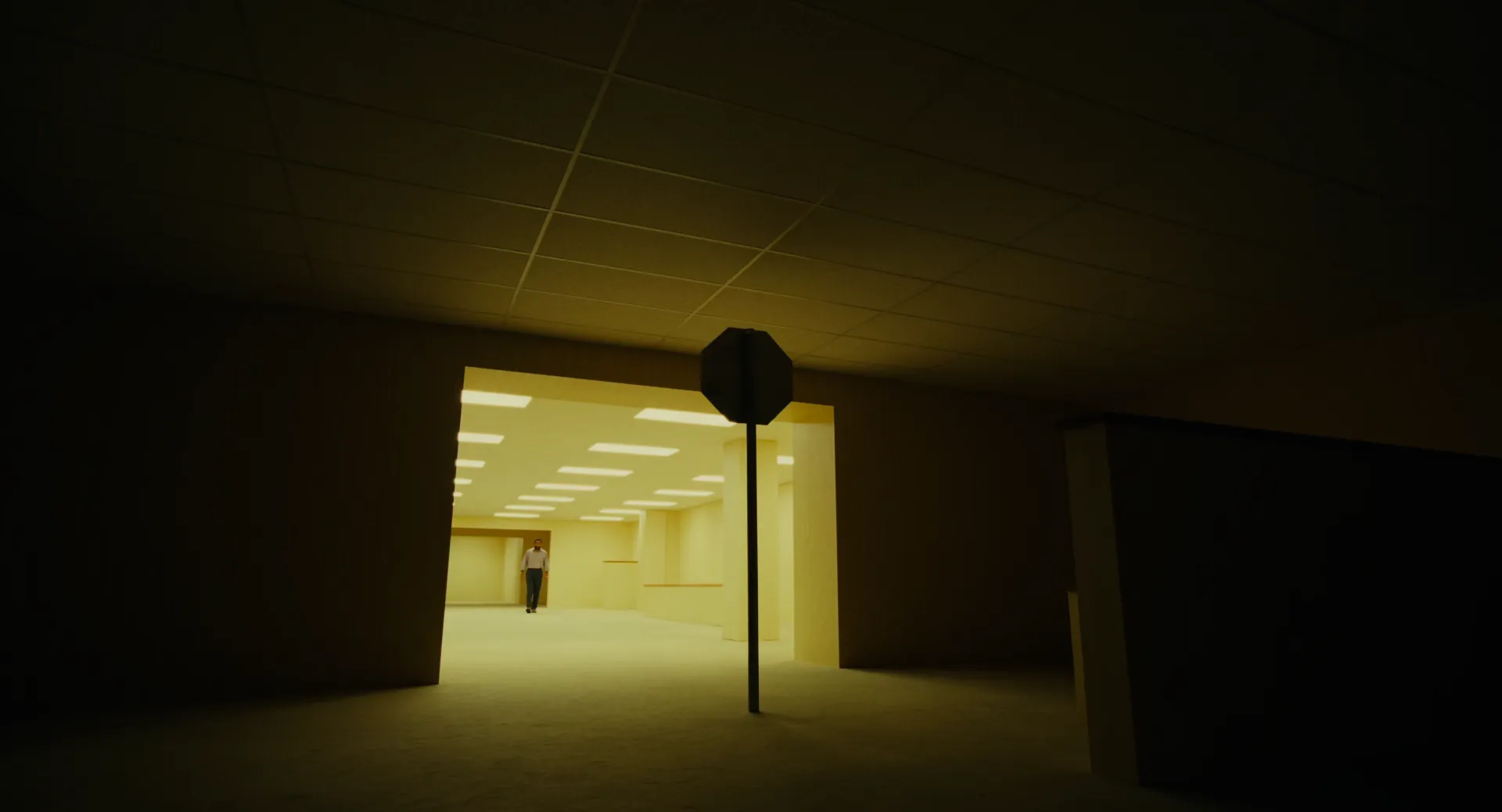
Every over-budget shoot has the same autopsy report. The money didn't vanish on the big, obvious things — the camera package, the lead, the location fee. It bled out on the small ones nobody costed: the second AC you needed for the insert day, the extra hard drives, the meals for a crew that grew by four people, the pickup shot that turned into a pickup day.
A filming budget exists to catch those before they catch you. Done right, it's not a spreadsheet you fill in after the creative decisions are made. It's the document that tells you which creative decisions you can actually afford — and it should be one of the first things you build, not the last.
What a filming budget actually is
Strip away the software and a filming budget is three buckets plus a cushion.
Above-the-line is the creative package: writer, director, producers, and principal cast. On a studio picture this is where the eye-watering numbers live. On a music video or a short, it's often you and a couple of favors.
Below-the-line is the physical shoot: crew day rates, camera and grip and electric, location fees and permits, art department, wardrobe, transport, insurance, and food. For most independent projects this is the bulk of the money, and it's where budgets quietly balloon because every line is tied to how many days you shoot and how many people you feed.
Post-production is everything after you wrap: editing, sound design and mix, color, music licensing, VFX or cleanup, and deliverables. First-timers routinely underfund this and then wonder why the finished piece feels a notch below the footage they shot.
Then the cushion: a contingency, usually around 10% of the total, that you do not touch unless something breaks. It will break.
Build it from the shotlist, not a blank page
The fastest way to write a fantasy budget is to start typing numbers into categories. The fastest way to write a real one is to start from what you're actually going to shoot.
Every shot implies a cost. A crane move implies a grip package and the time to rig it. A night exterior implies a bigger lighting order and overtime. A three-location day implies a company move, which implies you lose an hour of daylight you were counting on. When your shot list is doing its job, the budget almost writes itself, because each line already tells you what it demands from the day.
This is also where guessing gets expensive. If you don't know whether a scene is one setup or eight until you're standing on set, you can't cost it, and you can't schedule it. Lock the shots on paper and the money stops being a mystery.
Where the money really goes on a small shoot
Two line items decide the shape of a low-budget filming budget more than any other: how many days you shoot and how much you light.
Days are the multiplier. Every crew rate, every equipment rental, every catering run recurs per day, so a shoot that slips from three days to four rarely costs a third more — it costs a third more of nearly everything at once. Cutting a day by consolidating locations is usually the single most powerful lever an indie producer has.
Light is the other one. A scene you can shoot in available light is a scene that doesn't need a truck, a genny, a bigger electric crew, or the hours it takes to set all of that up.
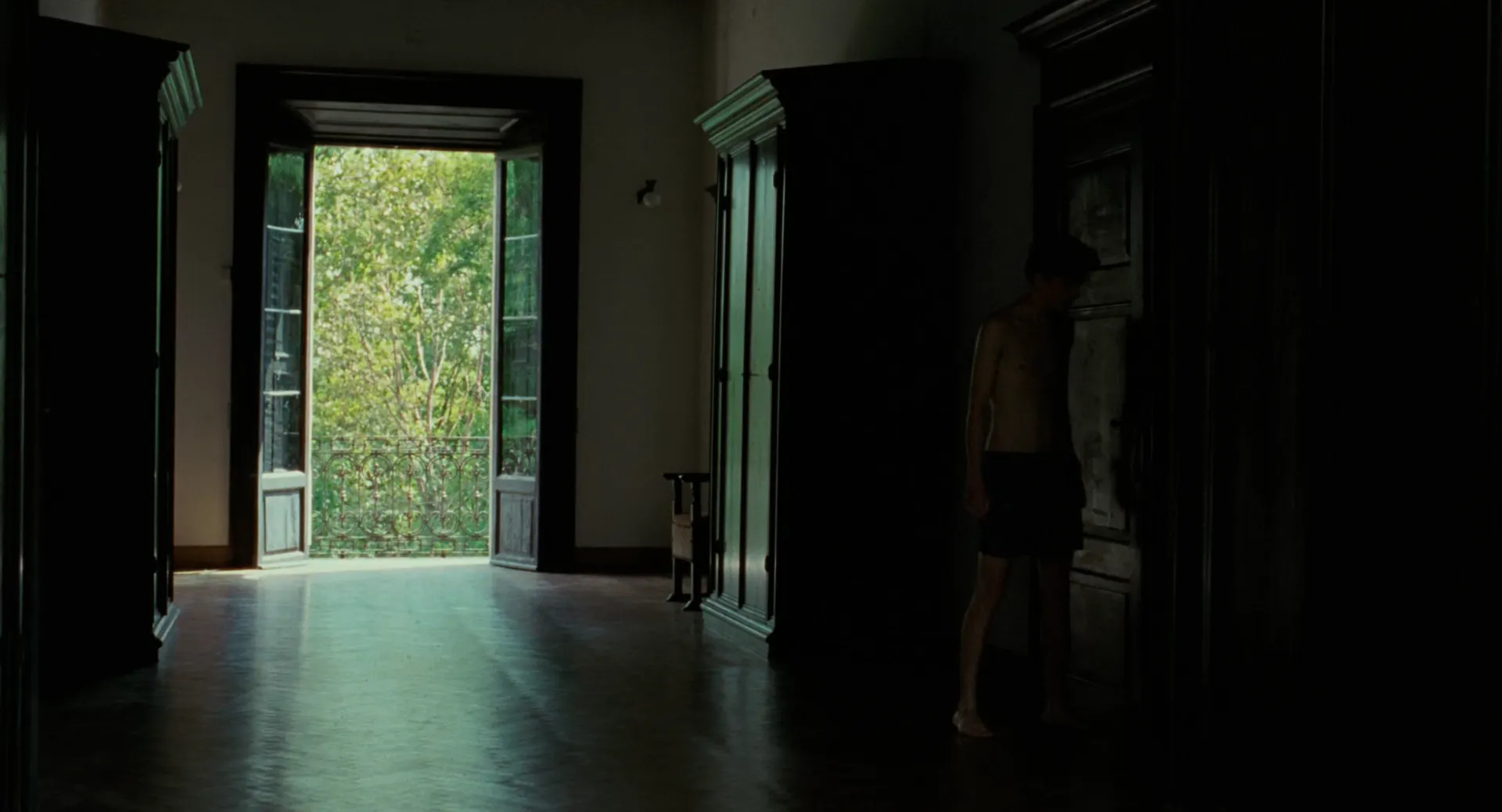
That frame from Call Me by Your Name is a window, a room, and the sun. The whole film chases that sun-drenched, window-lit feel — cinematographer Sayombhu Mukdeeprom built it to read as pure daylight even on the days the Italian weather forced him to fake it with big ARRI fixtures. On a small shoot you rarely have those fixtures, which is exactly why the cheaper path is to go get the real thing. Picking locations for the light they already have, and scheduling scenes for the hours that light is good, buys you production value you'd otherwise have to rent. If you're not sure what a location can give you, pulling references first and using stills as lighting reference will tell you long before the truck is booked.
Constraint is a budgeting tool, not a punishment
The films that get taught in every micro-budget seminar didn't succeed despite tiny budgets. They were built around them.
Robert Rodriguez shot El Mariachi for roughly $7,000, on 16mm, in about two weeks, with a largely non-professional cast in a Mexican border town. He wrote the story to fit what he could get for free — a turtle, a bar, a bus, a friend's ranch — and the film won the Audience Award at Sundance before Columbia picked it up.
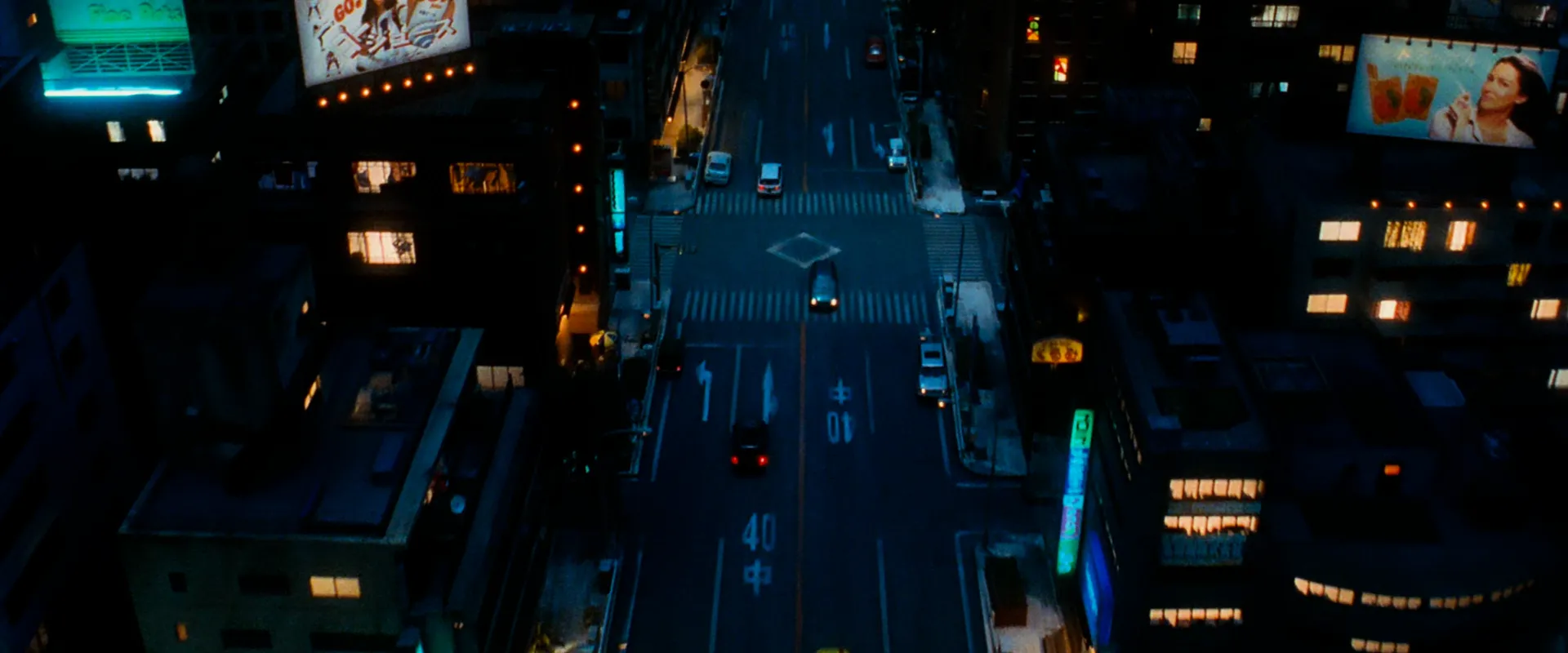
Shane Carruth made Primer for about $7,000 with a crew of five, spending most of the money on film stock and shooting in the offices and garages he already had access to; it took the Grand Jury Prize at Sundance in 2004. And Sean Baker shot Tangerine for around $100,000 on three iPhone 5S phones with an anamorphic adapter and the FiLMIC Pro app, turning a hardware limitation into the film's whole restless, street-level identity.
None of that is an argument for being cheap. It's an argument for writing the budget and the script in the same breath — deciding what you can afford, then designing something that lives inside it and looks intentional rather than starved.
Don't forget the invisible lines
Two categories sink first-time budgets because they don't show up on screen.
The first is the cost of paying people. Wages are only part of it — payroll taxes, and union fringes where they apply, can add a fifth or more on top of every day rate. Budget the gross, not the day rate.
The second is everything that protects the project: production insurance, a location or errors-and-omissions policy if you're heading for distribution, and clearances for any music or trademark you didn't originate. These feel skippable right up until the moment they aren't.
Add your contingency on top of all of it, and treat it as sacred. A 10% cushion isn't padding — it's the difference between a rain day being an inconvenience and a rain day being the end of your shoot.
Start your next budget the same day you start your shot list, not the week before you shoot. When the two documents are built together — each shot priced, each price tied to a real decision about light, days, and people — the number at the bottom stops being a hope and becomes a plan. Keeping your shots and your references in one place, next to the budget they drive, is how you keep that plan honest from prep all the way through the wrap.
How did you like this article?
Login to react to this article
Discussion (0)
💬 No comments yet. Be the first to share your thoughts!