Emmanuel Lubezki: Natural Light and the Unbroken Take
Three Best Cinematography Oscars in a row, built on refusing to fake a single lamp — and the relentless prep that refusal quietly requires.

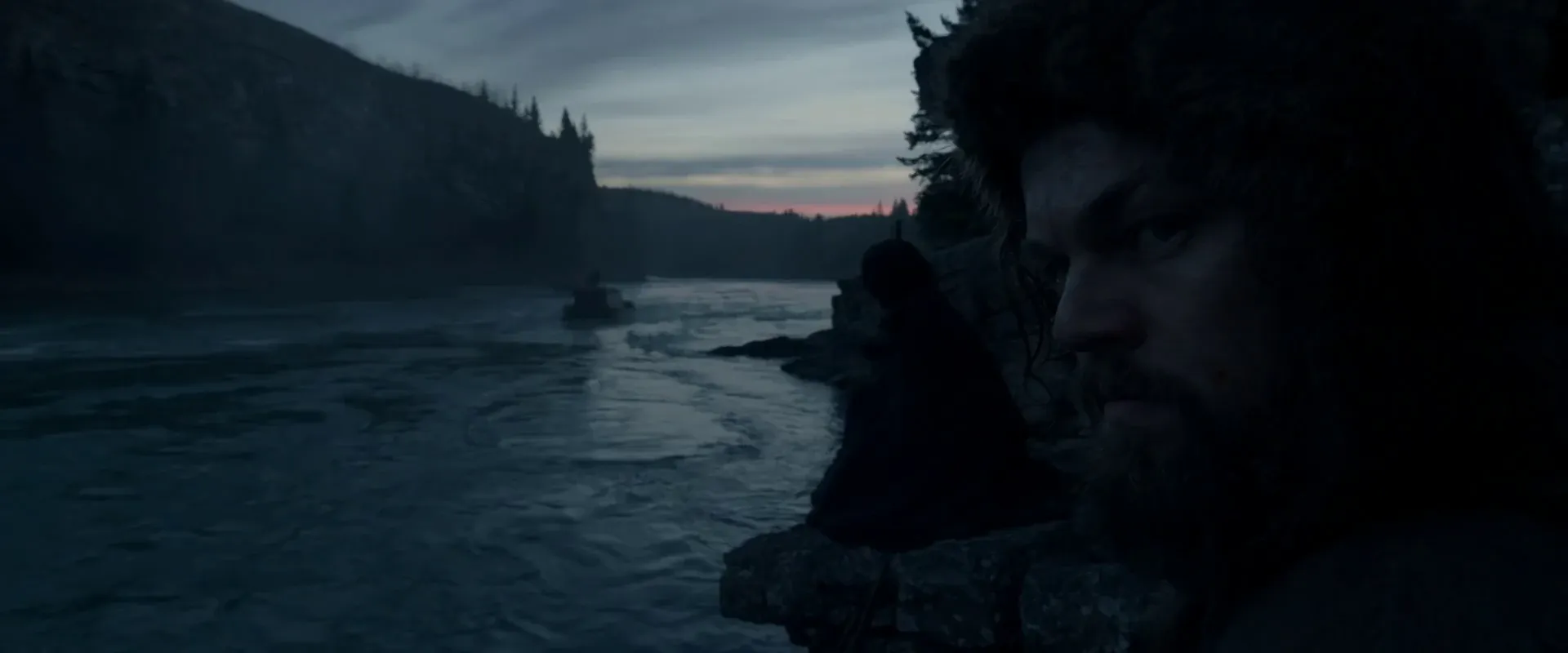
On The Revenant, the crew got maybe 90 minutes of usable light on a good day. They shot in sequence, deep in the Canadian and Argentine wilderness, and when the sun slid behind the ridgeline they wrapped — because the man behind the camera refused to solve the problem with a lamp. That man is Emmanuel Lubezki, and the Emmanuel Lubezki cinematography style rests on one stubborn rule: if the light isn't real, he would rather not shoot at all.
Most working DPs treat that as a nice idea for a short film and an impossible one for a feature. Lubezki built a three-Oscar run on it.
Three years, three statues, one idea
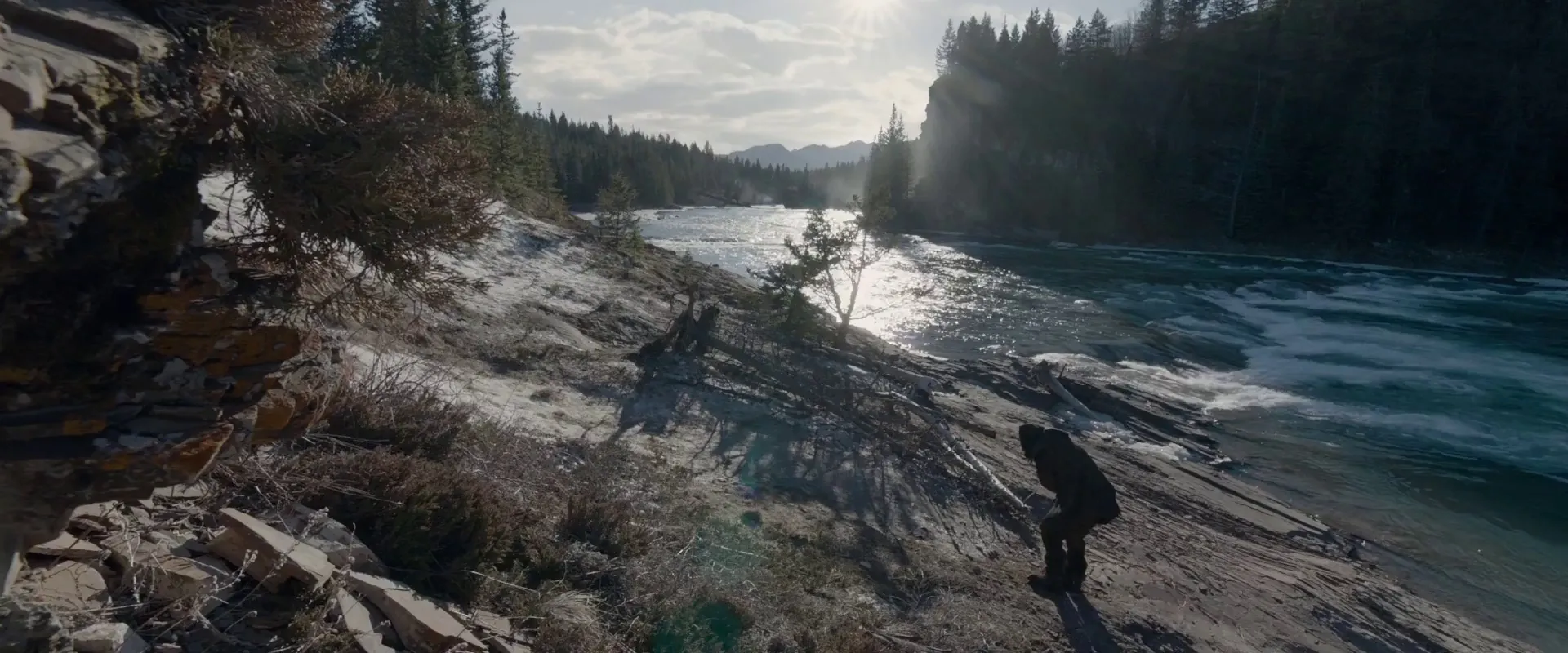
Lubezki won the Academy Award for Best Cinematography three years in a row — Gravity (2013), Birdman (2014), and The Revenant (2015) — the first person ever to do it. Three very different films: a space thriller built almost entirely in a computer, a backstage comedy stitched to look like a single unbroken take, and a survival epic shot in freezing daylight. What ties them together isn't a camera or a lens. It's a conviction that light should behave the way it does in the world, and that the camera should move the way a witness would.
He is known on set as Chivo — Spanish for goat, a nickname he has carried since childhood. It fits a man who has spent thirty years being politely, immovably obstinate about how a frame should be lit.
Why he won't add light
Lubezki has said plainly, more than once, that artificial light looks fake to him — that it pulls people out of the story. That instinct sharpened over his long partnership with Terrence Malick, which began on The New World and reached full flower on The Tree of Life. Watch that film and you see the whole method: wide lenses held close to the actors, the camera drifting on available light, sun raking through trees and windows with nobody bouncing it back.
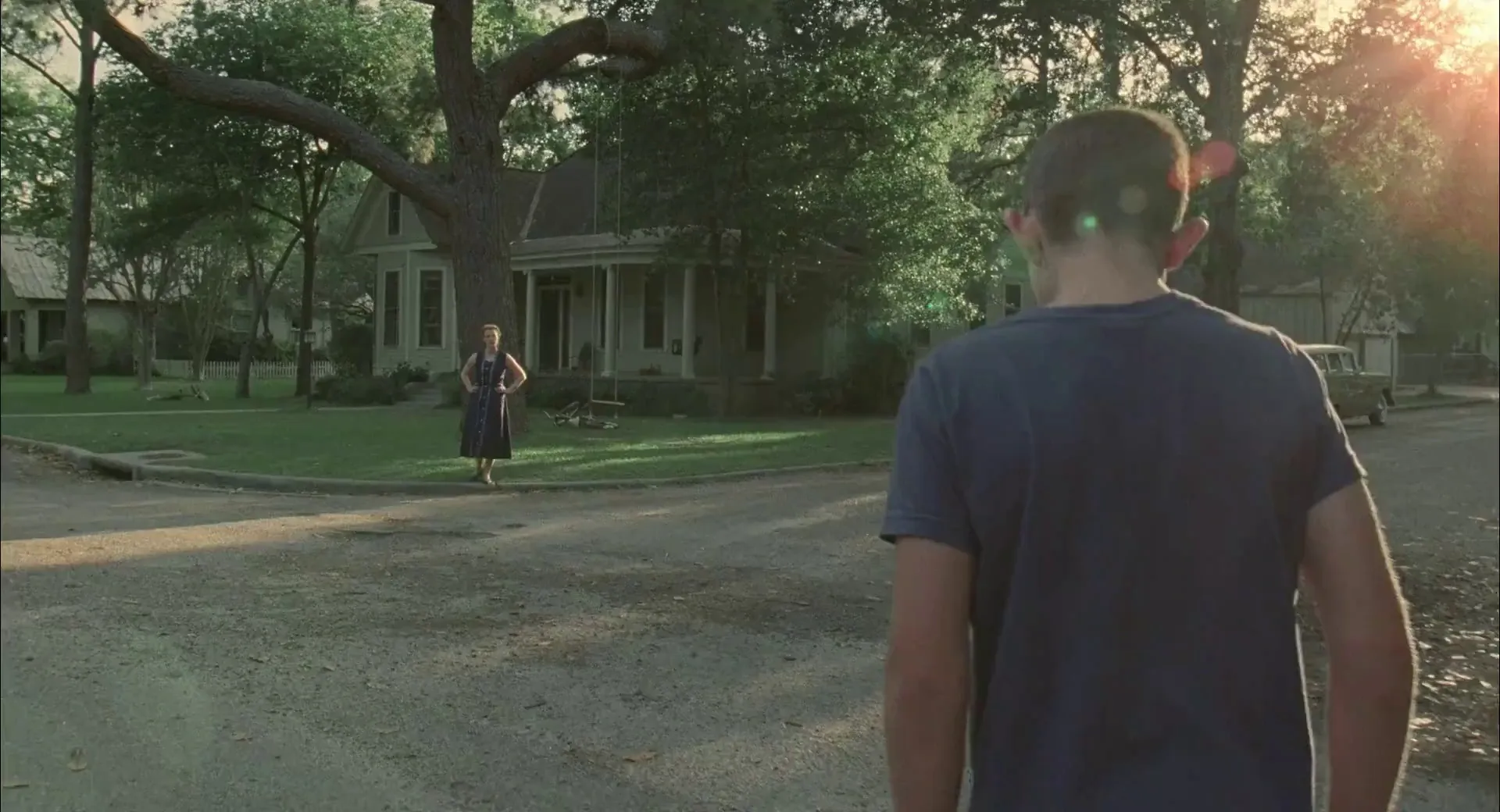
Malick shoots mostly at magic hour and mostly without marks, letting actors move and the operator follow. Lubezki, who ran a lot of that handheld work himself, turned the constraint into a signature — a loose, breathing frame that feels found rather than composed. It's the opposite of the locked-down, heavily-shaped look you get from a big lighting package, and it's the same restraint-first instinct that runs through Roger Deakins' long career of taking light away rather than piling it on. Different temperaments, same refusal to over-light.
The unbroken take
The other half of the style is motion. Long before the one-shot gimmick became a trend, Lubezki and Alfonso Cuarón built the car ambush in Children of Men — a four-minute unbroken shot filmed with a custom rig that hung the camera inside a moving vehicle, on a scene that took two weeks to prepare and hours to reset each take. When blood hit the lens mid-take, Lubezki talked Cuarón into keeping it. The smear stays in the finished film.
That appetite for continuity scaled up. Gravity strings together shots so long they read as single, impossible takes through the void. Birdman hides its cuts entirely and plays as one restless prowl through a theater. The unbroken take and the natural-light rule serve the same master: immersion. A cut is a reminder that you're watching a movie. So is a light you can tell was placed. Lubezki tries to remove both.
If you want to understand why a roaming, uninterrupted camera lands so differently than coverage, it's worth thinking through when each type of camera movement actually earns its place in a scene — because Lubezki's long takes are never movement for its own sake.
What a lighting-averse workflow actually demands
Here's the part the highlight reels skip. Shooting only in real light doesn't make the job simpler — it moves nearly all the difficulty into prep.
On The Revenant, the daylight window in the northern winter ran roughly 9:30 a.m. to 4:00 p.m., and much of what Lubezki wanted lived inside the sliver of dawn and dusk at either end. He ended up on the ARRI Alexa 65 with very wide lenses because film stock couldn't hold the low light he was chasing. That kind of shoot lives or dies on planning: knowing where the sun will be, hour by hour, on every location; ordering the day's shots around the light instead of the light around the shots; and having a weather-and-backup plan for the eighty percent of days when nature doesn't cooperate.
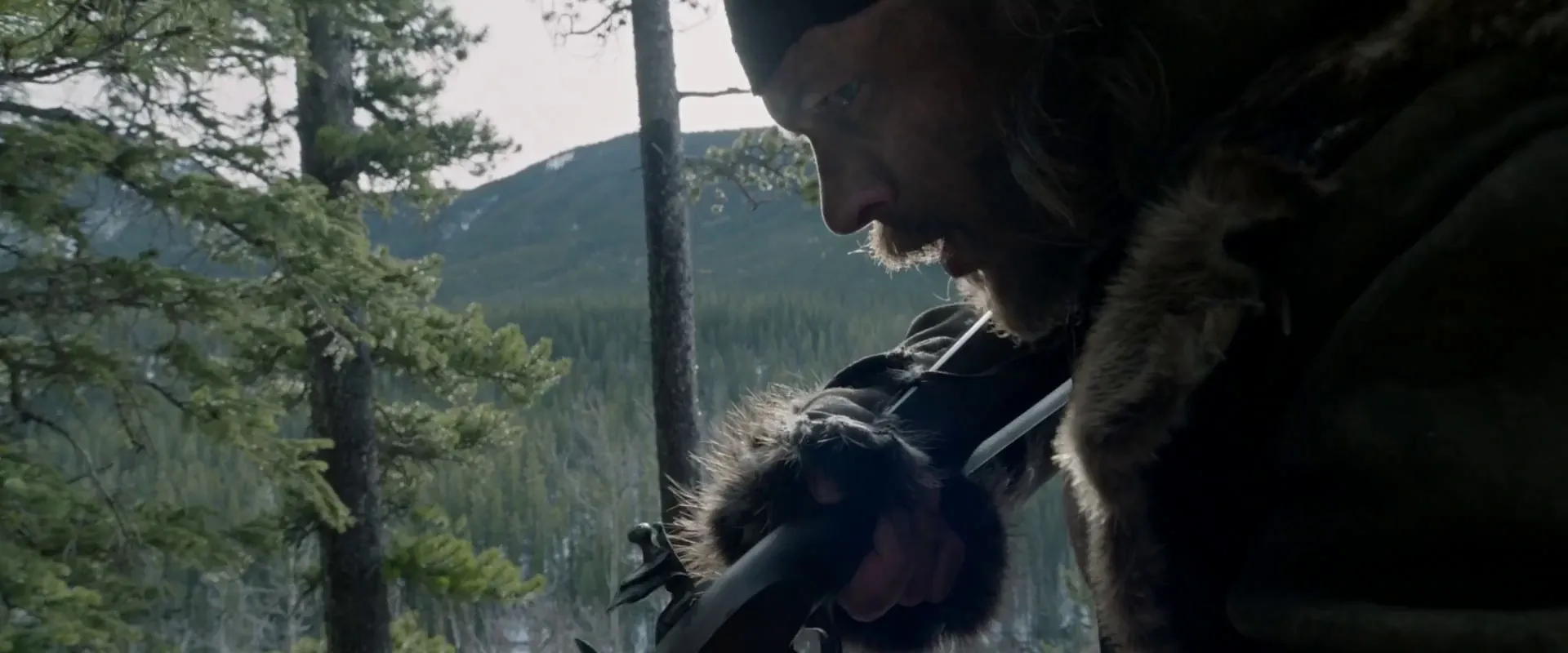
You don't need Lubezki's budget to work this way. You need to know exactly what the light is doing before you arrive. The way to build that certainty is to study how the look you're chasing was actually lit — pulling real frames as reference and reading the direction, quality, and time of day out of them, then using those stills as lighting reference the crew can point to on set instead of describing a mood in words no two people picture the same way.
That's the quiet lesson under the three Oscars. Lubezki's images look effortless and untouched. They are the product of relentless preparation — a DP who removed his safety net and then planned hard enough that he never needed it.
How did you like this article?
Login to react to this article
Discussion (0)
💬 No comments yet. Be the first to share your thoughts!