Types of Camera Movement and When Each One Earns Its Place
Every move the camera makes is a sentence. Here's what each one says — and when saying nothing at all is the strongest choice.

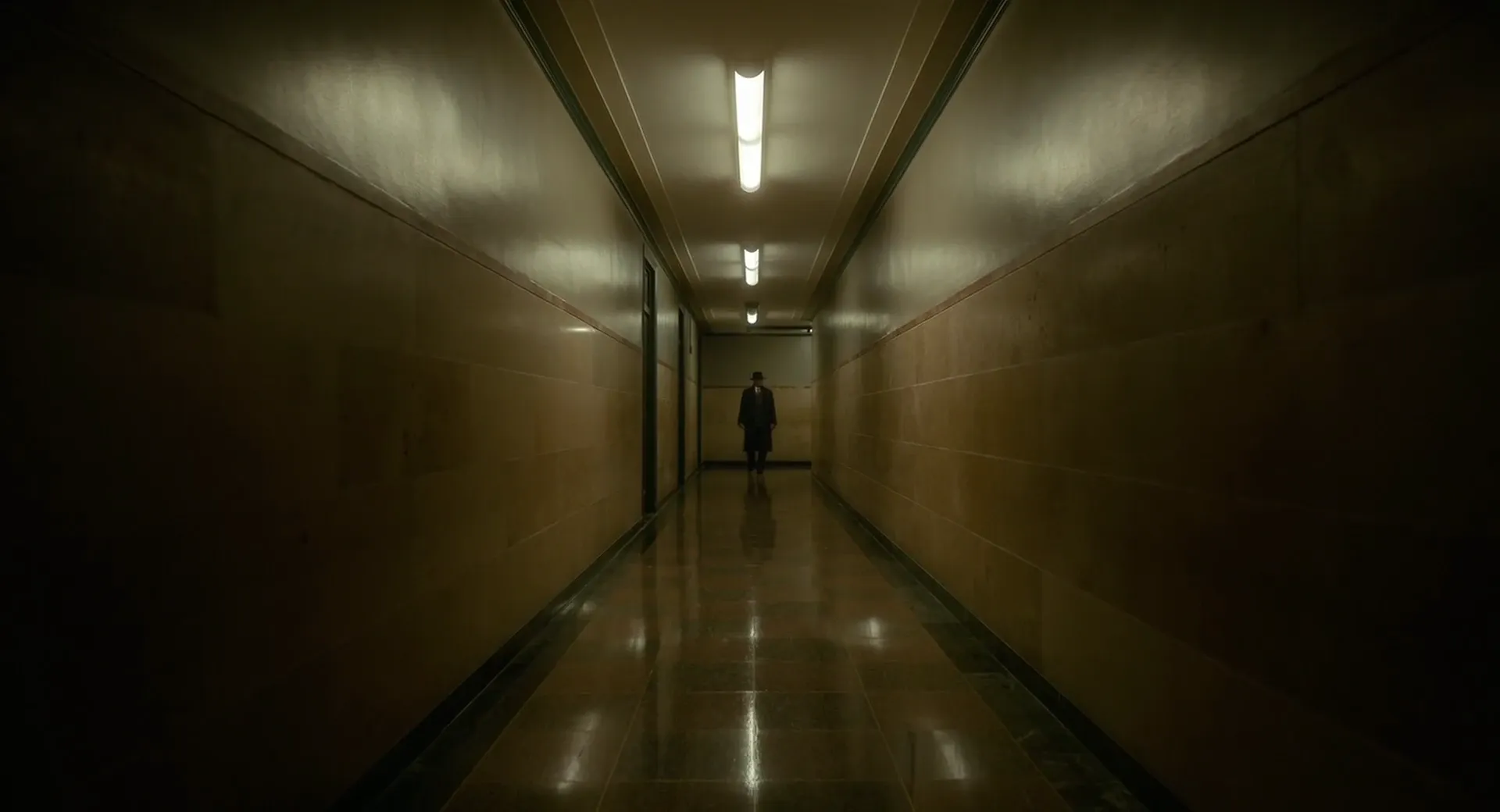
Watch enough dailies and you learn to spot the move that has no reason behind it. The camera drifts left because drifting felt cinematic, not because anything in the frame asked for it. Good operators do the opposite — every push, tilt, and glide is answering a question the scene is already asking. The types of camera movement in film aren't a menu of effects to sprinkle on top of coverage. They're a language, and like any language, saying the wrong thing loudly is worse than saying nothing at all.
So treat this less as a glossary and more as a set of decisions. Each move carries a meaning. The craft is knowing which meaning you actually want.
The locked-off frame is a choice, not a default
Before you move anything, decide whether you should. A locked-off frame — camera fully static, no drift, no breath — is the most disciplined option on the list, and in a culture addicted to motion it now reads as the boldest. When the frame holds still, the audience stops watching the camera and starts watching what's inside it: the performance, the blocking, the slow tightening of tension in a two-shot that refuses to cut away.
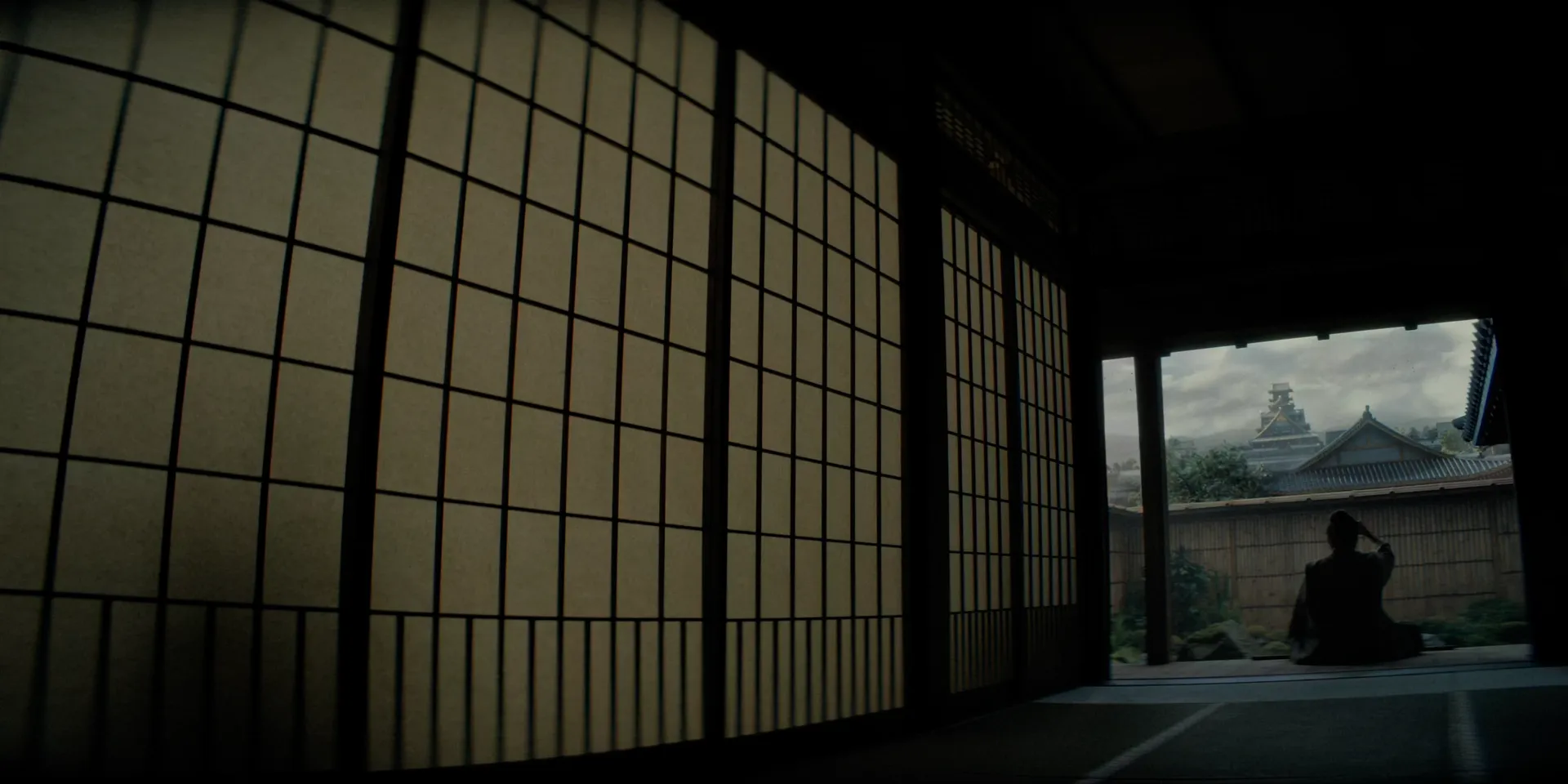
Holding the frame takes nerve, because nothing rescues a weak composition when the camera won't move. But when the composition is right, stillness is the point — the same instinct behind Wes Anderson's centered framing, where the locked frame turns the shot into a stage. If you can't justify a move, don't make one. Let it sit.
Pan and tilt: moving the head, not the body
A pan or a tilt rotates the camera on its axis without the body of it going anywhere — you're turning the head to look, not walking across the room. It's the cheapest move you have and the easiest to overuse. Done with purpose, a pan follows an actor across a space or reveals the thing they just noticed a beat after they noticed it, letting the audience share the discovery. Done lazily, it's a way to cram two compositions into one setup because nobody wanted to relight.
The tell is motivation. A pan that tracks a character's eyeline feels invisible. A pan that swings to a new subject for no reason the scene supports feels like the camera got bored. Rotate to follow attention, not to fill time.
Dolly and tracking: move with intent — and never confuse it with a zoom
This is where movement starts to mean something emotional. A dolly physically moves the camera through space — in, out, or alongside the action on a track. The single most important thing to understand: a dolly-in is not a zoom. A zoom just magnifies the image; a dolly changes your actual point of view, so the foreground and background shift against each other with real parallax. That's why a slow push-in on a face lands and a zoom into the same face feels flat and cheap. One brings you closer; the other just makes things bigger.
A tracking shot alongside a walking character keeps them in their world while the world streams past — perfect for movement that's about momentum. A push-in is about interiority; save it for the moment a realization hits. Pull back when you want to strand a character in a space suddenly too big for them. Those are three different sentences, and the track is how you say each one.
Handheld: when you want the audience in the room
Handheld trades stability for presence. The subtle instability of a shoulder-mounted rig reads to the eye as a human being watching, which is exactly why it's the grammar of documentary and combat and anything that wants to feel unstaged. It puts the audience inside the event rather than politely observing it from a dolly.
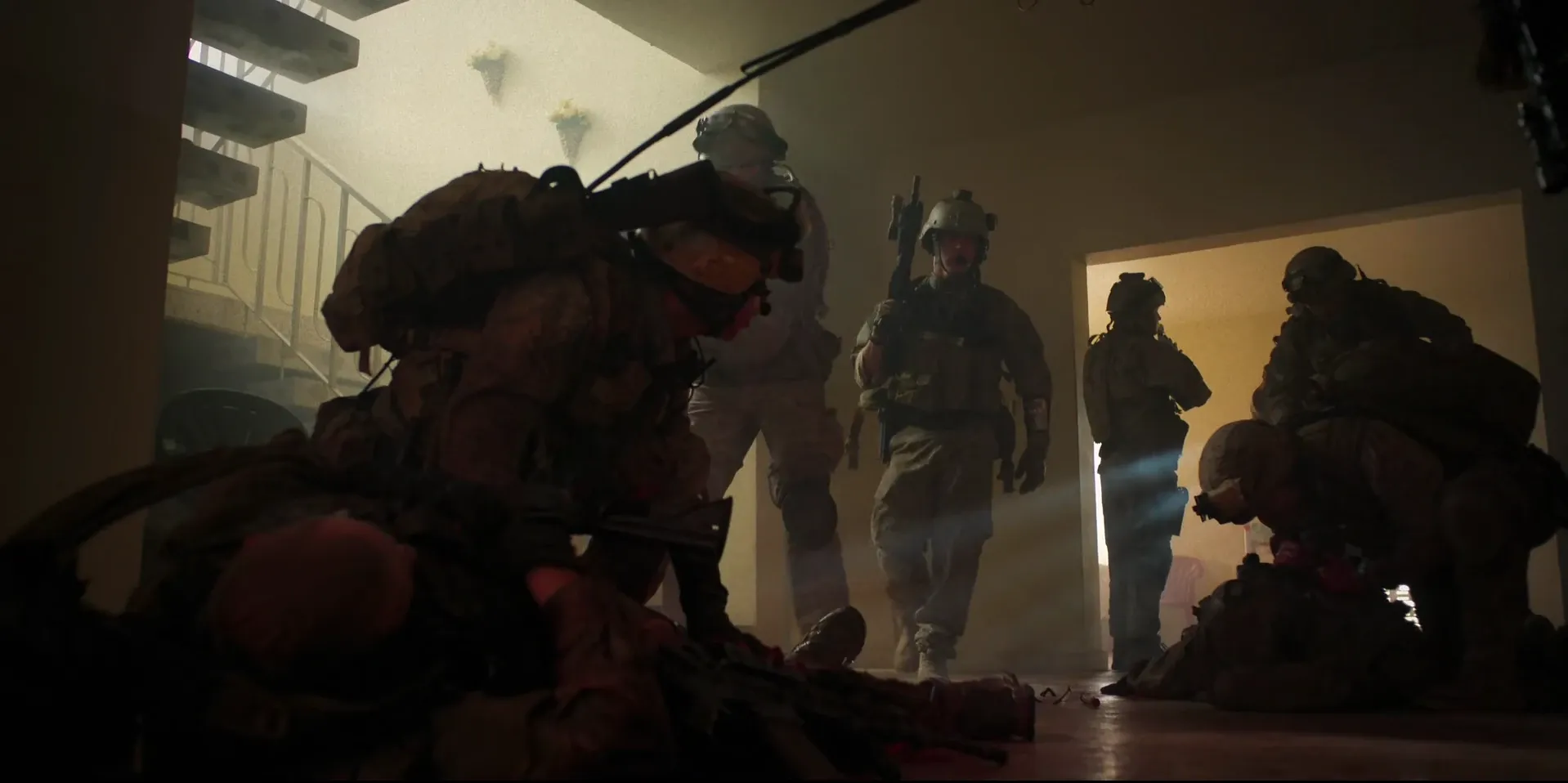
The mistake is thinking handheld means chaos. Alfonso Cuarón and cinematographer Emmanuel Lubezki built the ambush sequence in Children of Men around long, unbroken takes that put you in the car with the characters as violence erupts in real time — controlled to the frame, not sloppy. Handheld is a choice about proximity. Use it when you want the seam between audience and story to disappear, not just because you didn't have time to lay track.
Steadicam: the glide that goes where a dolly can't
The Steadicam splits the difference between the dolly and the handheld — the operator walks, but the rig floats the camera free of every footstep, giving you fluid motion through spaces no track could follow. Garrett Brown invented it in the mid-1970s; it turned up almost at once on Bound for Glory (1976), which earned Haskell Wexler the cinematography Oscar, and on Rocky and Marathon Man the same year.
The move announces itself most in the unbroken take. The three-minute Copacabana shot in Goodfellas — DP Michael Ballhaus, with Larry McConkey operating — glides Henry and Karen through the kitchen and out into the club in one continuous breath, and the seamlessness is the storytelling: this is a world that opens itself to him. Reach for a Steadicam when you need a move that a dolly can't physically make and a handheld would make too rough.
Crane and jib: geography and the reveal
A crane or jib moves the camera vertically and through arcs a tripod can't reach. Its native language is scale — lifting off a character to show the geography they're standing in, or descending into a scene to pick one figure out of a crowd.
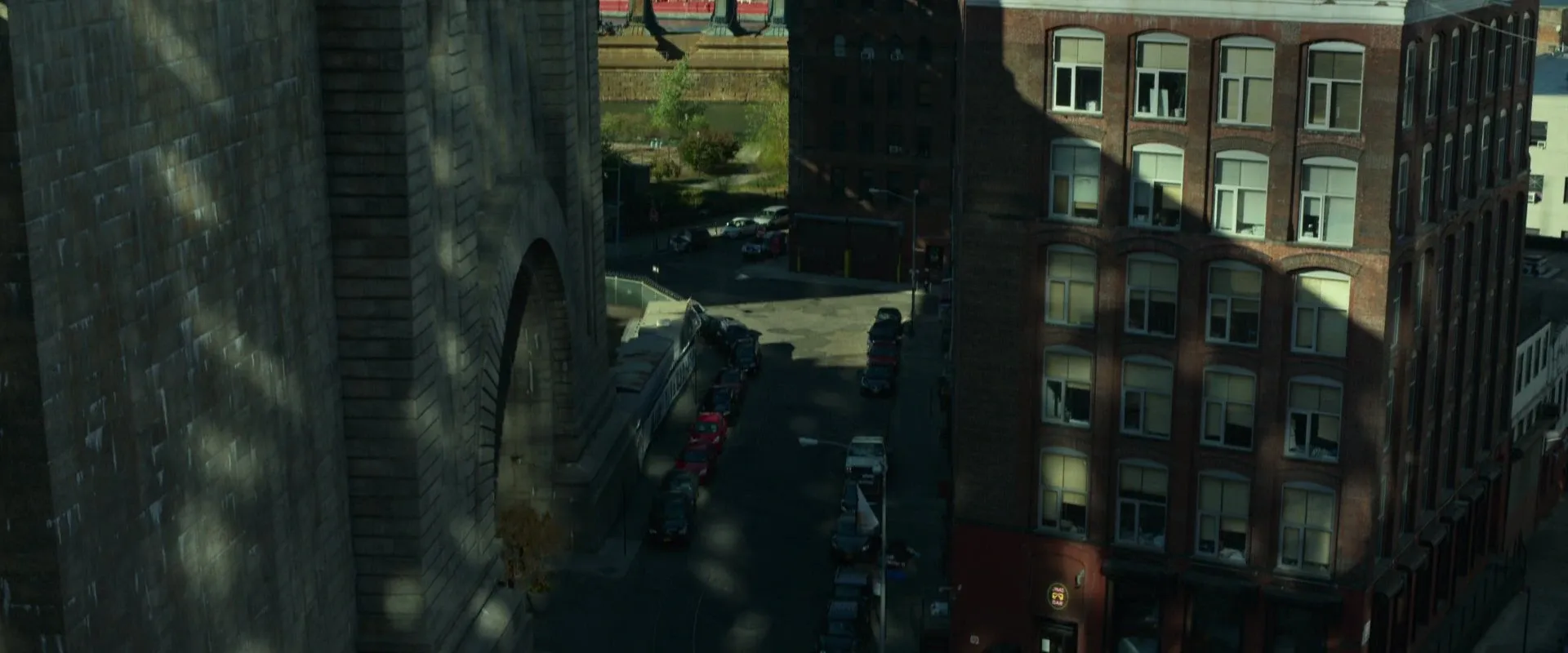
The high angle is a statement about power and place: it tends to shrink whoever's in it, or hand the audience a god's-eye read of a space the characters can't see. A rising crane at the end of a scene is one of the oldest ways to say this is bigger than the person we've been following. Use it for context and for release — the exhale after a tight, locked sequence.
The dolly zoom: the move you spend once
The dolly zoom — track one way while zooming the other — holds the subject the same size while the background warps behind them. Cameraman Irmin Roberts built it for Vertigo to put Scottie's acrophobia on screen, and Steven Spielberg borrowed it for Brody's dawning horror on the beach in Jaws. It's the most legible move on this list, which is also its danger: the audience feels the technique. Spend it once, on the single psychological beat that earns it, and never as decoration.
Deciding before the day
None of this gets solved by an operator improvising on set. The move is a story decision, and story decisions belong in prep — mapped against the beats, argued over with the director, locked before the clock is running. That's where pulling real frames matters: seeing a push-in or a locked-off two-shot as an actual reference removes the ambiguity of describing it in words. Build the movement into the plan the same way you'd build a visual reference library for lighting or color, so the whole department shows up knowing not just where the camera sits but why it moves. Do that, and every move you make on the day is already earning its place.
How did you like this article?
Login to react to this article
Discussion (0)
💬 No comments yet. Be the first to share your thoughts!