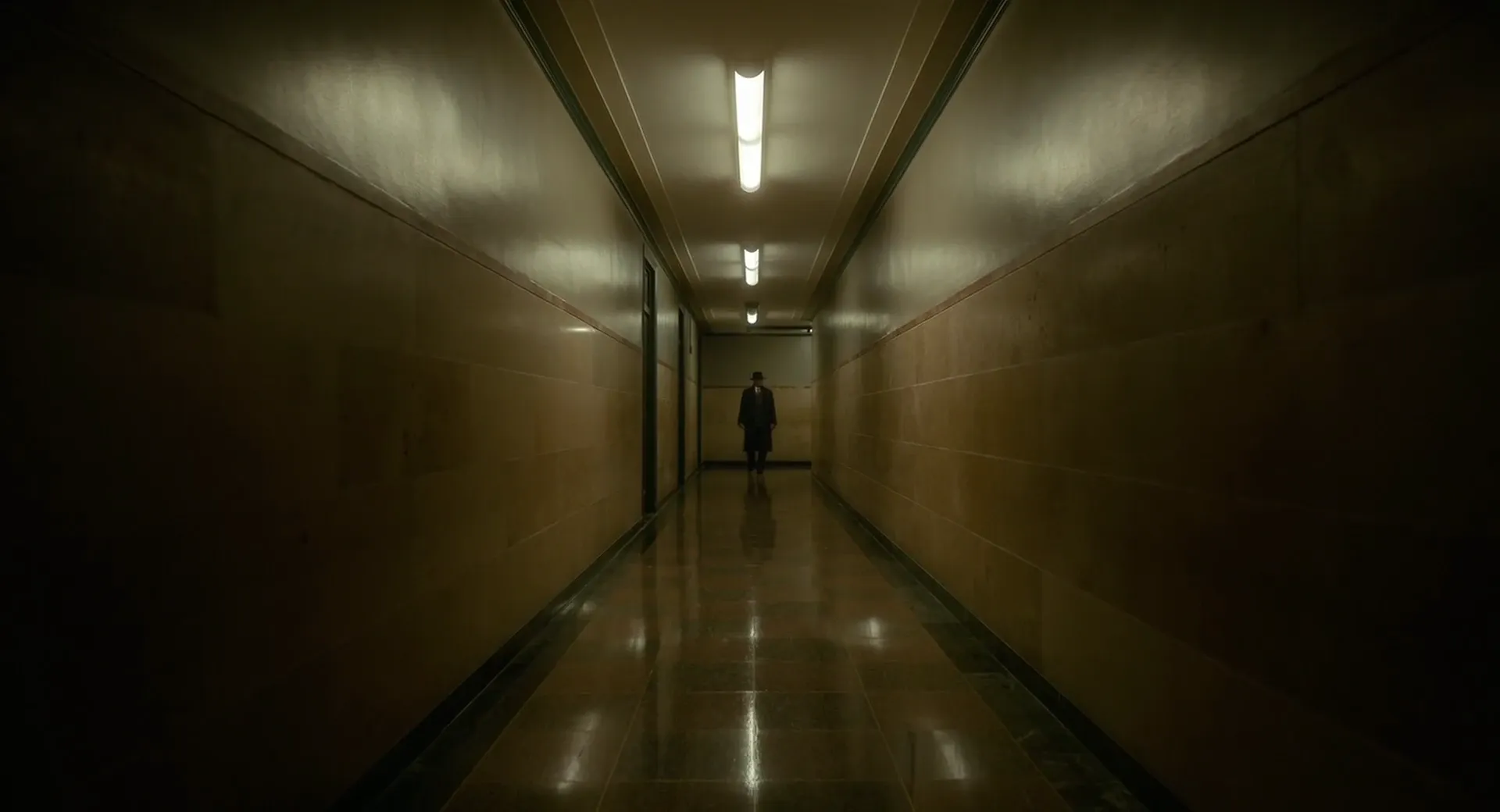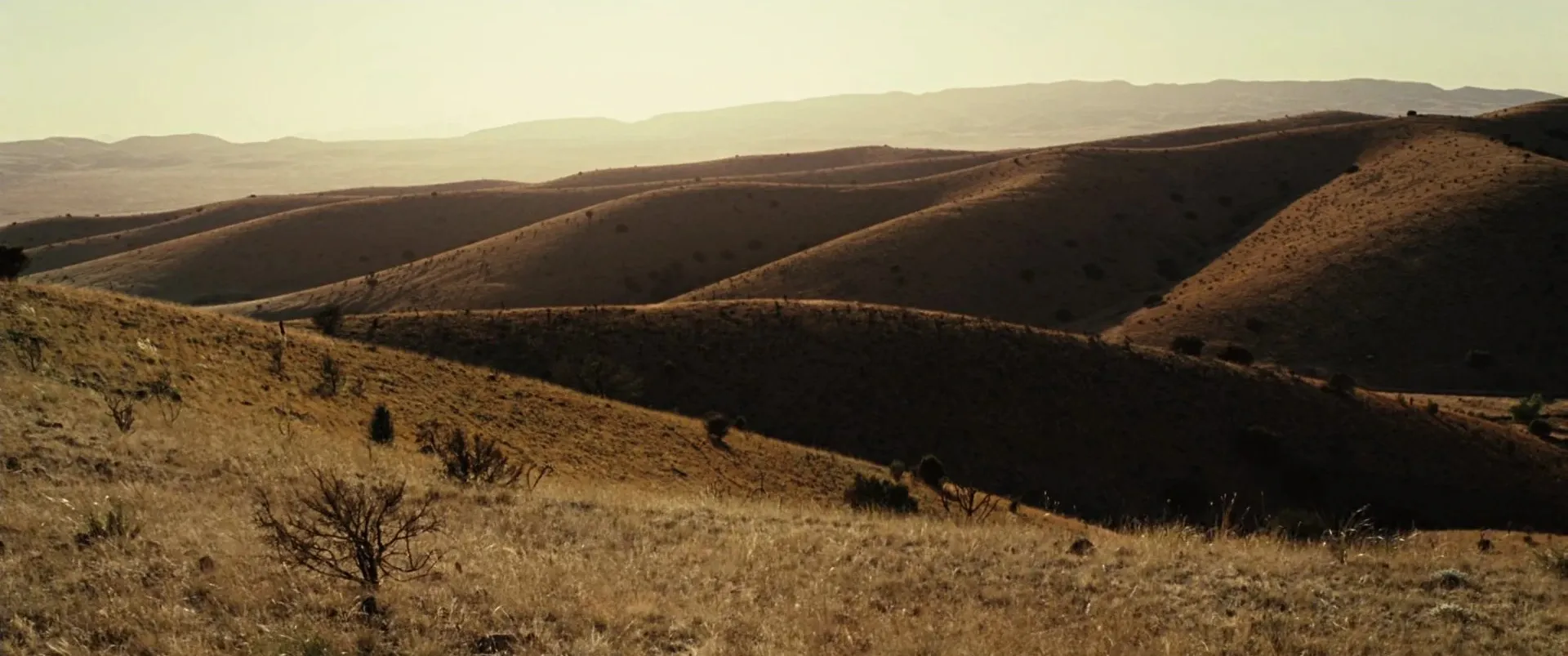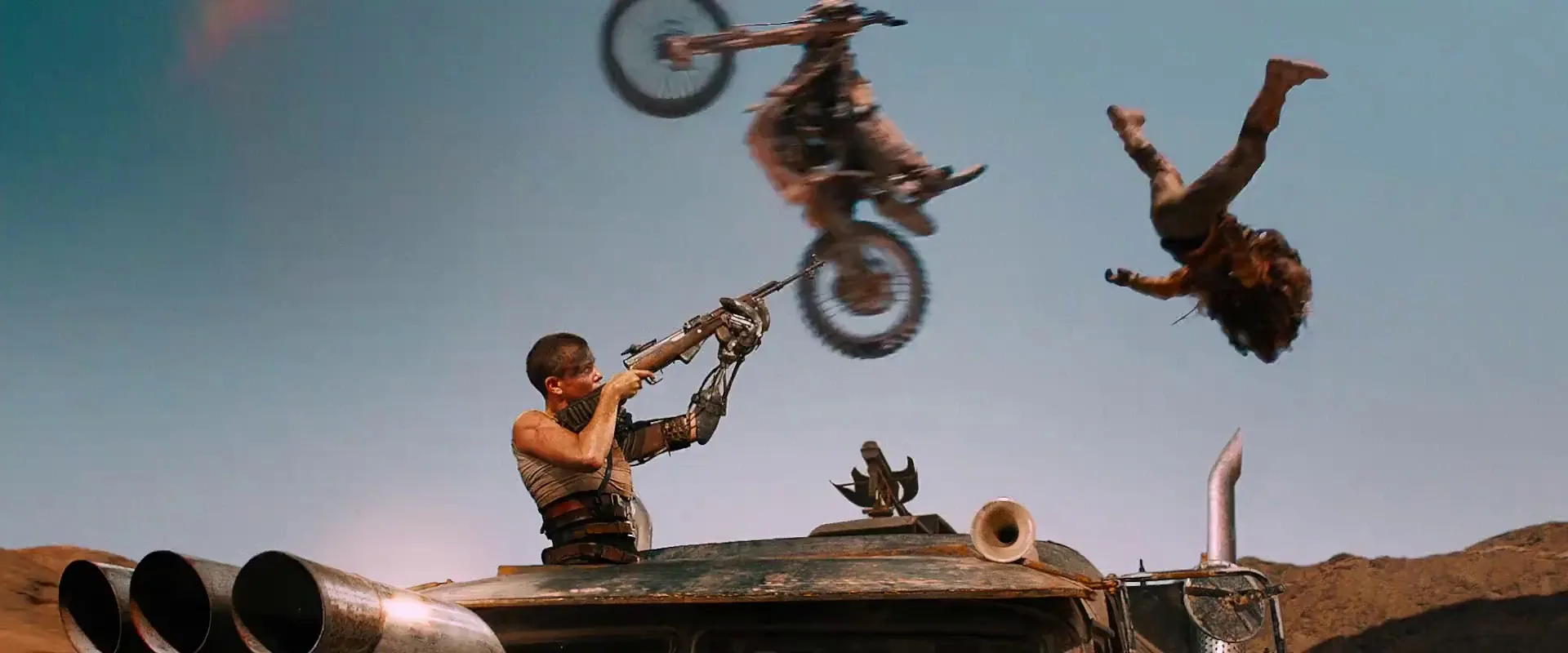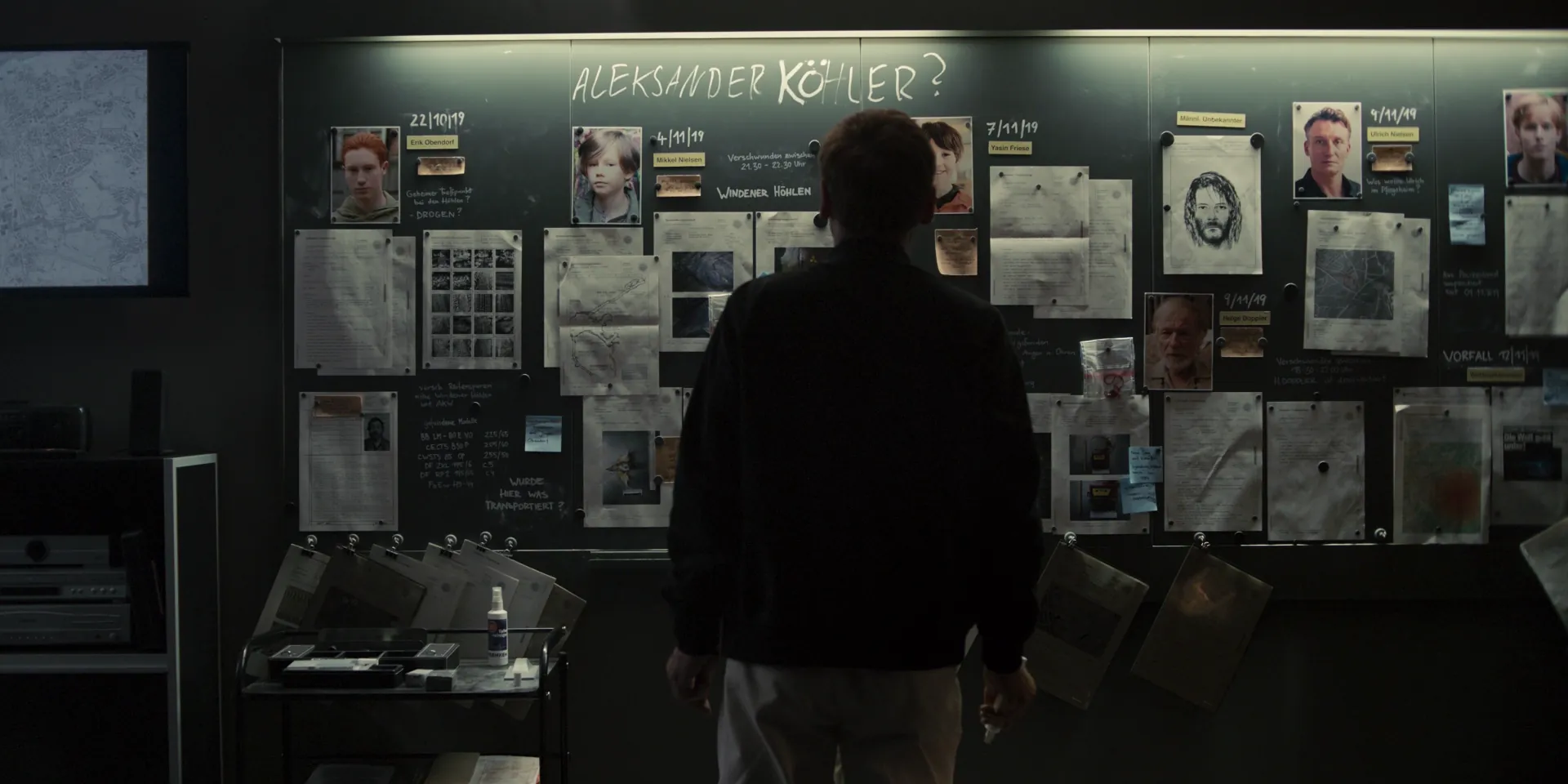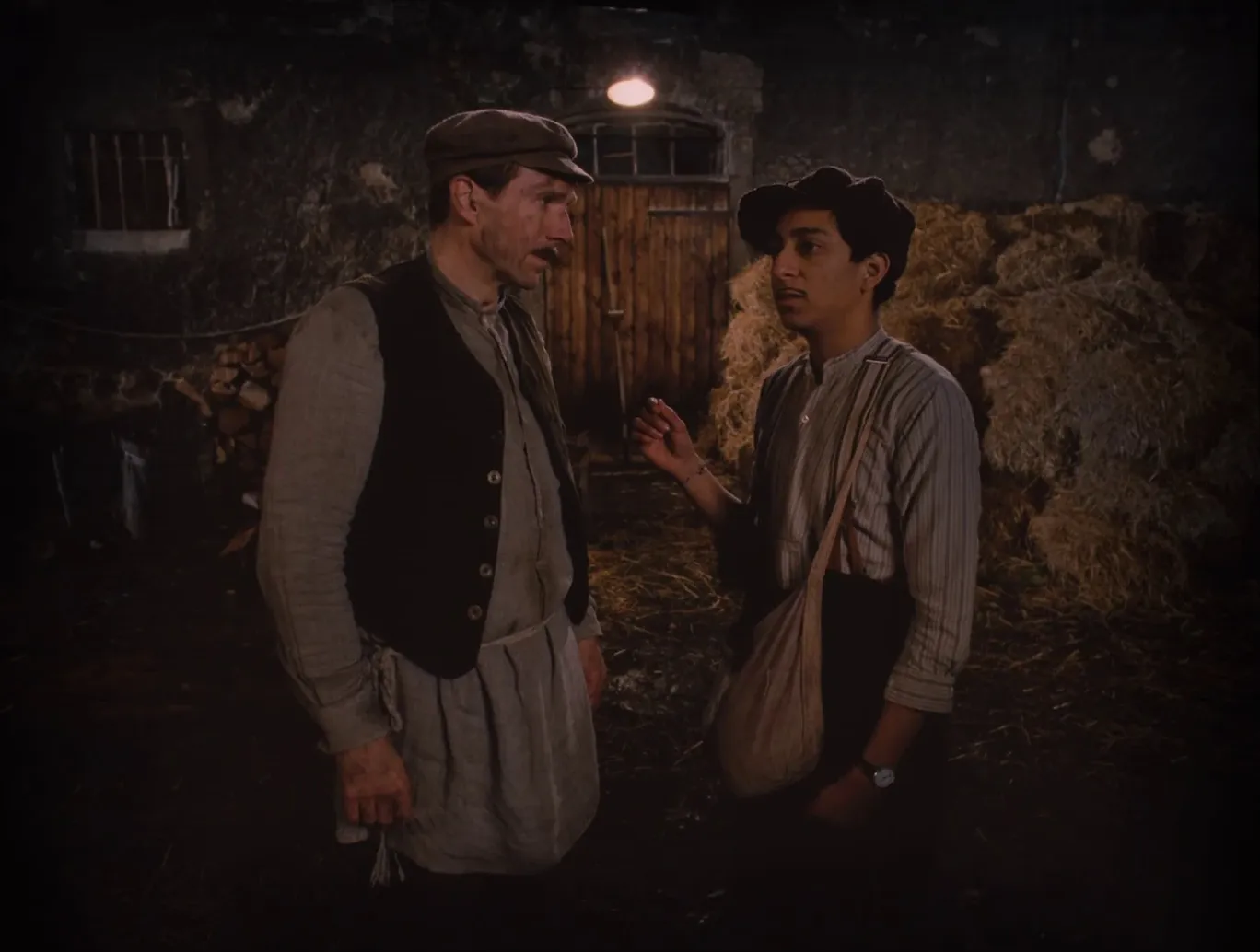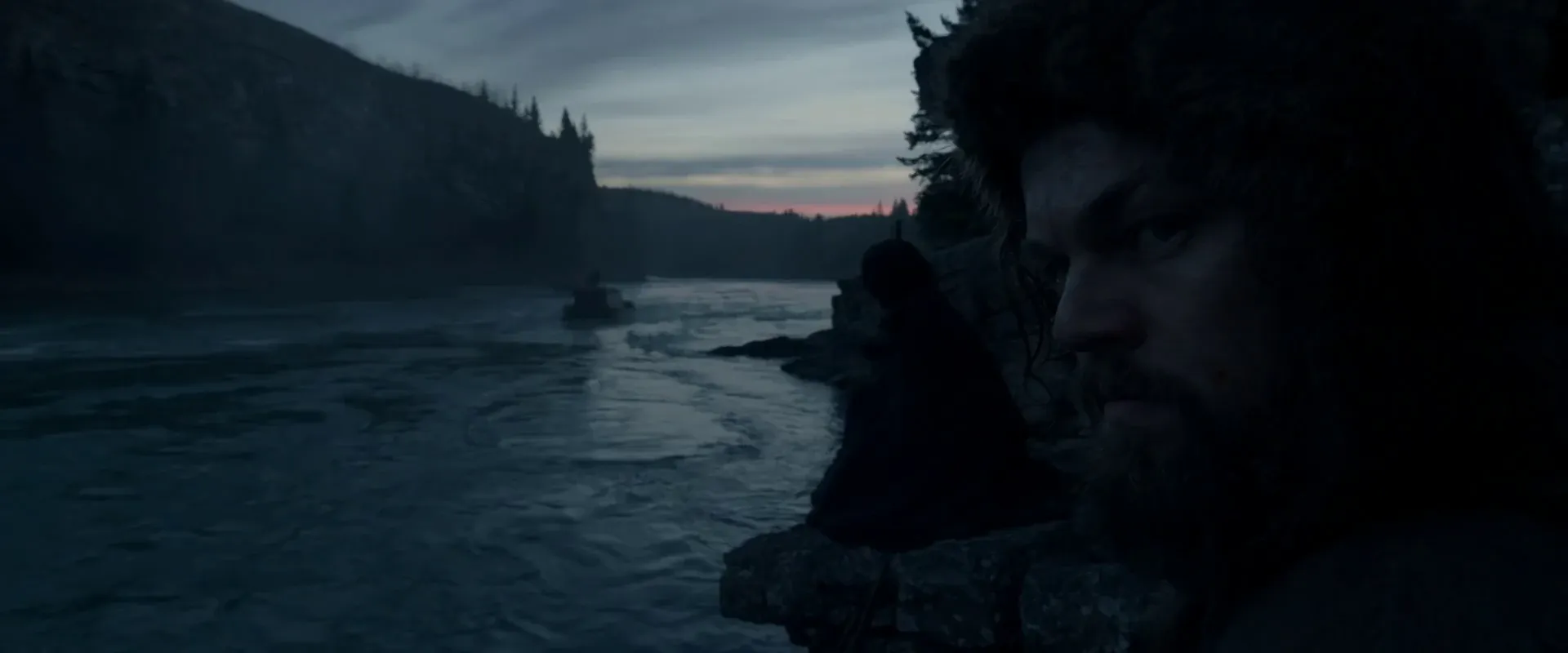
Emmanuel Lubezki: Natural Light and the Unbroken Take
Three Best Cinematography Oscars in a row, built on refusing to fake a single lamp — and the relentless prep that refusal quietly requires.
Long-form writing on cinematography, lighting, lensing and visual storytelling — the techniques, the people and the films behind the frames.

Three Best Cinematography Oscars in a row, built on refusing to fake a single lamp — and the relentless prep that refusal quietly requires.

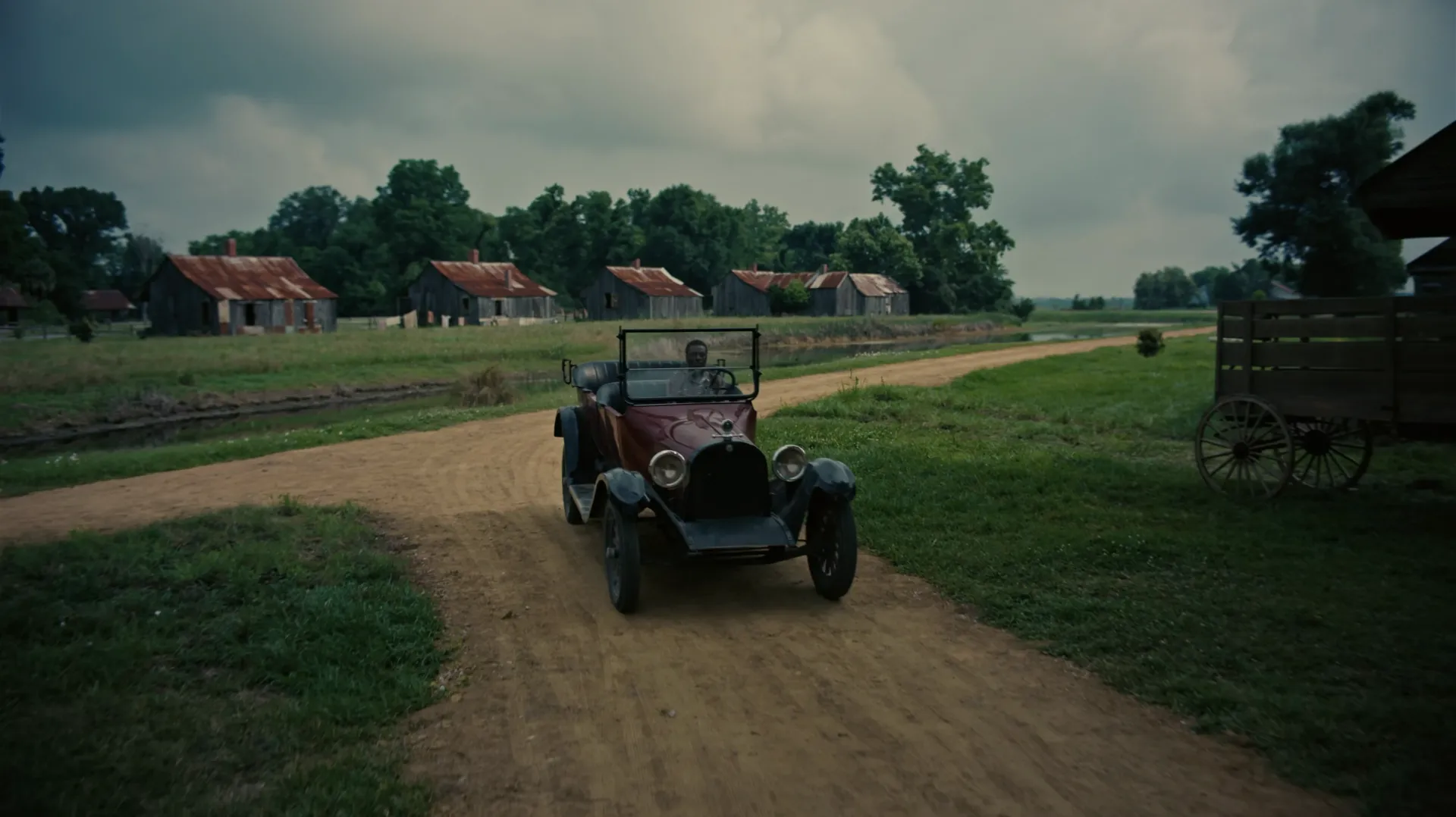
The aspect ratio doesn't just change on screen in Sinners — it changes what the movie is doing to you. Inside Autumn Durald Arkapaw's two-format gamble.

Oval bokeh and blue flares get all the attention. The real choice is about depth, faces, and what your budget and schedule can actually carry.

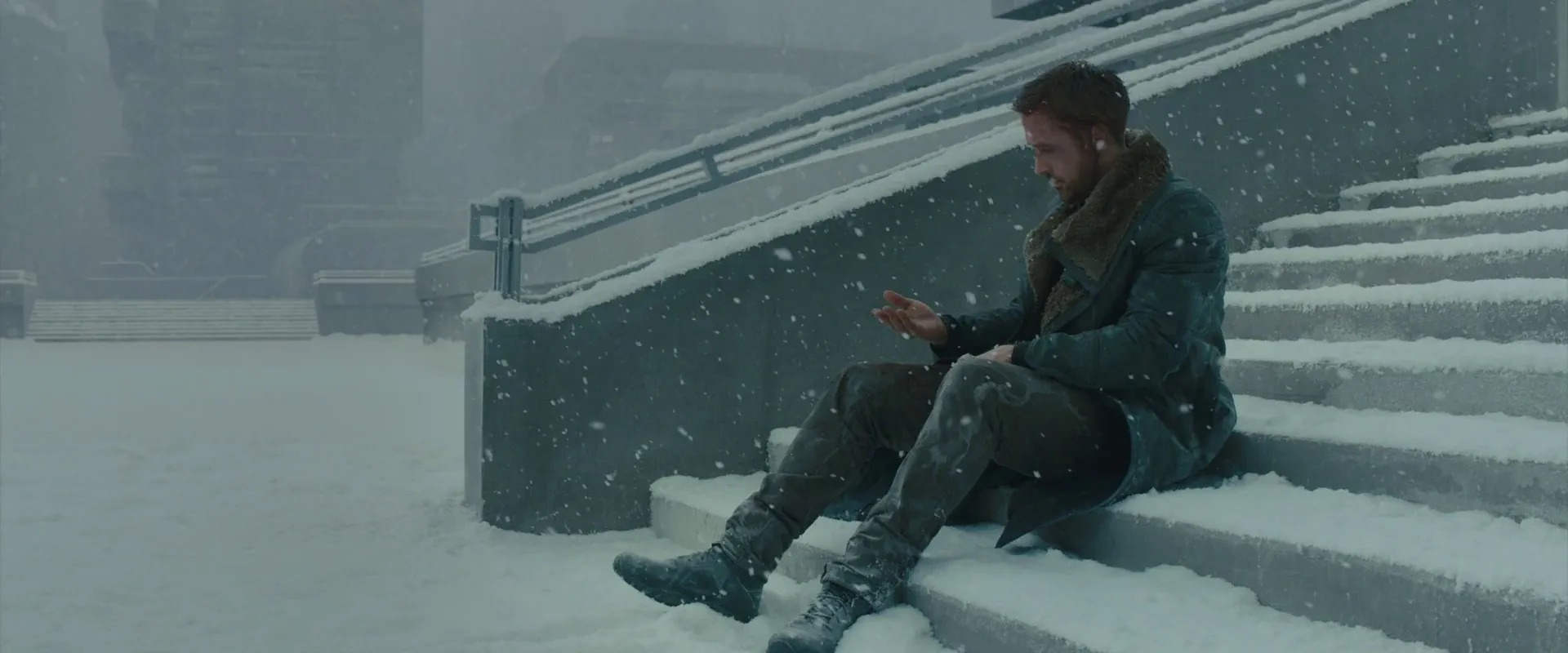
The trick behind the film's look isn't a rig — it's treating weather as the key light.

Fourteen Oscar nominations, one stubborn idea about light, and why subtracting almost always reads as more on screen.

Every move the camera makes is a sentence. Here's what each one says — and when saying nothing at all is the strongest choice.

The shape of your frame does as much narrative work as anything inside it — here's how to pick it on purpose.

Orange and teal color grading is everywhere for a reason. Here is the color theory behind the blockbuster look, when it works, and when to break it.

Shot list vs storyboard: what each pre-production document does, when you need one or both, and how top directors use them to plan a shoot.

How Wes Anderson's symmetry and centered framing actually work on set — the planimetric look, the whip pans, and what indie DPs can steal from it.