Claire Mathon Cinematography: Sculpting Faces Out of Available Light
She won a César lighting a period drama with candles and window bounce. The method underneath scales down to a one-van package.

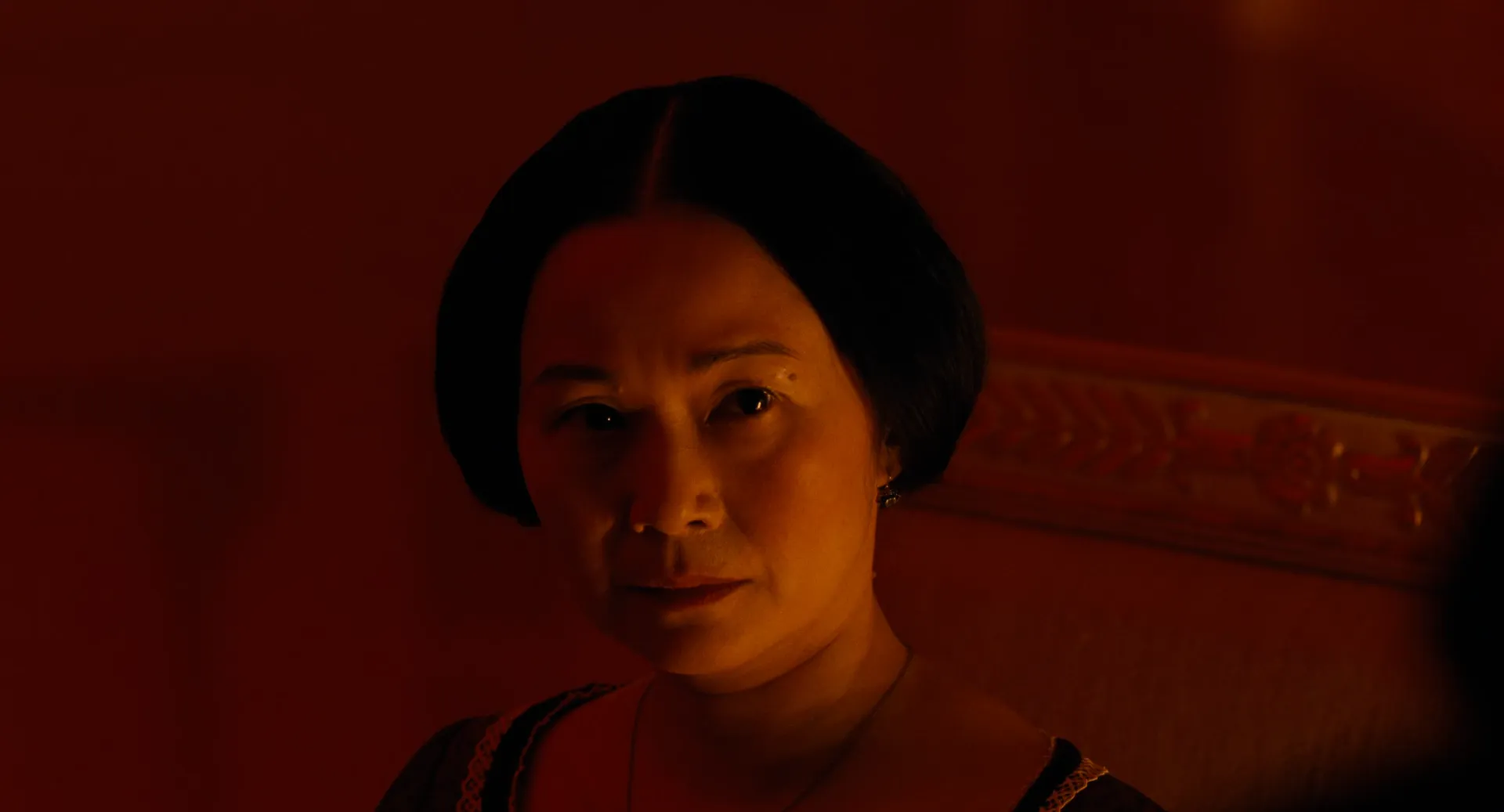
Watch the dinner scene in Portrait of a Lady on Fire again and try to find the light. You can't, really. There's a fireplace, a scatter of candles, a window gone blue with dusk — and faces that look lit from inside, as if the skin were the source. That missing key light, the one you keep hunting for and never locate, is the signature of Claire Mathon cinematography. It's why her name comes up whenever a DP wants a face to look found rather than staged.
Mathon (AFC, born 1975) isn't a maximalist. She doesn't build a look you notice on the way in. She builds the room the actors are already standing in and then subtracts until only the necessary light is left. On Portrait, directed by Céline Sciamma, that discipline won her the César for Best Cinematography in 2020 — and, alongside Mati Diop's Atlantics the same year, the Los Angeles Film Critics Association award. Two very different films, one instinct: let the available light do the acting.
The candlelight that started the conversation
The temptation with candlelight is to chase realism — one flame, one stop, let it flicker and fall off into black. Mathon didn't. She was after "the right warmth, the right color," keeping skin and the painted surfaces in the frame readable instead of surrendering them to the dark. Candles were pushed offscreen where she could, their flicker tamed, and the real work happened around them: 2K blondes with the lamps pulled out, 2000K ribbon LED, ropelight threaded through the set. The flame sells the source; the rigged units do the lifting.
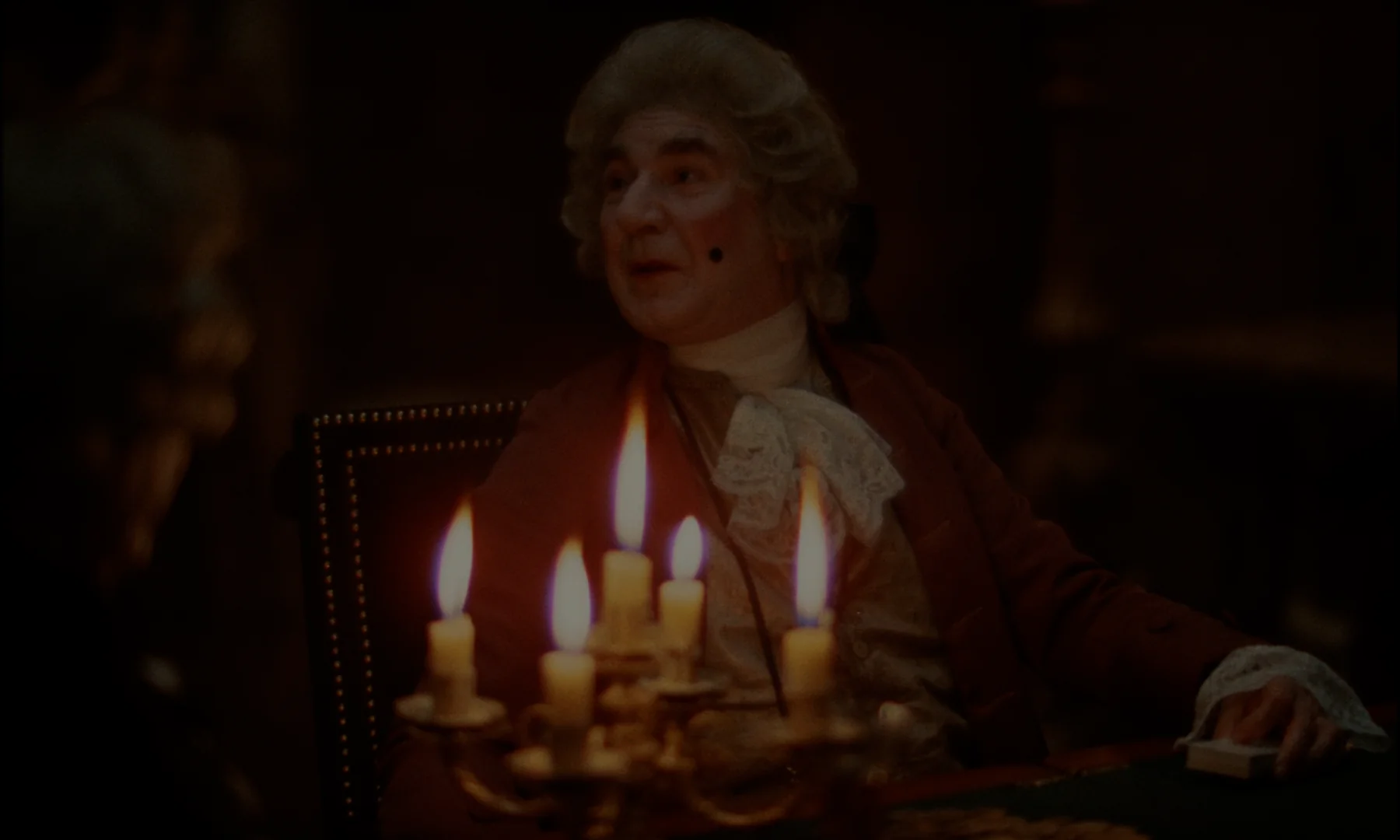
She's working inside a lineage here — Kubrick and John Alcott famously shot Barry Lyndon on modified NASA glass to expose for real candles, and if you want that rabbit hole we've gone down it in how Kubrick shot by candlelight with a NASA lens. Where Mathon parts from the purists is that she never pretends the candle is the whole rig. The full breakdown of her approach on that film lives in her argument for candlelight; what matters for a portrait of the DP herself is the principle it reveals.
A face is a light source, not a subject
Mathon shot Portrait on a RED Monstro 8K VV with Leitz Thalia primes — large-format glass, the 70mm close enough to sit inside a conversation. But the camera package is the least interesting decision. What she describes is de-emphasizing the direction of the light entirely, wrapping the actors in an "all-encompassing softness" until the light seems to emanate from their faces. No hard key carving a nose shadow. No obvious motivation. Just a face emerging out of the ambient wash, modeled by the room itself.
For interiors that needed daylight, she didn't fight the location — she rebuilt the sun outside the window with big units (ARRIMAX, SkyPanels) and let it pour in with the same directional honesty a real window has. The through-line is refusal: refusing to plant a lamp where a lamp couldn't be, refusing to let technique announce itself before the performance does.
Spencer: same instinct, different box of tools
Spencer, Pablo Larraín's fever-dream of Princess Diana with Kristen Stewart, could not look more different — and proves the point. Mathon shot it on film: Super 16mm on ARRI 416 bodies for most of it, stepping up to 35mm for the darker night work, all on Kodak Vision3 stock. She reached for Zeiss Ultra 16s at 8mm and 9.5mm — wide, close, a little nervous — with Leitz Summilux glass when she wanted softness. She's said the analog formats gave the film its "slightly haunted" feeling.
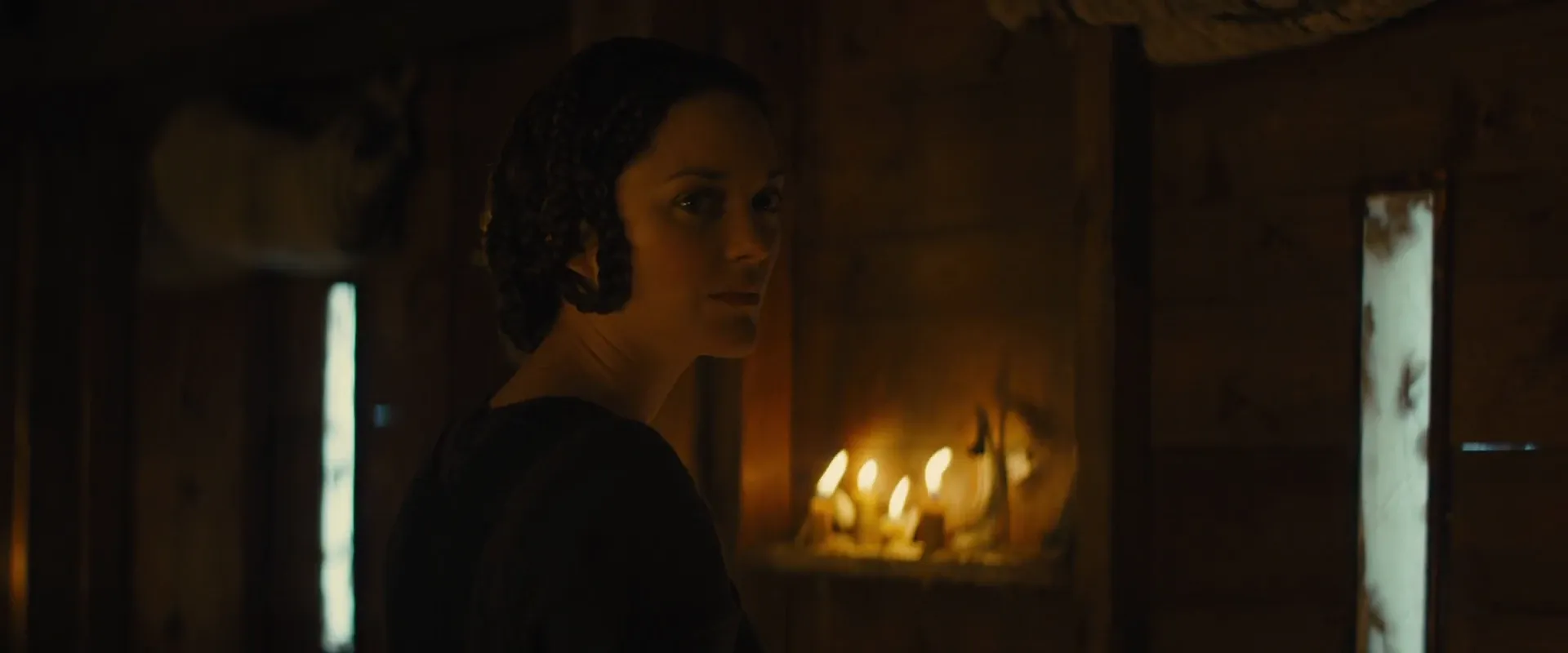
The lighting philosophy carried straight over. Astera Titan tubes and LED Carpetlights she could reposition set-up to set-up, a heavy reliance on bouncing daylight in from outside, practicals folded into the decor, and a modular DMX rig instead of a wall of hard fixtures. Different gauge, different director, same core move: build a soft, motivated envelope and let Stewart's face live inside it. If you've read our piece on lighting a scene with practicals and nothing else, this is that idea scaled up to a period feature.
What a small production can actually steal
Here's the part that matters if you're not shooting a €5M costume drama. Almost nothing in Mathon's kit is exotic. Bounce daylight in through the window you already have. Gut a fixture and hide it. Run tube lights and ropelight where a big head won't fit. Leave the practicals in the frame and let them read as the source. On Atlantics she and Diop committed to shooting the natural swing of the light — accepting the sunset instead of freezing it — and got realism no lighting plan can fake. That's a mindset, not a budget line.
The one thing you can't skip is knowing what you're after before you get to set, and that's a reference problem. Mathon's faces come from studying how light actually behaves on skin, not from a lighting diagram. Pulling her frames — and Sciamma's, and Larraín's — into a shot-by-shot look before you scout is how you translate "lit from within" from a nice phrase into an actual plan. It's the same reason we keep pushing filmmakers to build a real visual reference library instead of a folder of screenshots: the reference is the lighting design, done early.
Steal the instinct, not just the gear list. Find the light that's already in the room, and take everything else away.
How did you like this article?
Login to react to this article
Discussion (0)
💬 No comments yet. Be the first to share your thoughts!