Zone of Interest Cinematography: Ten Hidden Cameras and No Lights
Glazer told his DP they were making "Big Brother in the Nazi house." The rig that answered that brief rewrote what a camera crew is even for.

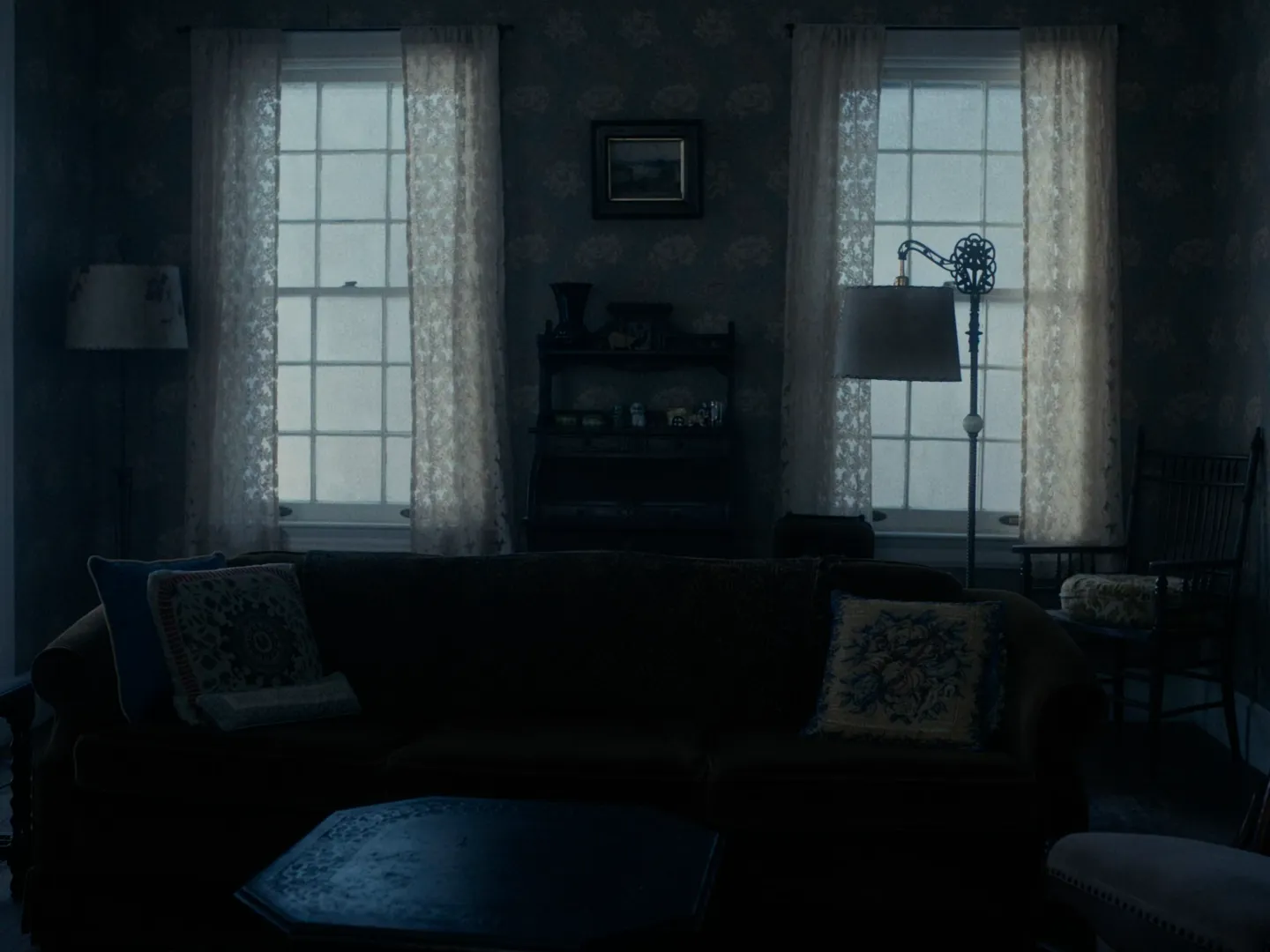
There's a version of this film that has been made a hundred times: beautiful actors in beautiful light, sombre and tasteful, the horror rendered in tobacco-toned close-ups. Jonathan Glazer threw that version out before the first setup. What he and cinematographer Łukasz Żal built instead was closer to a surveillance system than a film crew — ten cameras hidden in the walls of a house, no lights, no flags, and a DP who wasn't standing at any of them.
The Zone of Interest cinematography works by refusing almost everything cinematographers are trained to do. It won the 2024 Academy Award for Best International Feature (and a second for its sound), and it did so by pointing the camera at a family having lunch while an extermination camp runs on the far side of the garden wall. The technique is the argument. Here's how it was actually rigged.
"Big Brother in the Nazi house"
That was Glazer's brief to Żal. Not a reference to another film — a reference to reality television. He wanted the Höss family observed, not staged, so the production dressed and rigged a house next to the real Auschwitz site and turned it into a set that didn't read as one.
Up to ten cameras were positioned around the house and rolled at once — tucked into cupboards, built into corners, hidden in bushes outside. Holes were drilled through the walls, Swiss-cheese style, so cables could run to the cameras without a single one showing in frame. The crew wasn't in the room. Glazer, Żal, and the focus pullers sat in a container on the far side of the wall, watching ten monitors at once, running the whole house like a control room.
Which means Żal spent much of the shoot not touching a camera. For a two-time Oscar nominee — he was nominated for Ida and Cold War — that's close to heresy. But it's the point. Actors were free to move anywhere and improvise, and takes could run up to an hour. You can't light for that. You can't operate for that. You can only build a space that's true in every direction and then let it play.
No lights, no flags, just what was already there
Strip the crew out of the room and you strip out the lighting package too. There were no film lights on set — Żal worked with 40-watt household bulbs, candles, and oil lamps, and leaned on the Sony Venice's ability to shoot cleanly at ISO 3200 to hold an image in that little light. This is the same discipline behind lighting a scene with practicals and nothing else, pushed to its logical extreme: the only lights allowed are the ones a real house in the 1940s would have had.
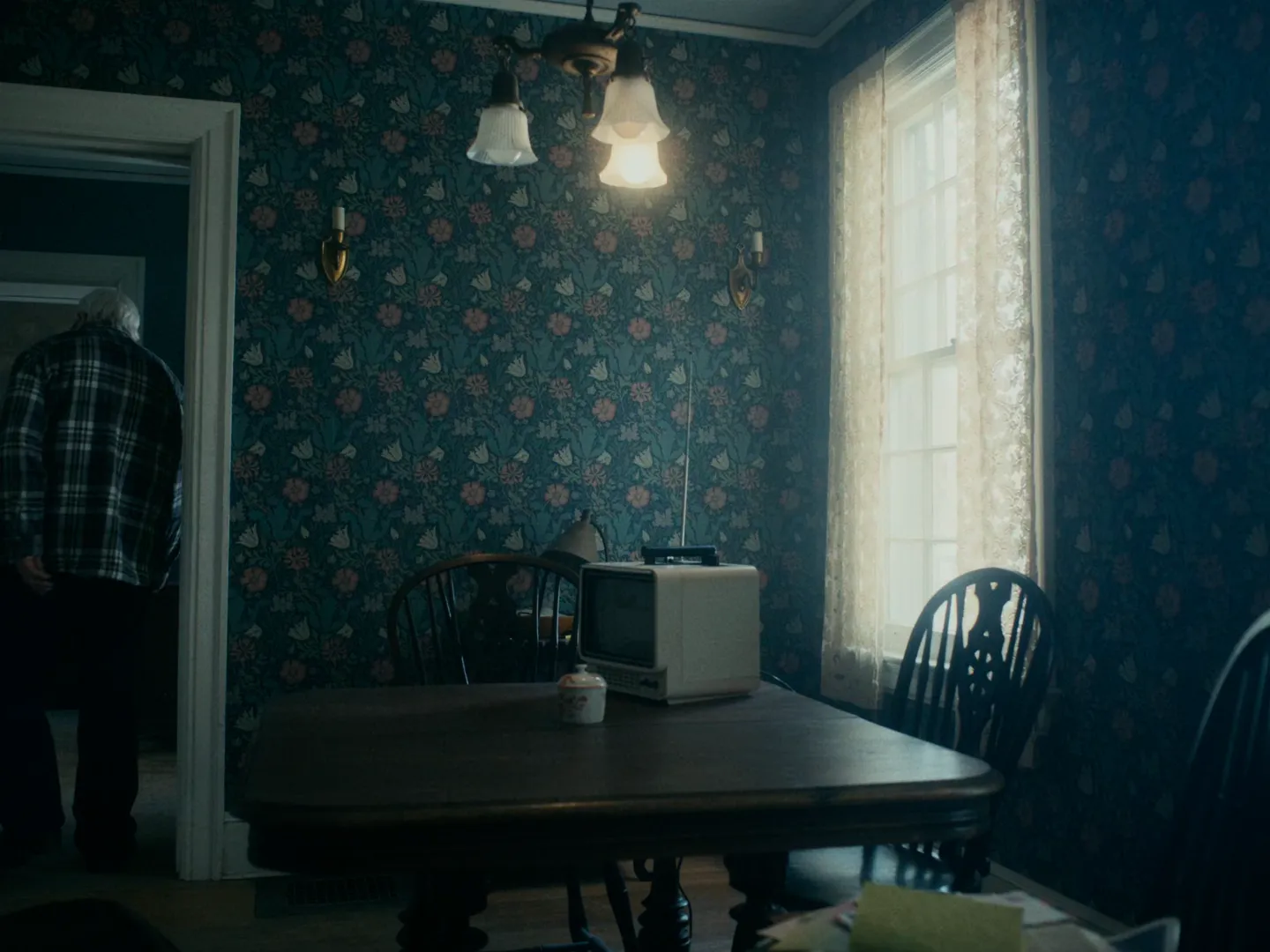
The camera choices follow the same logic. Żal pushed for the Venice with the Rialto extension because it's the smallest body available — small enough to bury in furniture and control remotely. The lenses were Leitz M 0.8s, chosen after Glazer and Żal talked about "looking at Germans with German lenses." And crucially, they weren't chasing a vintage patina. They wanted the sharpest, cleanest, most modern image they could get — every corner of the frame legible — so the film feels less like a period piece and more like footage. The naturalism isn't nostalgia. It's evidence.
Żal has described having to forget everything he was taught about making beautiful pictures, to find an "ugly, objective" way to show evil as something ordinary — as routine as mending a coat or mopping a floor. It's the opposite instinct from the natural-light, unbroken-take approach Emmanuel Lubezki made famous, where available light is chased for its beauty. Here the available light is chased for its indifference.
The horror is in what the frame won't show
The camera never crosses the wall. You never see the camp. The chimneys smoke in the background of a garden shot; screams and gunfire and the low roar of the furnaces sit in the sound mix — Johnnie Burn's design carried enough of the film's dread to win its own Oscar — but the atrocity stays resolutely off-screen. The Hösses plant flowers, throw pool parties, try on a stolen fur coat. The frame politely declines to look at the rest.
That restraint is the whole method. By keeping ten fixed, wide, unblinking cameras trained on domestic banality, the film makes you supply the horror yourself, from the edges of the frame and the far side of the mix. It's the visual equivalent of a room tone you can't stop hearing.
The one time the camera sees in the dark
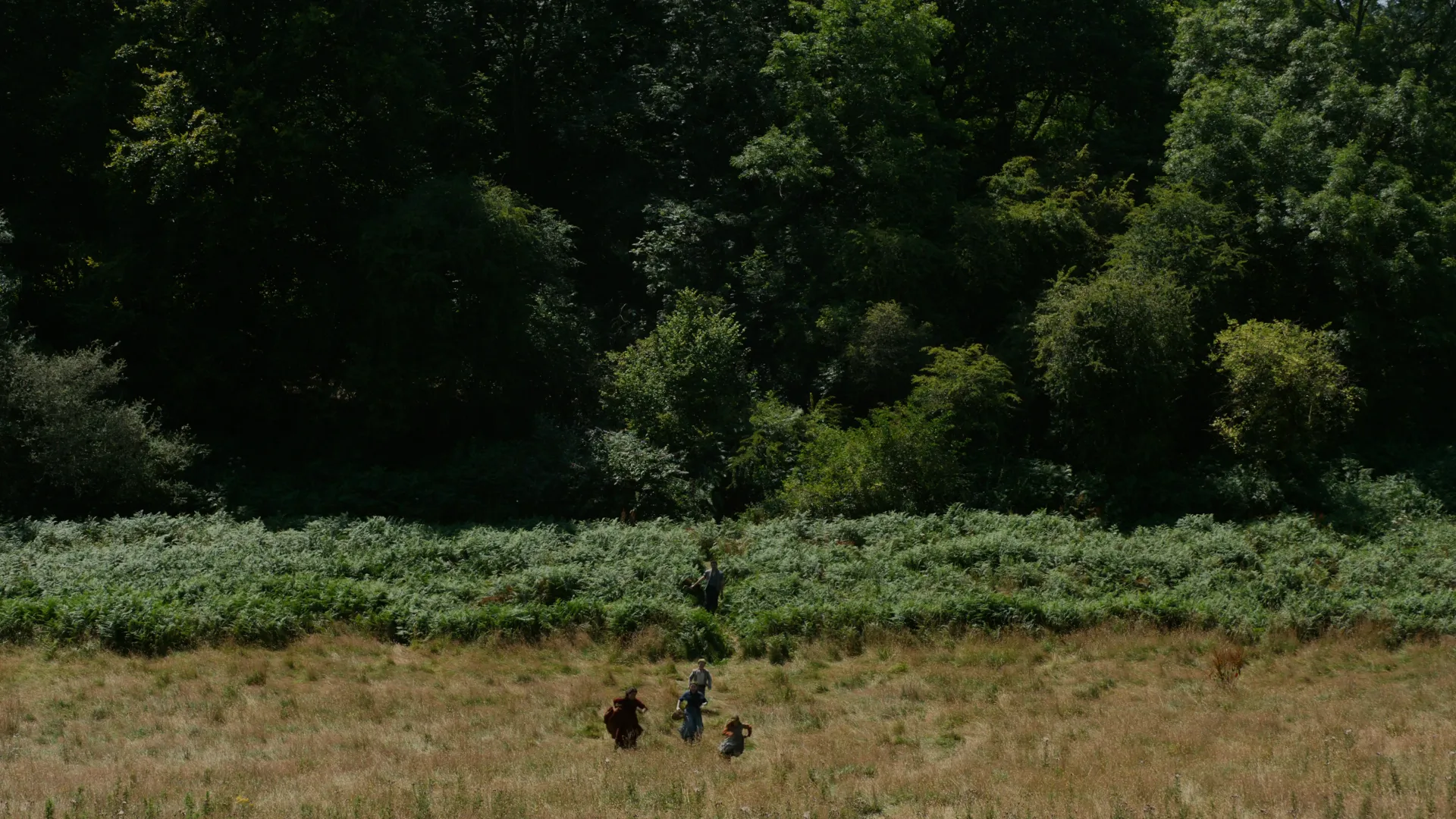
There's one thread the daytime coverage can't hold, and it's the film's moral center. At night, the image flips to a glowing negative — a young girl moving through the fields, hiding apples in the dirt where prisoners will find them by day. Those scenes were shot on a thermal imaging camera, a military FLIR unit sourced through ARRI Rental and taken apart to behave the way Glazer needed, since it reads heat rather than light.
The girl was real. She was Aleksandra Bystroń-Kołodziejczyk, a local Polish girl who was twelve during the war and who Glazer met while researching the film; the picture is dedicated to her. It's a deliberate inversion — Hedwig Höss lives in bright, ordinary daylight, and the one genuinely good act in the film can only be seen through a camera built to find warmth in total darkness. The technology stops being a gimmick and becomes the thesis.
What this leaves you with
Most cinematography persuades you to look. The Zone of Interest cinematography persuades you to notice what you're not being shown — and it gets there through a rig most productions would call insane: no lights, no operators, cameras in the walls, a director watching a house on ten monitors like a landlord who suspects a crime. You don't have to shoot that way. But the underlying move — decide what the frame withholds before you decide what it reveals — is available on any budget.
Getting there starts with knowing exactly which references you're reacting to, and which you're reacting against. That's what a visual reference library built before you shoot is for: pulling the frames that define your film's restraint, side by side, so the whole crew is looking away from the same thing on purpose.
How did you like this article?
Login to react to this article
Discussion (0)
💬 No comments yet. Be the first to share your thoughts!