How to Build a Director's Lookbook That Actually Sells Your Vision
The producer isn't reading your pages — they're flipping them. The best lookbooks win in that half-minute by making a case, not a mood.

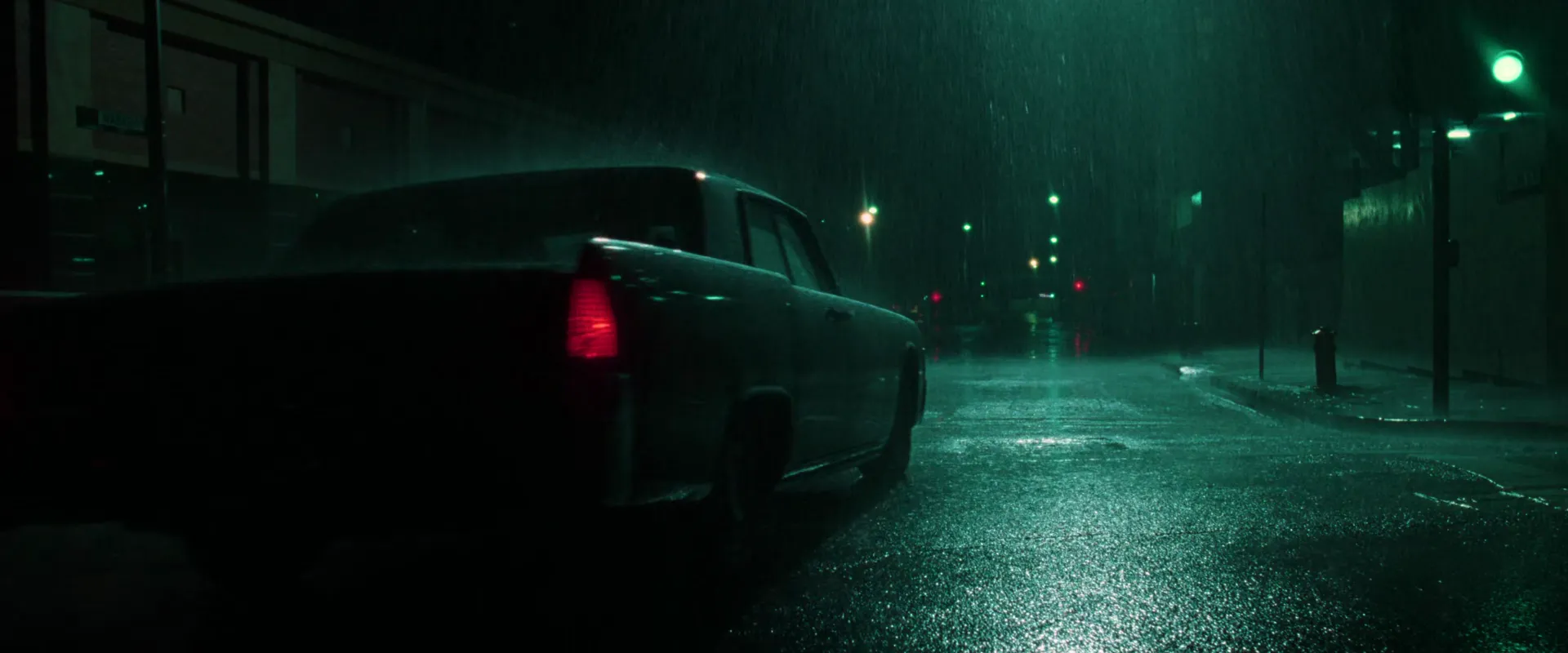
Ten minutes into the meeting, the producer stops listening to your logline and starts flipping. Not reading — flipping. Whatever your pages do in those thirty seconds of thumb-scrolling is the pitch, because that's the version that ends up screenshotted and forwarded to the person who actually signs the check.
A director's lookbook is the document that has to survive that moment. Not a mood board you pinned for your own benefit, but an argument — sequenced so a stranger reads your intended tone, palette, and camera language in a single pass and comes away seeing the film the way you already do.
A lookbook is an argument, not a mood board
These two things get collapsed into one, and it costs directors jobs. A mood board is how you find the look. It can be forty images with no order, contradictions included, because the only person who has to understand it is you. A lookbook is how you sell the look, and it has exactly one job: make a claim about how this film looks and moves, then back that claim with references chosen so tightly it feels inevitable.
Treat the lookbook like a bigger, prettier mood board and you tell a financier the one thing you can't afford to: that you haven't decided anything yet. Every loose image is a question you're handing them instead of answering.
Make the palette legible in one glance
The fastest thing anyone clocks is color. Before a reader parses a single caption, they've already absorbed whether your film runs warm or cold, saturated or bled-out. Use that reflex instead of fighting it.
Lead your palette section with references that agree with each other — not your ten favorite frames, the three that share a temperature. A director's lookbook that jumps from a sun-warmed kitchen to a neon alley to a grey courtroom across three pages hasn't shown range; it's shown that the look is still up for grabs. If you're deliberately building tension between two palettes, say so on the page and show the two blocks separately, the way a good breakdown of orange-and-teal grading and when it's worth breaking treats contrast as a choice rather than an accident. Contrast is a decision you present, not a mess you leave for them to sort out.
Show camera language without a single storyboard
You can carry how the camera behaves entirely through stills, and you should, because a producer isn't going to read a shot list at this stage. Pick frames where the framing itself is the statement: are we wide and locked-off, dwarfing people inside the geography, or are we handheld and pressed into a face?
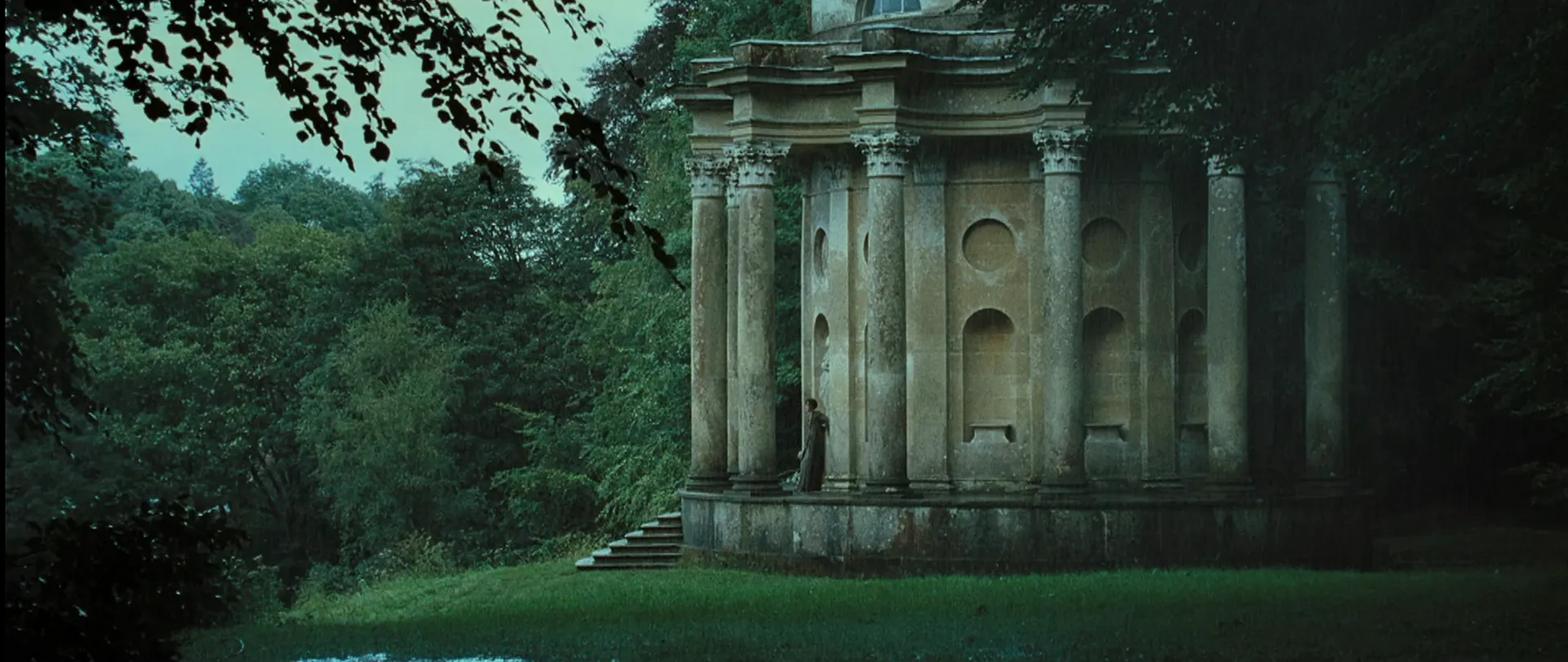
A frame like that says distance before you've written a word about lenses. The reader should come away feeling the grammar of the film — how close you get, how still you hold, where you make the eye travel. That's the part a lookbook can do that a synopsis never will, and it's why the visual language belongs here and the technical execution belongs in the shot list or storyboard where each one actually earns its place.
Sequence it so it plays like a trailer
Order is the argument. Filmmaker Magazine's reporting on how directors actually cut their lookbooks keeps landing on the same note from people who read hundreds of these: it has to be tight, it has to play like a trailer, and it has to stay visual even on paper. Open on your single strongest tonal statement. Build. Don't bury the thesis on page twelve where the reader has already stopped flipping.
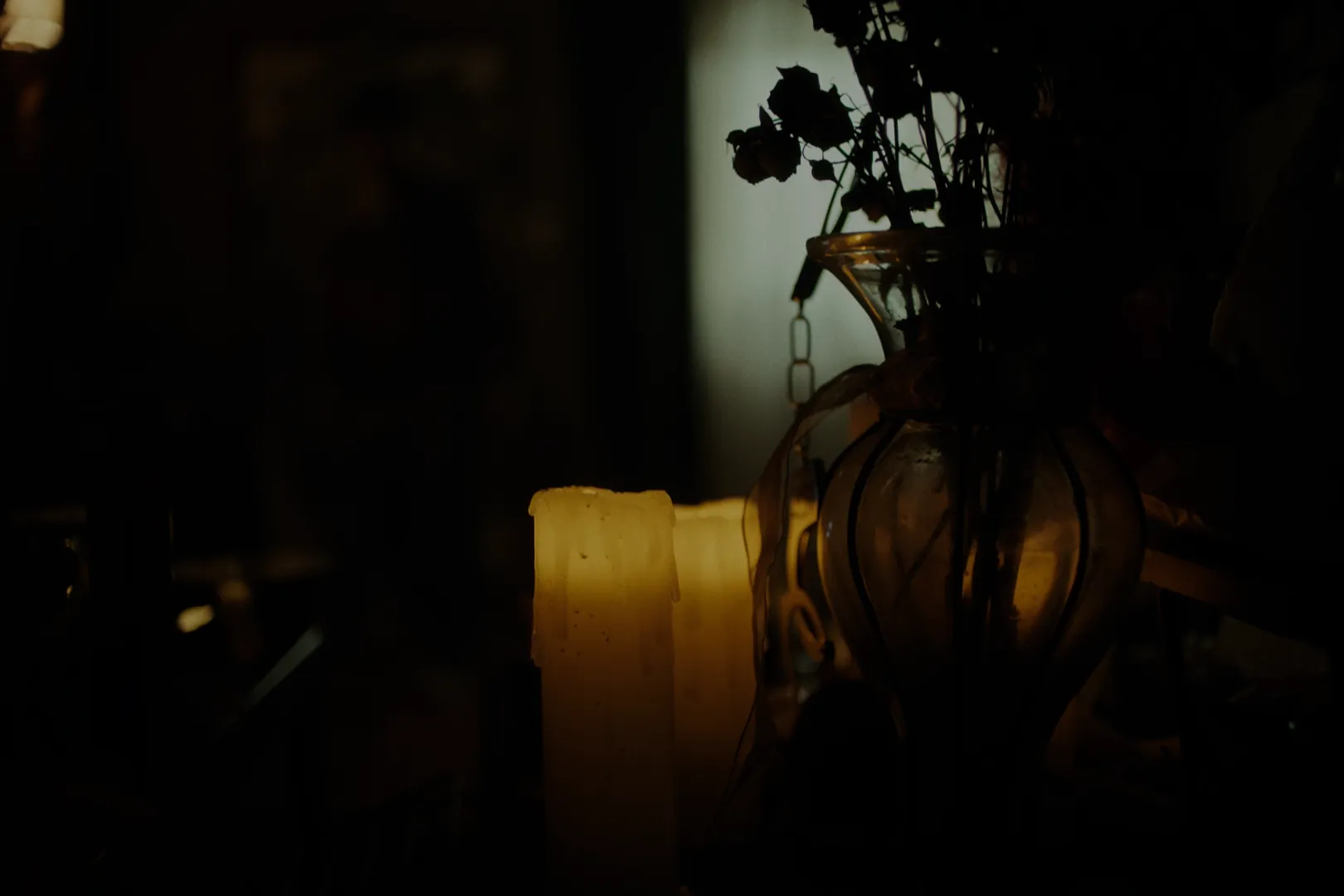
Text annotates; it doesn't explain. One line of intent under an image — the light always comes from a practical source — does more than a paragraph justifying it. If a page needs a paragraph to make sense, the image on it isn't pulling its weight, and one frame that carries the whole temperature of a scene is worth more than five that gesture at it.
Learn from the ones that landed the job
Reed Morano was told she wouldn't even get to pitch on The Handmaid's Tale — Hulu was chasing a bigger, established male director. When she heard Elisabeth Moss was attached, she pushed in anyway, got a few days' notice, and spent them building a 72-page pitch document stuffed with photographs, film stills, and a matching playlist that spelled out the appearance, sound, and emotional feel of the show. She got the job, then an Emmy nomination for directing it.
The first-time feature directors of Cooties, the duo behind the commercial shop HONEST, made the same bet from the other end of the budget. They spent two months on a look book packed with images, drawings, and diagrams — packaged in Trapperkeeper binders as a nod to the film's schoolyard setting, with Gremlins cited as the touchstone for the horror-comedy balance. That book, they've said, is what let the producers and writers climb inside their vision far enough to hand two unproven directors a feature.
Neither won on polish. They won on specificity — every page removed a question the room would otherwise have asked.
Where the lookbook lives after the pitch
The document doesn't die when the money closes. The same pages become the shared reference the DP, production designer, and colorist all work from — the single picture of the film everyone can point at when a decision gets argued. That only holds if the references were real and organized, not screenshots grabbed off Google Images at two in the morning that no one can source three months later.
This is where pulling from a searchable library of actual film frames instead of a scattered folder of screenshots stops being a convenience and starts being the difference between a lookbook that survives production and one that falls apart the first time someone asks where's that from. You find the exact tonal or compositional reference, keep it beside the shot it maps to, and hand the same visual language straight to the crew.
The lookbook that sells your vision is the one that already knows what the film is. Build it like you've decided — because across the table, that decision is the only thing they're buying.
How did you like this article?
Login to react to this article
Discussion (0)
💬 No comments yet. Be the first to share your thoughts!