Autumn Durald Arkapaw: The DP Who Broke Cinematography's 98-Year Barrier
A decade of anamorphic devotion and available light — from Gia Coppola's Palo Alto to a 65-pound IMAX rig in the Mississippi Delta.

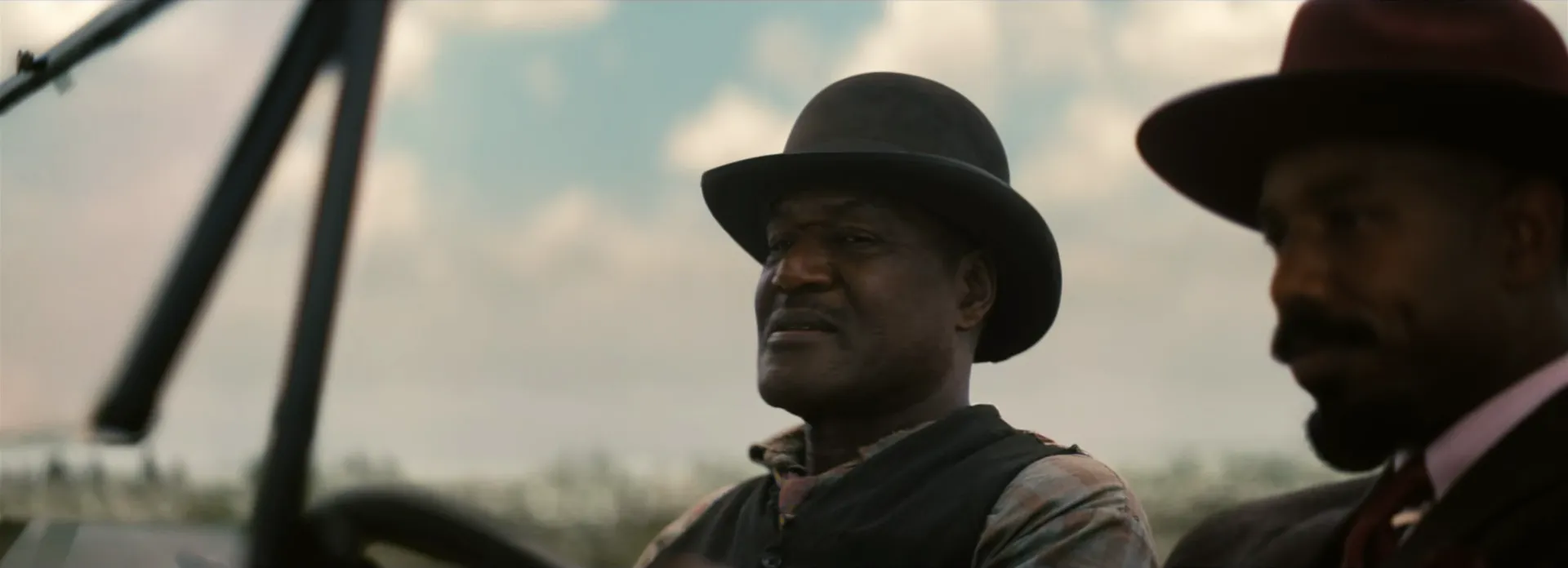
The headline wrote itself on Oscar night: first woman ever to win Best Cinematography, ninety-eight years into the Academy's history. But if you'd been paying attention to Autumn Durald Arkapaw cinematography for the past decade, the win for Sinners felt less like a sudden breakthrough and more like a verdict the industry finally got around to reading. The trophy was overdue. The eye behind it had been fully formed for years.
She's the first woman to take the category, and the first Black cinematographer to win it — three names had been nominated before her and gone home empty: Rachel Morrison for Mudbound, Ari Wegner for The Power of the Dog, Mandy Walker for Elvis. From the stage she asked every woman in the room to stand up, and named Ellen Kuras and Rachel Morrison as the ones who cleared the path. It was a generous read of a moment that was really about her own consistency.
The anamorphic habit she never grew out of
Go back to Palo Alto in 2013 — Gia Coppola's first feature, and one of Arkapaw's. When she was figuring out what she wanted her images to feel like, she reverse-engineered it: she looked up the formats her favorite films were shot on and kept landing on anamorphic. So that's where she started, and she never really left. That teenage-suburbia haze in Palo Alto — soft, a little blown-out, romantic without being precious — is the seed of everything that came later.
The Coppola partnership is the spine of her career. They've been working together since 2011, through Mainstream and then The Last Showgirl in 2024, where they shot 16mm, mostly handheld, leaning on available light and custom anamorphic glass to get that grainy, unguarded texture around Pamela Anderson. When two people have shot that many frames together, the shorthand does half the work. That's not a small thing to build.
Scale without losing the skin
The leap most DPs never manage is going big without going cold. Black Panther: Wakanda Forever was Arkapaw's first real test of it — a tentpole for Ryan Coogler, shot on the Sony Venice in 6K with detuned Panavision anamorphics reworked by Dan Sasaki. Coogler wanted the whole film to carry the texture of grief, and told her grief can feel like a dream. So the movie is enormous and still soft-edged, still intimate in the close-ups. The scale never eats the faces.
If you want to see how deliberate that anamorphic instinct is, it's worth understanding what anamorphic glass actually does to a frame versus a clean spherical look — because Arkapaw makes the choice on purpose, every time, not out of habit.
Sinners: the whole vocabulary in one film
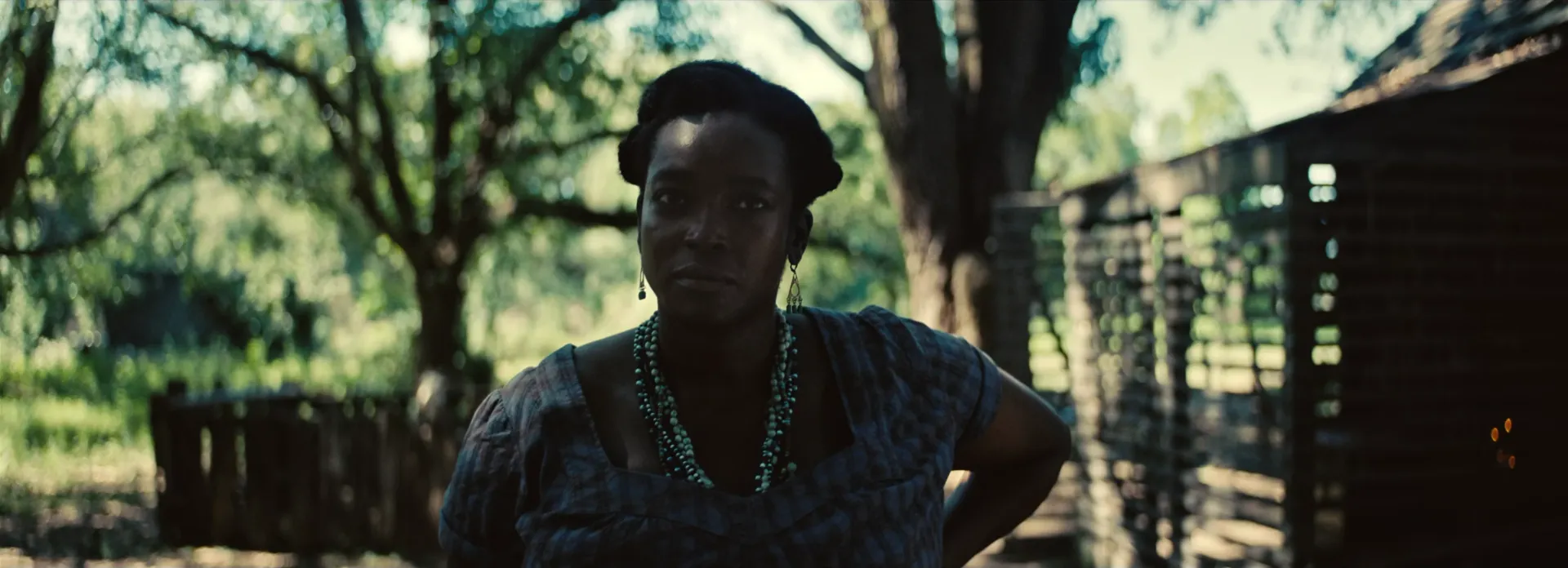
Then came the Delta. Sinners is the film where every instinct she'd been sharpening finally had room to run. She shot it as the first feature to combine two large formats in one movie — IMAX 65mm at the tall 1.43:1 and Ultra Panavision 70 at the wide 2.76:1 — and she became the first woman to shoot large-format IMAX at all. For long stretches she operated the roughly 65-pound camera herself. That's not a trivia-line flex; it's why the handheld work has her fingerprints on it and not an operator's.
The look ties the whole résumé together. Daylight exteriors carry that same sun-through-the-trees glow she's chased since Palo Alto — luminous, a touch bleached, never sterile. The faces stay warm and legible even when she's shooting into a hard sky. This is the payoff of a decade of the same conviction, not a new trick learned for awards season.
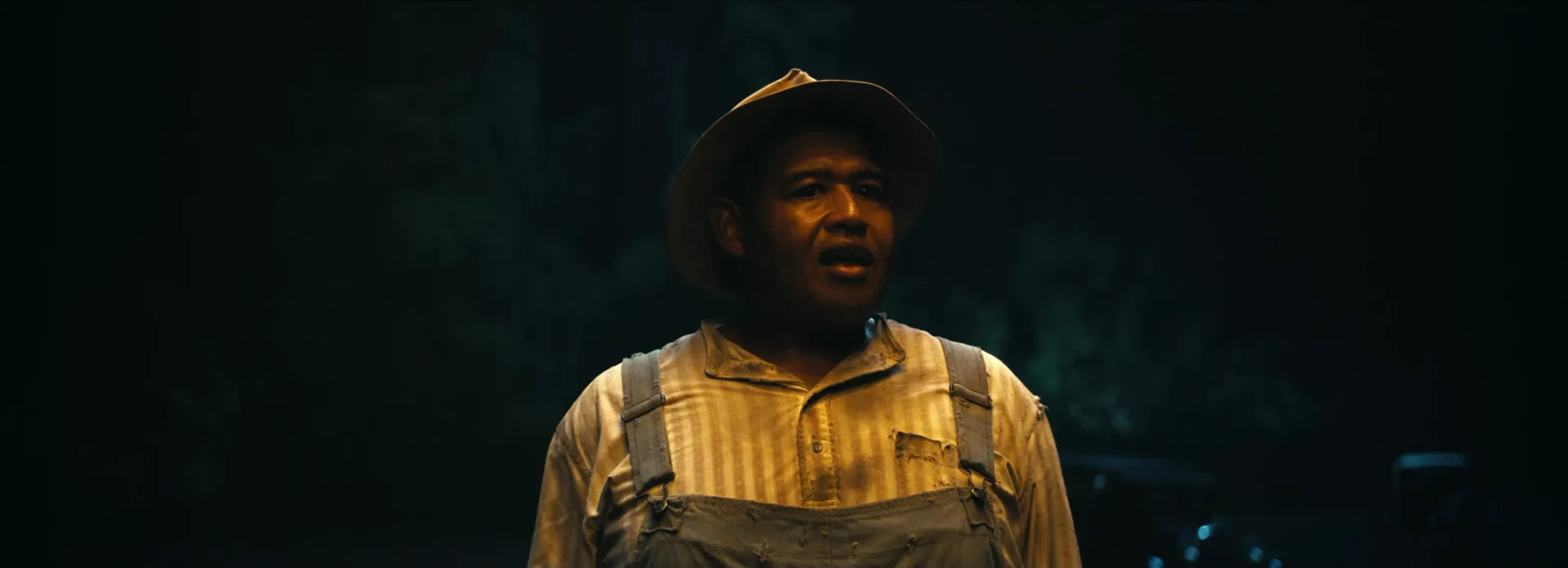
Where it gets loud is at night, in the juke joint. She swings from that milky daylight to deep, warm low-key — a single practical source doing the modeling, everything around it falling off into black. Same photographer, opposite register. The range inside one film is the argument. If you want the nuts and bolts of how those two formats coexist in a single cut, we broke down how Sinners stitches IMAX and Ultra Panavision 70 together elsewhere — this piece is about the person swinging between them.
What it means for the rest of us
The lesson in Arkapaw's rise isn't "shoot IMAX." Most of us never will. It's that she built a look and defended it across budgets that ranged from a Coppola indie to a Marvel tentpole to an original studio swing, and the through-line held. Anamorphic. Available light where she can get it. Faces you can read. Wide when the story earns it. When the biggest job of her life arrived, she didn't reinvent — she scaled up what she already believed.
That consistency is the whole game, and it starts long before a camera turns over. The DPs who own a look are the ones who study one obsessively — pulling frames, comparing lighting, tracking how a filmmaker treats a face across an entire career. That's exactly the work a visual reference library is built for: collecting the frames that define an eye like Arkapaw's so you can figure out what yours is going to be.
How did you like this article?
Login to react to this article
Discussion (0)
💬 No comments yet. Be the first to share your thoughts!